Early Warning Signs of an Electrical Fire Hidden Inside Your Home
Electrical fires rarely start with flames. Warning signs usually appear weeks or months earlier, quietly developing behind walls, inside panels, or at everyday outlets. Homeowners often miss these signals because electricity feels invisible and reliable, right up until it is not. Modern homes pull more power than ever before, and aging systems, rushed renovations, or overlooked maintenance can push wiring past safe limits.
A licensed electrician sees these patterns repeatedly during inspections and emergency calls. Many electrical fires are preventable when early symptoms are recognized and addressed correctly. Understanding these warning signs helps protect your home, your family, and your investment. Early in this article, it is worth noting that professional electrical inspections and repairs, like those offered by A Good Electrician, help identify and correct these issues before they escalate, though this article remains focused on education rather than promotion.
Why Electrical Fires Still Happen in Modern Homes
Electrical codes have improved significantly, yet electrical fires remain a leading cause of residential property damage. The issue often lies in older wiring interacting with modern electrical demand. Homes built decades ago were not designed for today’s appliances, charging stations, smart devices, and high-powered HVAC systems.
Improper upgrades also play a role. A new appliance may get installed without upgrading the circuit that feeds it. A basement renovation might hide junction boxes behind drywall. DIY repairs can introduce loose connections or mismatched components that quietly overheat during everyday use.
Heat is the real enemy. Electrical fires usually begin with excess heat caused by resistance, arcing, or overloaded conductors. Recognizing how that heat shows itself gives homeowners a critical advantage.
Persistent Burning or Chemical Smells
One of the earliest and most common warning signs is an unusual smell. Electrical fires often start with insulation breakdown rather than open flames. When wire insulation overheats, it releases a sharp, acrid odor that many people describe as burning plastic or melting rubber.
These smells may appear intermittently, especially when certain appliances run or when multiple devices draw power at once. A faint odor that comes and goes should never be ignored. Electrical components can heat up and cool down repeatedly before a fire occurs, creating brief odor events that disappear before smoke becomes visible.
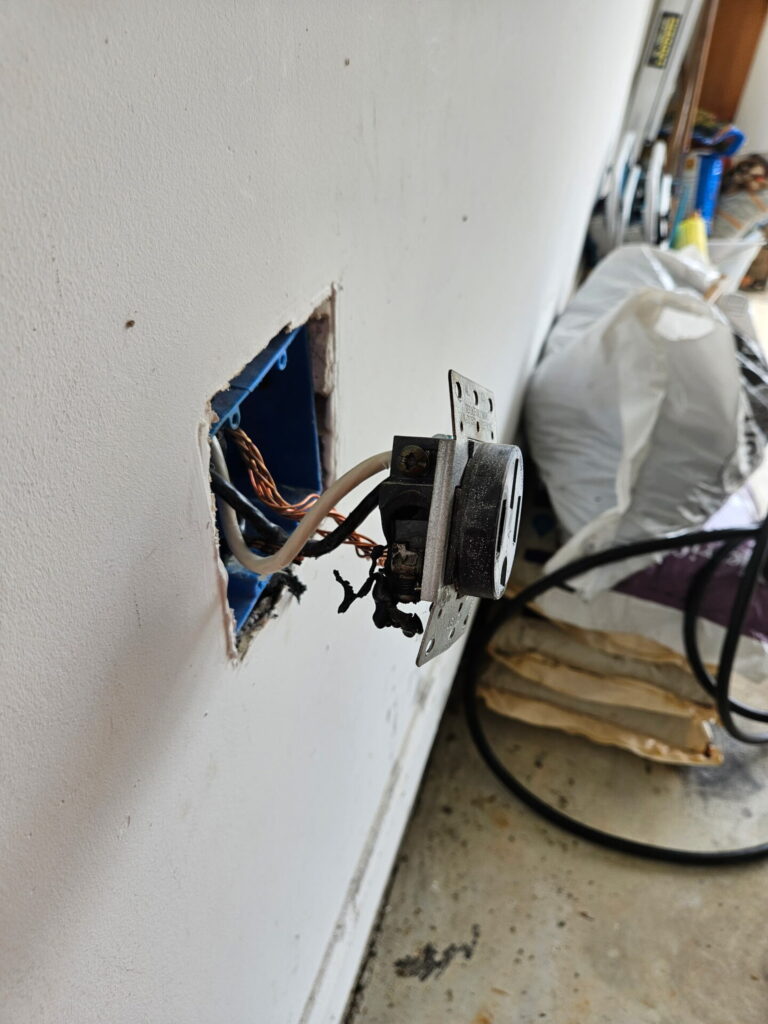
Odors near outlets, switches, breaker panels, or light fixtures deserve immediate attention. At this stage, power should be turned off to the affected area if possible, and a trained electrician should inspect the system. Electrical troubleshooting and repairs should always be performed by licensed professionals due to shock and fire risk.
Discolored or Warm Outlets and Switch Plates
Outlets and switches should never feel warm to the touch. Heat transfer to visible components indicates internal resistance or arcing. Discoloration, yellowing, or brown scorch marks around outlets and switches suggest prolonged overheating.
Plastic outlet covers may warp or feel soft when internal wiring exceeds safe temperatures. Metal plates may feel unusually hot. These conditions often result from loose connections, worn receptacles, or circuits carrying more current than designed.
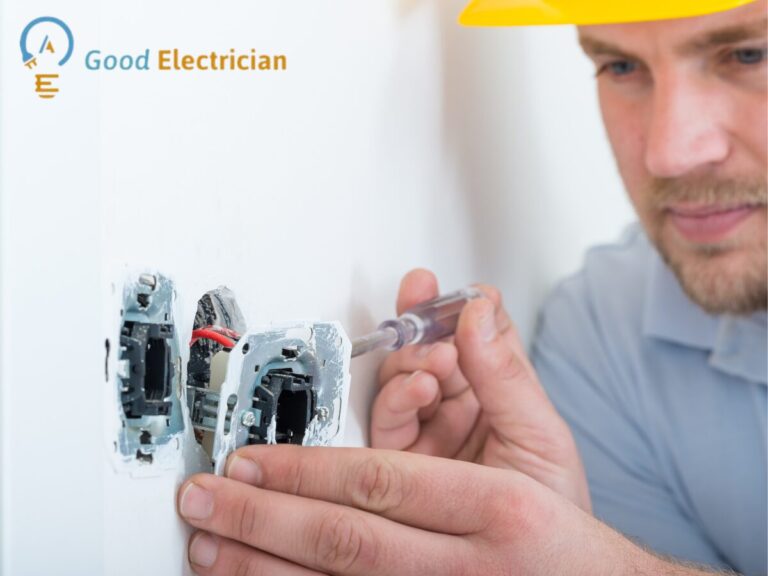
This issue frequently appears behind furniture where outlets go unchecked for long periods. High-use outlets powering space heaters, window air conditioners, or entertainment centers are common problem areas. Replacement or rewiring work should be handled by trained electricians who can verify circuit load, wiring integrity, and proper grounding.
Frequent Tripping Breakers or Blown Fuses
Circuit breakers exist to shut off power when unsafe conditions arise. Occasional tripping during extreme load conditions can happen, yet frequent or unexplained tripping signals an underlying problem.
Repeated breaker trips may indicate overloaded circuits, short circuits, or ground faults. Each of these conditions generates heat and stress on wiring. Ignoring frequent trips or resetting breakers without investigation allows damage to accumulate.
Older homes with fuse boxes face similar risks. Oversized fuses or makeshift fixes bypass built-in safety mechanisms and dramatically increase fire risk. Any breaker or fuse issue requires professional evaluation, as panel work involves high-voltage exposure and arc flash hazards best handled by licensed electricians.
Flickering, Dimming, or Inconsistent Lighting
Lights that flicker or dim during normal appliance operation often point to wiring issues rather than fixture problems. Voltage fluctuations can stem from loose neutral connections, overloaded circuits, or deteriorating wiring.
Dimming when large appliances start may indicate insufficient circuit capacity. Flickering lights that change when switches are touched or when fixtures warm up suggest loose internal connections. These conditions can produce arcing, which generates extreme localized heat capable of igniting surrounding materials.
Lighting circuit repairs, rewiring, or panel upgrades should always be performed by qualified professionals to ensure compliance with current electrical safety standards.
Buzzing, Crackling, or Popping Sounds
Electrical systems should operate silently. Audible sounds from outlets, switches, or panels indicate electricity jumping across gaps rather than flowing smoothly through conductors. This phenomenon, known as arcing, creates intense heat and sparks that can ignite insulation or nearby materials.
Buzzing noises may come from loose terminals or failing breakers. Crackling sounds often occur when insulation has deteriorated, allowing current leakage. Popping sounds can signal sudden arcs under load.
These noises sometimes occur only when devices are plugged in or when lighting circuits are activated. Any audible electrical sound warrants immediate attention and professional diagnosis.
Outdated or Damaged Wiring Materials
Certain wiring types carry higher fire risks due to age or material limitations. Aluminum branch wiring, common in homes built during the 1960s and 1970s, expands and contracts more than copper, increasing the likelihood of loose connections and overheating.
Cloth-insulated wiring, knob-and-tube systems, and early plastic insulation can degrade over time. Exposure to heat, pests, or moisture accelerates deterioration. Cracked insulation or exposed conductors significantly raise fire risk.
Upgrading or repairing wiring systems involves opening walls, working inside panels, and ensuring proper grounding. These tasks should always be performed by licensed electricians with experience in older systems and modern code requirements.
Overuse of Extension Cords and Power Strips
Extension cords and power strips are designed for temporary use, yet many homes rely on them permanently. Overloaded cords trap heat, especially when run under rugs, behind furniture, or through walls. This heat buildup can melt insulation and ignite surrounding materials.
Power strips without surge protection or with worn internal contacts add another layer of risk. Daisy-chaining multiple strips multiplies current draw beyond safe limits.
Installing additional outlets or dedicated circuits is a safer long-term solution. Electrical installations and circuit expansions should be completed by trained professionals who can size wiring correctly and verify load calculations.
Aging Electrical Panels and Unsafe Modifications
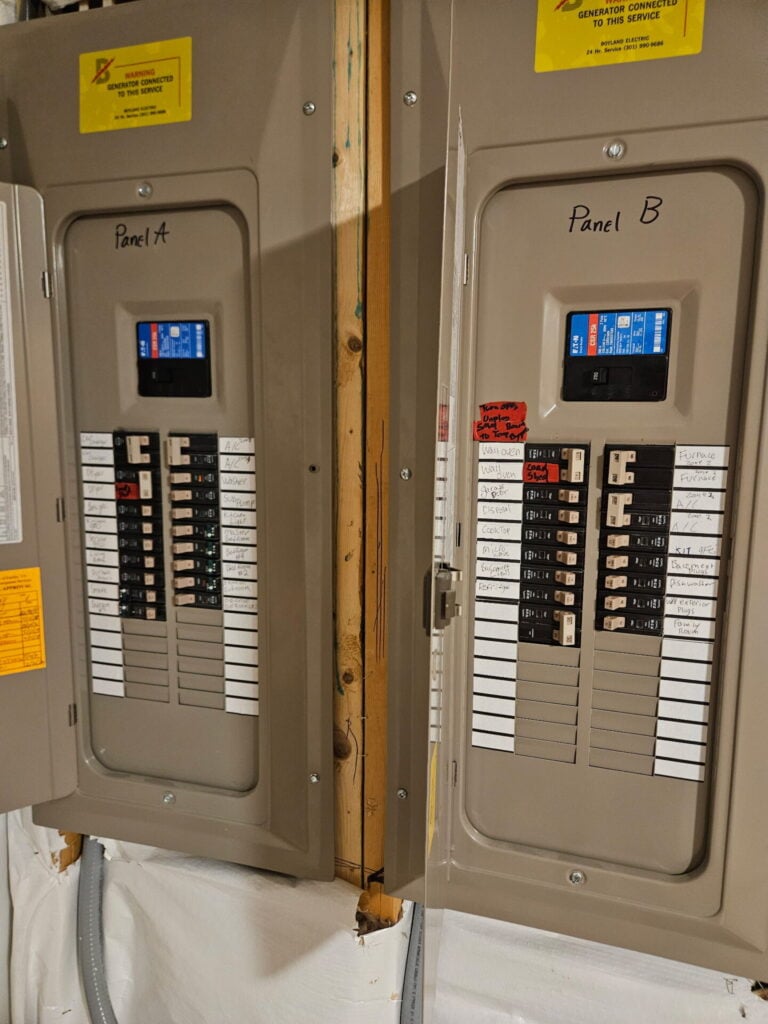
Electrical panels serve as the control center of the home’s power system. Panels beyond their intended lifespan may lack modern safety features and struggle to handle current electrical demand. Signs of panel trouble include corrosion, rust, loose breakers, or visible burn marks.
Unauthorized modifications pose even greater danger. Double-tapped breakers, mixed wire gauges, or bypassed safety mechanisms compromise the entire system. These issues often go unnoticed until failure occurs.
Panel inspections, upgrades, and repairs involve significant electrical hazards and should only be handled by licensed electricians using proper safety procedures.
GFCI and AFCI Protection Gaps
Modern electrical codes require ground-fault circuit interrupters and arc-fault circuit interrupters in specific areas of the home. These devices detect dangerous conditions that traditional breakers may miss.
Homes lacking proper GFCI protection near kitchens, bathrooms, garages, or outdoor outlets face higher shock and fire risks. AFCI protection helps prevent fires caused by arcing faults in wiring hidden behind walls.
Retrofitting these safety devices improves fire prevention significantly. Installation and testing should be completed by trained professionals to ensure correct placement and reliable operation.
Smoke, Soot, or Charred Surfaces
Visible smoke or soot near electrical components indicates advanced overheating or combustion. Charred wood, insulation, or drywall around outlets and panels confirms prolonged exposure to high temperatures.
At this stage, immediate action is required. Power should be shut off at the main disconnect if safe to do so, and emergency services may be necessary if active burning is suspected. Professional electricians must inspect and repair the system before power is restored.
Repairs following fire damage often involve replacing wiring, devices, and affected structural materials. These tasks require professional expertise to restore safety and code compliance.
How Prevention Starts with Awareness
Electrical fires rarely happen without warning. Subtle signs accumulate over time, offering opportunities to intervene before disaster strikes. Paying attention to smells, sounds, heat, and performance changes transforms homeowners from passive occupants into informed guardians of their electrical systems.
Regular inspections, responsible electrical use, and prompt response to warning signs dramatically reduce fire risk. Electrical systems operate safely when designed, installed, and maintained correctly. Whenever repairs, upgrades, or installations are required, trained electricians provide the expertise and protection needed to keep homes safe for years to come.
Recognizing the warning signs of an electrical fire is not about fear. It is about awareness, informed decisions, and respecting the power running through every wall of the home.