Is Your Electrical Panel Safe? Warning Signs and Repair Solutions
Electric panels rarely get the attention they deserve, yet they’re one of the most important parts of your home’s electrical system. Every outlet, switch, light fixture, and appliance ultimately ties back to that panel. If it’s outdated, overloaded, or damaged, it’s more than just an inconvenience—it’s a real safety risk. Electrical fires, tripped breakers, and even complete power loss often start at the panel.
At A Good Electrician LLC, we’ve seen firsthand how small issues can quickly become big hazards when ignored. Whether you’re dealing with flickering lights, buzzing sounds, or a panel that’s decades old, knowing when to take action is critical. Below, we’ll cover what makes a panel unsafe, the signs you should never overlook, and what repair or replacement options are available.
Why the Electrical Panel Matters
Think of the electrical panel as the command center of your home’s power supply. Electricity comes into your home through the utility connection, and the panel distributes it safely to different circuits. Circuit breakers act as safeguards, shutting off power when too much current flows through a wire. This prevents overheating, melted insulation, and fires.

When panels age or are pushed beyond their limits, those safeguards don’t always work properly. A breaker that fails to trip at the right time can leave wires carrying unsafe loads. That’s when overheating inside walls or even at the panel itself becomes a real danger. Modern panels are designed to handle the high electrical demand of today’s households, but older units often can’t keep up with multiple appliances, EV chargers, or heavy HVAC systems running at once.
Warning Signs Your Electrical Panel May Be Unsafe
Homeowners often overlook early red flags until they escalate. If you notice any of the following, your panel deserves immediate attention:
Frequent Breaker Trips
Occasional trips can happen, especially if too many devices are plugged into one circuit. But if a breaker is shutting off regularly, it might be due to a deeper issue. Repeated trips can indicate overloaded circuits, faulty breakers, or even failing wiring behind the panel.
Buzzing or Crackling Sounds
Electricity should be silent. If you hear buzzing, sizzling, or popping sounds coming from the panel, that means connections might be loose or arcing could be occurring. Arcing is extremely dangerous—it’s when electricity jumps between conductors, generating intense heat that can ignite nearby materials.
Burn Marks, Heat, or Smell of Burning
Panels should never be warm to the touch. Heat buildup points to a breaker not functioning correctly or connections overheating. Visible scorch marks around breakers or a burnt smell from the panel are strong warnings that something is seriously wrong.
Dimming or Flickering Lights
If lights dim when you turn on an appliance, the system might be struggling to distribute power evenly. This often signals that the panel is at capacity or wiring is deteriorating.
Outdated or Recalled Panels
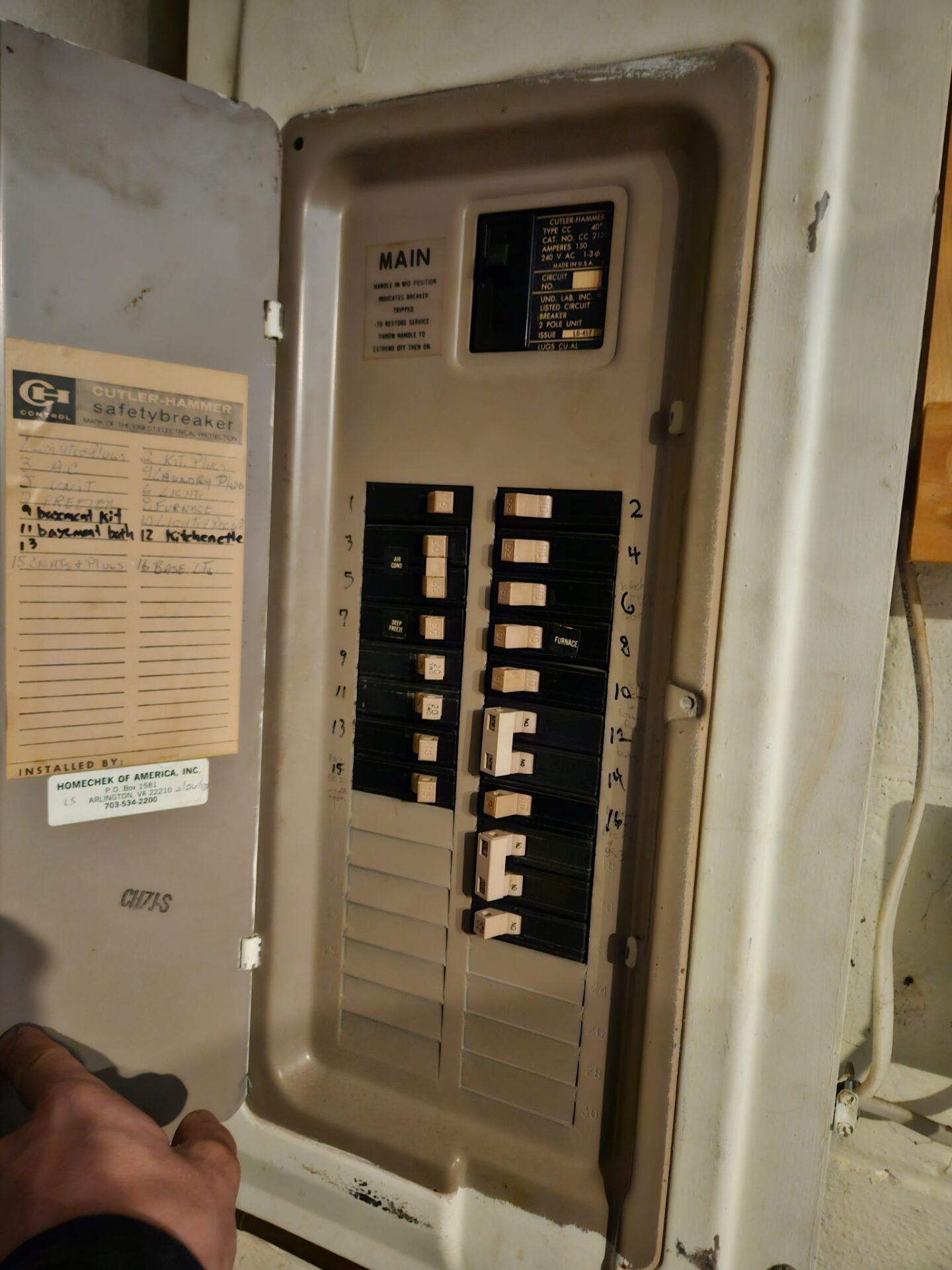
Many homes still run on electrical panels installed decades ago, including certain brands like Federal Pacific Electric (FPE) and Zinsco. These panels are well-documented for failing to trip when they should, making them high fire risks. If your home has one of these, replacement should be considered a priority.
Common Causes of Panel Problems
Understanding why panels fail helps explain why repairs or upgrades are so important.
Age and Wear
Panels typically last 25 to 40 years. Over time, metal parts corrode, insulation breaks down, and breakers weaken. An older panel simply wasn’t designed to keep up with modern electrical usage.
Overloaded Circuits
Today’s homes often run on more power-hungry appliances than older panels can support. Adding things like hot tubs, electric dryers, or an EV charger can push the system past its safe limit.
Faulty Installation or DIY Work
Improper wiring practices—such as double-tapped breakers, undersized wires, or overcrowded circuits—are a major source of panel hazards. While homeowners may attempt small fixes, electrical work should be performed by licensed electricians to ensure it meets safety codes.
Moisture or Environmental Damage
Panels installed in basements, garages, or outdoor enclosures can be exposed to moisture and humidity. Water intrusion accelerates corrosion and can cause short circuits.
Repair Options: When a Panel Doesn’t Need Full Replacement
Not every issue requires an entirely new panel. Sometimes targeted repairs can restore safety and extend panel life.
Breaker Replacement
A single faulty breaker can cause repeated trips or fail to protect a circuit. Replacing that breaker may resolve the issue if the rest of the panel is in good condition.
Tightening Connections and Cleaning
Loose connections or corrosion at breaker terminals can cause overheating and arcing. A professional electrician can shut off power, tighten connections, and clean components.
Adding Subpanels
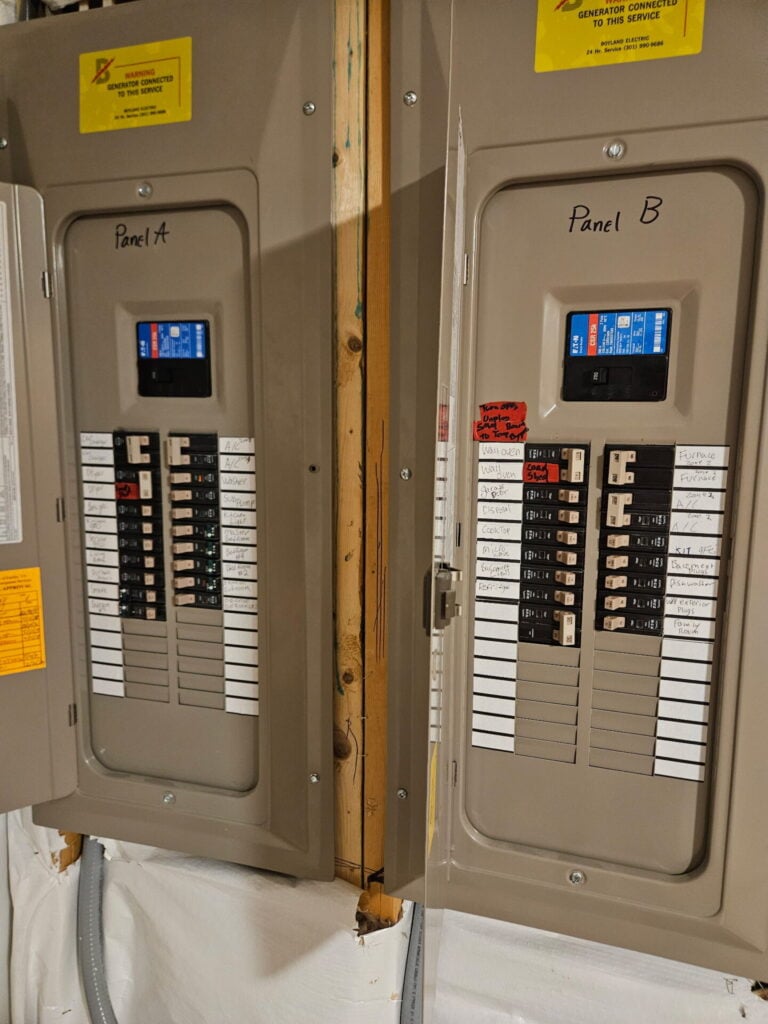
If the panel is in fair condition but simply running out of space, a subpanel can be installed to handle extra circuits. This is often done when adding large appliances or home additions.
Disclaimer: These solutions involve working inside a live electrical system. Repairs should always be performed by trained electricians—not as DIY projects.
When Replacement Is the Only Safe Choice
There are times when patchwork repairs aren’t enough. In these cases, replacing the entire panel is the safest route.
Panels That Are Too Old
If your panel is 30–40 years old, upgrading is often more cost-effective than repeated repairs. Newer panels are designed with higher safety standards and can handle today’s electrical demands.
Recalled or Unsafe Panels
Federal Pacific Electric and Zinsco panels are well known in the industry for their failures. If you have one, replacement is strongly recommended.
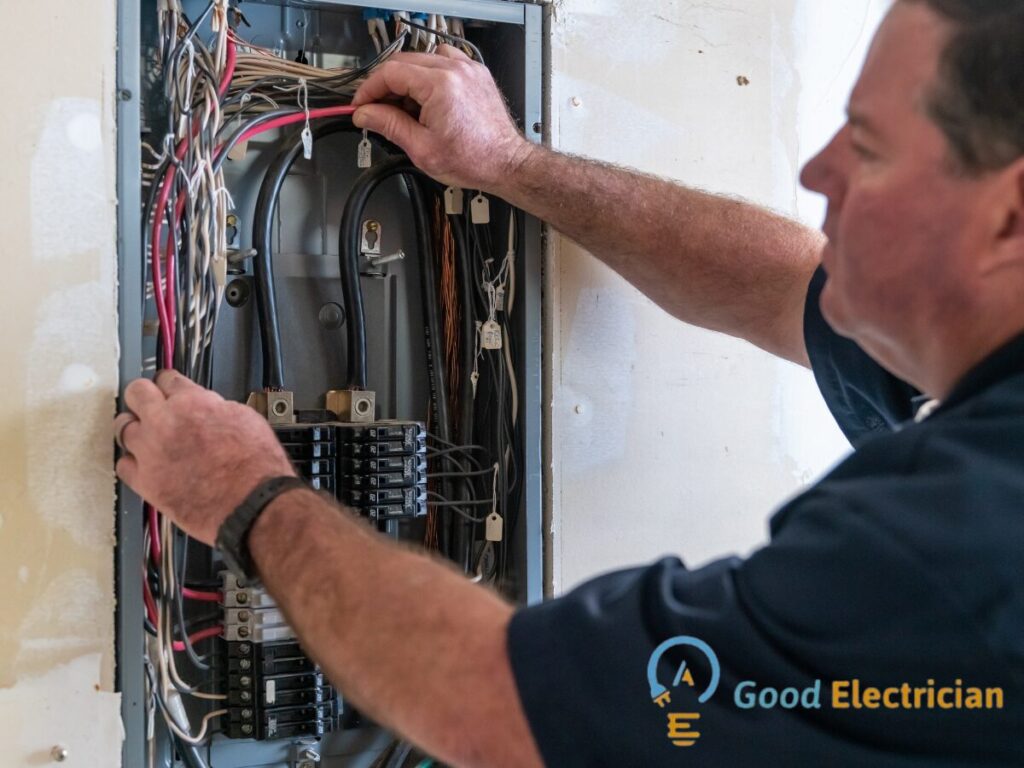
Persistent Overheating or Damage
When scorch marks, melted wiring, or widespread corrosion are present, the panel can no longer reliably protect your home.
Major Home Upgrades
If you’re renovating, adding central AC, or installing an EV charger, you’ll likely need a larger panel. Upgrades to 200 amps are now common to support modern energy use.
Disclaimer: Panel replacement involves coordinating with utility companies, permits, and strict code compliance. Always hire a licensed electrician for this work.
Safety Benefits of an Upgraded Panel
Upgrading your electrical panel isn’t just about meeting code requirements—it directly improves home safety and convenience.
- Breakers trip properly to prevent overheating.
- Modern panels provide room for future upgrades and new circuits.
- New technology offers better surge protection and compatibility with smart home systems.
- Insurance companies may view upgraded panels as lower risk, which can sometimes reduce premiums.
Final Thoughts
An electrical panel is easy to forget about—until it starts showing signs of trouble. Ignoring those signs is risky. Fires caused by faulty panels can spread quickly, and the cost of replacement is far less than the cost of repairing fire damage. If your home has an older panel, one from a recalled brand, or it shows any of the warning signs above, it’s worth scheduling an inspection.
At the end of the day, peace of mind comes from knowing your electrical system is safe, reliable, and ready to handle your family’s daily needs.