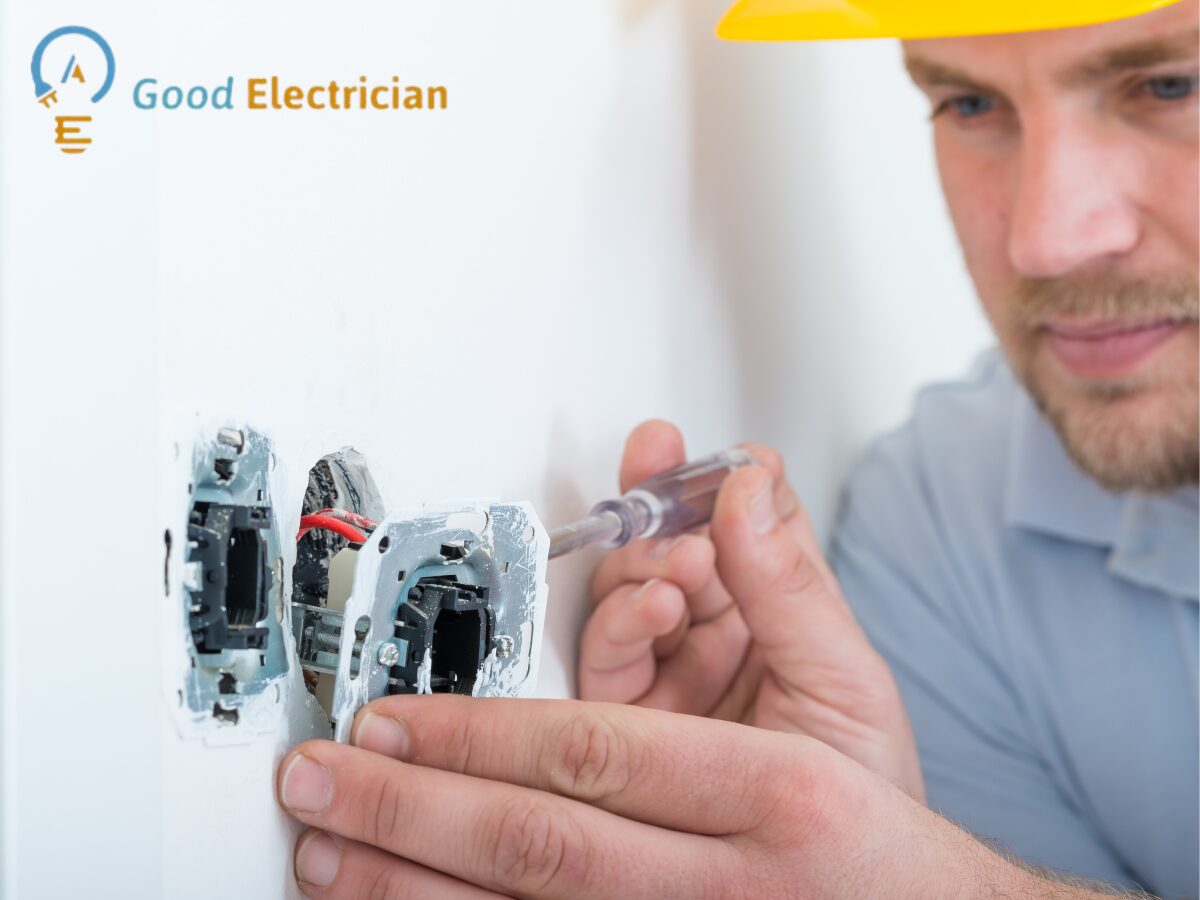
Common Causes of Sparking Outlets and What They Say About Your Home’s Wiring
A sparking outlet is more than just a small annoyance. It’s a visible warning sign that your home’s electrical system might be under stress, aging, or worse, potentially dangerous. Homeowners often brush off a quick spark as static discharge or a minor issue. The truth is, while not every spark means your wiring is about to fail, ignoring them can lead to serious electrical hazards.
If your home in Northern Virginia is experiencing frequent sparks or other odd electrical behavior, A Good Electrician can inspect your system and fix the root cause before it turns into an emergency. That said, it helps to understand why outlets spark in the first place.
The Science Behind an Outlet Spark
When you plug a device into an outlet, there’s a brief moment when the metal prongs of the plug begin to make contact with the outlet’s internal conductors. This initial contact can result in a tiny electrical arc—that flash or pop you sometimes see. Under the right conditions, that momentary arc is harmless. But repeated or intense sparks are a different story. They signal something isn’t right behind the wall.
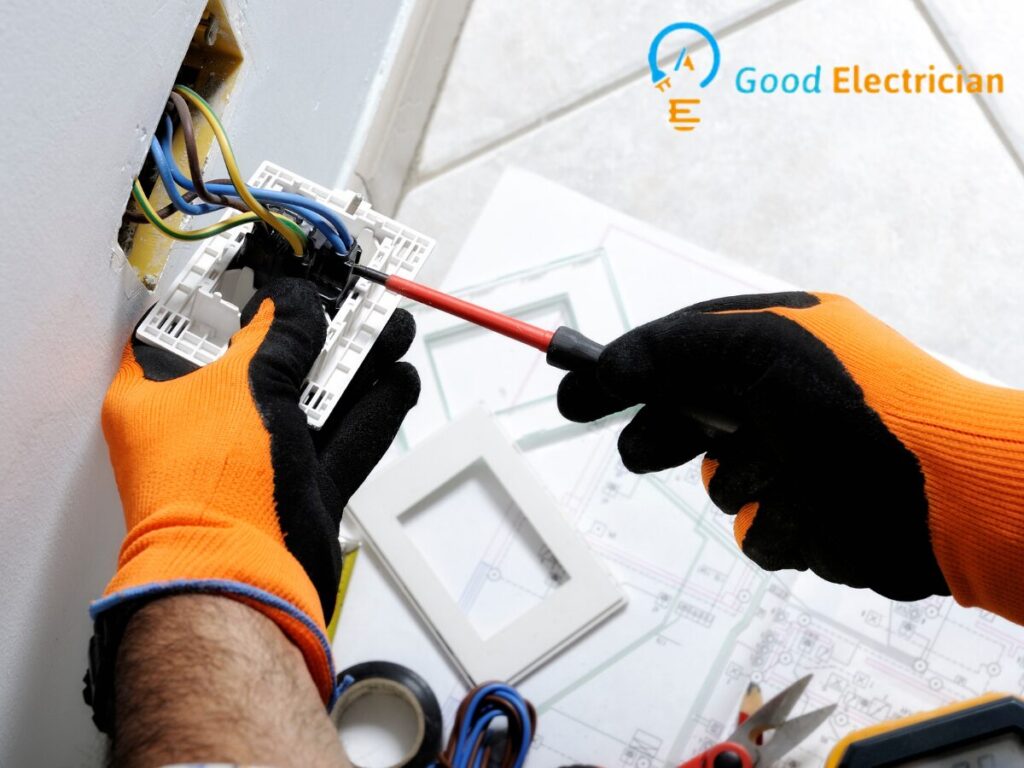
Electricity is looking for the fastest, most efficient path to complete a circuit. If there’s a problem with that path—like loose connections, aging wires, or physical damage—you might see visible sparks, hear buzzing, or smell burnt plastic. That’s when it’s time to take the issue seriously.
Loose or Worn Connections
One of the most common reasons an outlet sparks is due to loose wire connections. Over time, wiring can shift due to thermal expansion and contraction, vibrations in the house, or improper installation. If the hot wire (which carries current) isn’t firmly connected, electricity can arc across the gap.
This arcing generates heat, and repeated arcing can degrade the connection further. Eventually, this leads to charring, burnt insulation, or even fire. If your outlet looks discolored or smells burnt, it needs immediate attention.
Overloaded Circuits
In many older homes, the wiring simply wasn’t designed to support the electrical demand of modern living. High-wattage appliances, numerous electronics, and constant device charging put strain on circuits. When a circuit becomes overloaded, it can overheat. That heat can damage outlet components and wiring insulation, increasing the chance of sparking when you plug something in.
Overloaded outlets are especially dangerous in kitchens, bathrooms, or workshops where heavy equipment is common. If you hear a pop or see a spark every time you plug in a toaster or power tool, it’s likely your circuit is maxed out or wiring is failing.
Aging Electrical Systems
If your house is more than 30 years old and hasn’t had a full electrical inspection, you’re likely dealing with an outdated system. Wiring insulation breaks down over time. Outlets wear out. Circuit breakers weaken. Combined, these create the perfect environment for unsafe arcing and sparking.
In some older homes, aluminum wiring was used. While allowed under code, aluminum is more prone to oxidation and loosening over time. If your home has aluminum wiring, the chances of sparking from outlets is significantly higher, especially where copper and aluminum are mixed without the correct connectors.
Improper Repairs or DIY Wiring
Electrical work isn’t just about connecting the right wires. It requires precise torque, the right connectors, proper insulation, and solid understanding of load balancing. DIY repairs often lack these safeguards.
Many homeowners or handymen will swap out outlets or make splices without checking the condition of the wire or the load capacity of the circuit. That leads to sloppy or unsafe connections, which can arc and spark under normal usage.
A common mistake is backstabbing—where wires are pushed into spring-loaded holes instead of being secured around terminal screws. These connections can loosen with time and produce sparks. Professional electricians always ensure wire connections are tight and durable, especially on high-use outlets.
Water or Moisture Exposure
Electricity and water do not mix. Outlets near sinks, bathtubs, outdoor areas, or basements are vulnerable to moisture. Even minor condensation can lead to corrosion inside the outlet or box. Corroded connections resist electrical flow, creating heat and increasing the chances of sparks.
GFCI outlets are required in wet areas for this reason. They trip quickly when they detect a fault, helping prevent shock or fire. If your outlet near water is sparking and it’s not a GFCI, that needs to be corrected immediately. Any outlet that feels damp, shows signs of rust, or has white/green discoloration on the metal parts is compromised.
Rodent or Pest Damage
Rodents chew wiring—especially in attics, basements, and inside walls. Exposed or partially chewed wires are a major fire hazard. The damaged insulation can cause wires to arc against other wires or metal boxes. This arcing often shows up as sparking when outlets are used.
If you’ve noticed droppings, scratching in the walls, or other signs of pests, and you’re also seeing electrical issues like flickering lights or sparking outlets, you should assume wire damage is a possibility. A full inspection is necessary to catch and repair these problems before they escalate.
Incorrect Outlet or Device Rating
Not all outlets are built the same. Using a cheap or incorrectly rated outlet on a 20-amp circuit or with heavy equipment can lead to overheating. Residential outlets also aren’t made to handle continuous high draw. If you’re plugging in high-demand devices like space heaters, shop vacuums, or air compressors, standard outlets might wear out quickly and begin to spark.
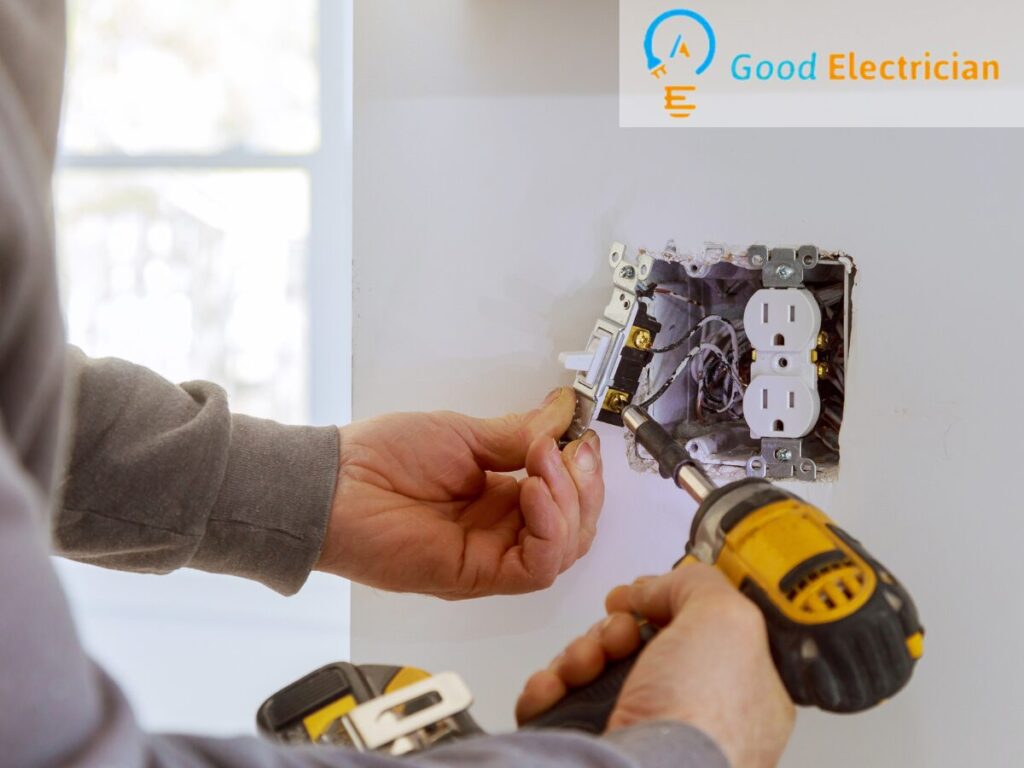
Professionally-rated outlets and commercial-grade devices are better suited for high-demand usage. These should always be installed by trained professionals to match the requirements of the space.
What Sparks Reveal About Your Electrical System
Sparks are a visual symptom. They don’t occur in isolation—they often come with other issues like flickering lights, buzzing noises, warm outlets, or tripped breakers. Taken together, these symptoms can reveal deeper problems in your home’s electrical system:
- Undersized wiring for the demand on the circuit
- Improperly grounded systems
- Deteriorating insulation
- Loose terminals inside junction boxes
- Aging or corroded breakers
Treating the spark as a one-time event and replacing only the outlet might ignore a larger safety issue. A qualified electrician will investigate the full system, from panel to outlet, to determine what needs to be repaired or replaced.
When to Call an Electrician
If your outlet sparks once with no other signs of trouble, it might not be an emergency. But if you notice frequent sparks, visible damage, burning smells, warm outlets, or tripping breakers, don’t wait. These are strong indicators of a larger fault.
Replacing an outlet or upgrading a panel should not be treated as a DIY task. These are precision jobs that require code knowledge, safe handling of live circuits, and appropriate tools. Always call a licensed professional to inspect and perform repairs or upgrades. Mistakes can lead to property damage or injury.
Final Thoughts
Sparking outlets are more than just annoying flashes of light. They’re an alarm bell. Whether caused by loose wires, overloaded circuits, water exposure, or worn-out materials, these sparks point to a system that may be compromised. Knowing the causes and recognizing the warning signs gives you a head start in preventing bigger electrical failures.
A well-maintained electrical system should be silent, steady, and safe. If your home isn’t meeting that standard, it’s time to take action—before the next spark becomes something much worse.