EV Charger Installation: What Affects the Price and How to Plan Your Budget
Electric vehicles are no longer just a futuristic idea—they’re on driveways all across Northern Virginia. With more drivers making the switch, the need for reliable and safe charging at home has become just as important as the car itself. While many new EV owners are excited to get their charger installed, the reality is that installation costs can vary a lot depending on the home, the charger, and the scope of electrical work required.
At A Good Electrician LLC, we’ve seen firsthand how the smallest details can make a big difference in what homeowners pay. This guide breaks down the major factors affecting EV charger installation costs and offers a practical way to budget for the project. And remember, while it’s helpful to understand the process, electrical work should always be handled by licensed professionals to ensure safety and compliance.
The Charger Itself: Level 1, Level 2, or Beyond
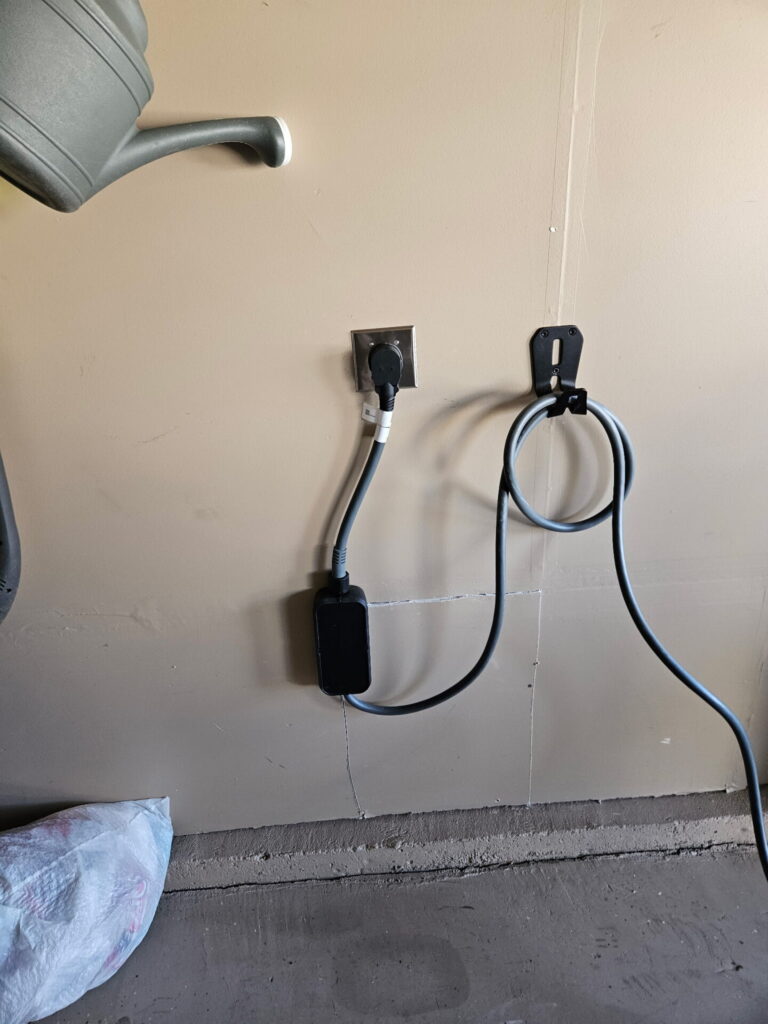
The first cost driver is the charger you choose. A Level 1 charger comes standard with most EVs and plugs into a regular household outlet. It’s the slowest option, often adding just a few miles of range per hour. Since most outlets are already in place, there’s usually little to no installation cost beyond verifying the circuit can handle the load.
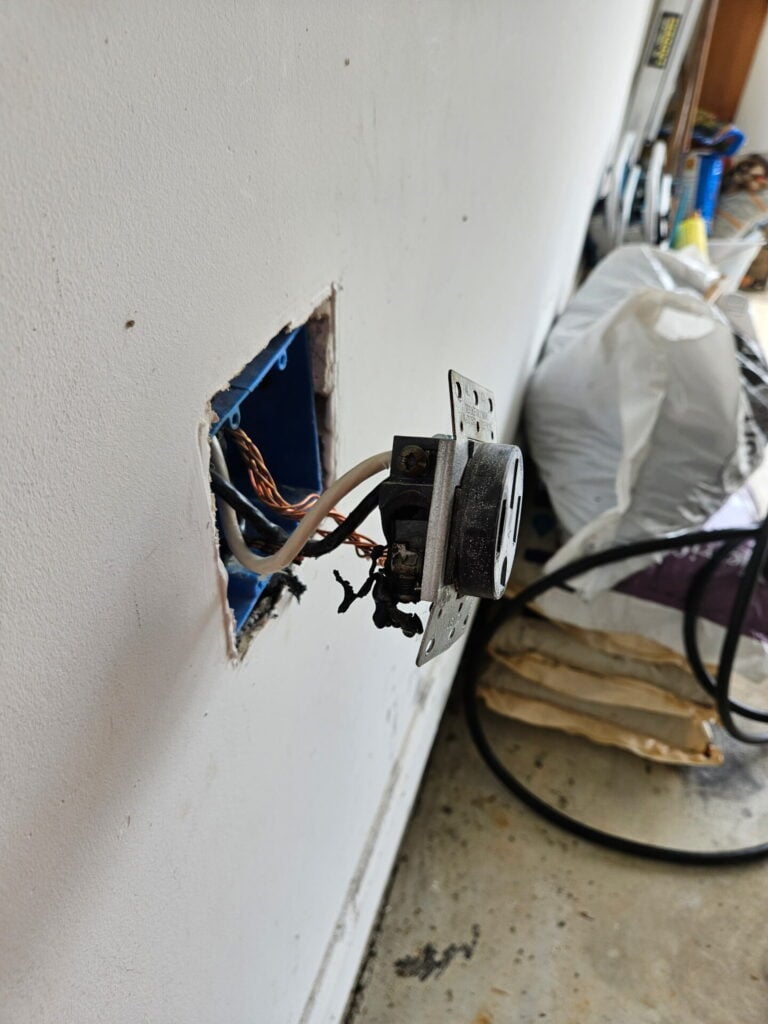
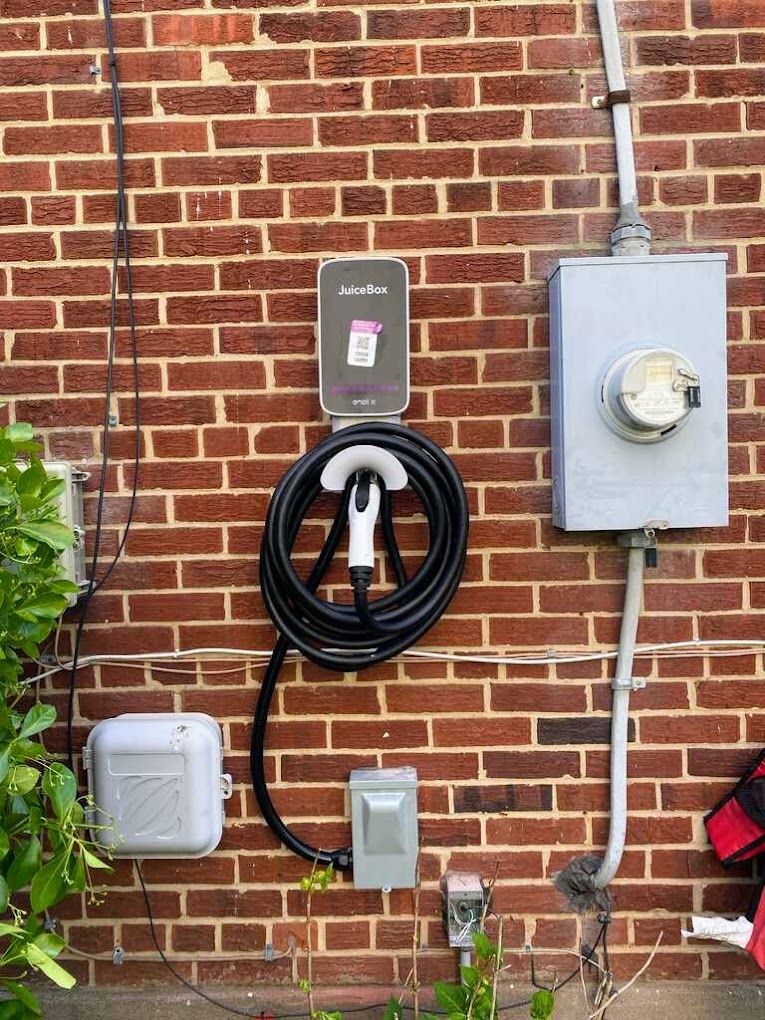
Level 2 chargers are a different story. They use a 240-volt circuit—the same type used by large appliances like dryers. This means a dedicated circuit and proper wiring must be in place. The cost of the unit itself ranges from a few hundred to over a thousand dollars, depending on features like Wi-Fi connectivity, energy monitoring, and compatibility with different EV brands.
Looking ahead, some homeowners are already asking about Level 3 chargers, but these are rarely practical for residential use. They require industrial-grade power and are mainly designed for commercial charging stations. For now, Level 2 remains the sweet spot for most households who want reliable overnight charging.
Electrical Panel Capacity and Upgrades
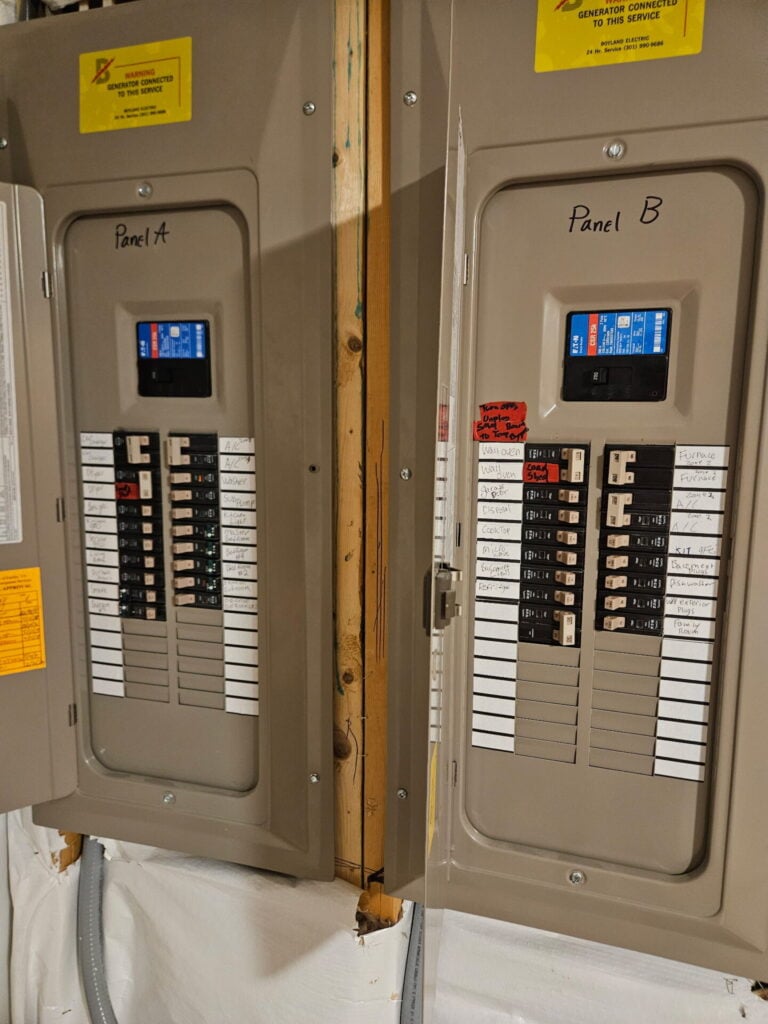
Once the charger is chosen, the next question is: can your home’s electrical system handle it? A Level 2 charger typically requires a 40–60 amp breaker. Older homes with 100-amp service often don’t have enough spare capacity, especially if central AC, electric heat, or other large appliances are already in play.
Upgrading a panel from 100 amps to 200 amps can add a significant expense, often several thousand dollars, depending on the complexity of the job. On the other hand, newer homes with 200-amp service may already have room for the added circuit, keeping costs lower.
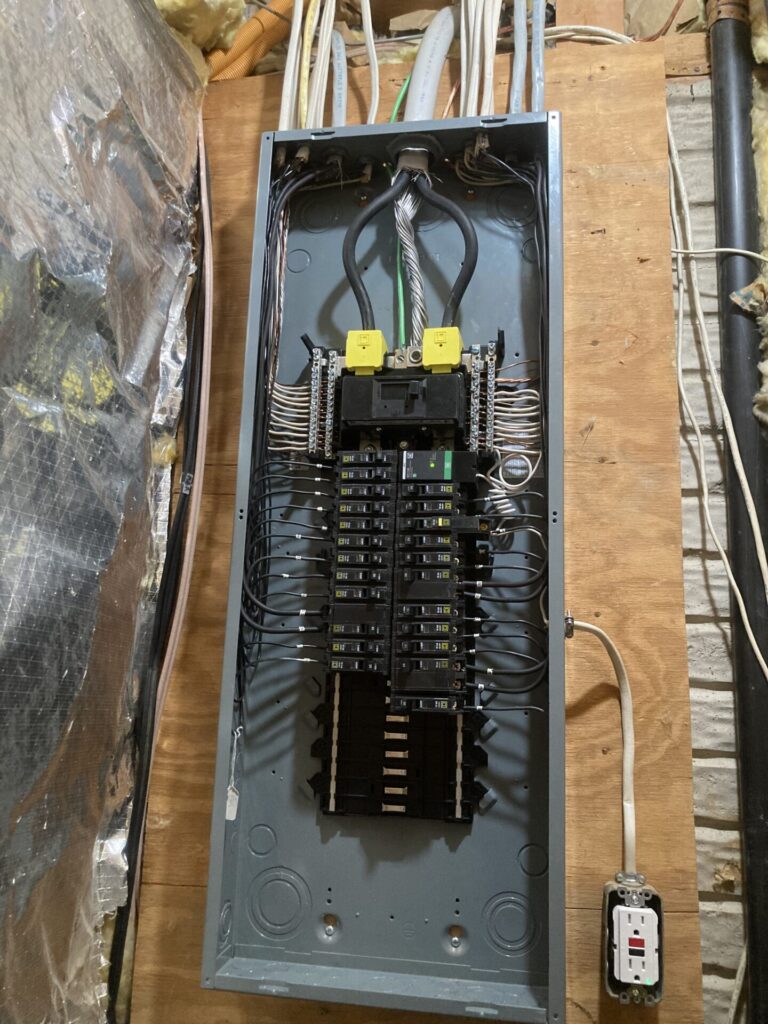
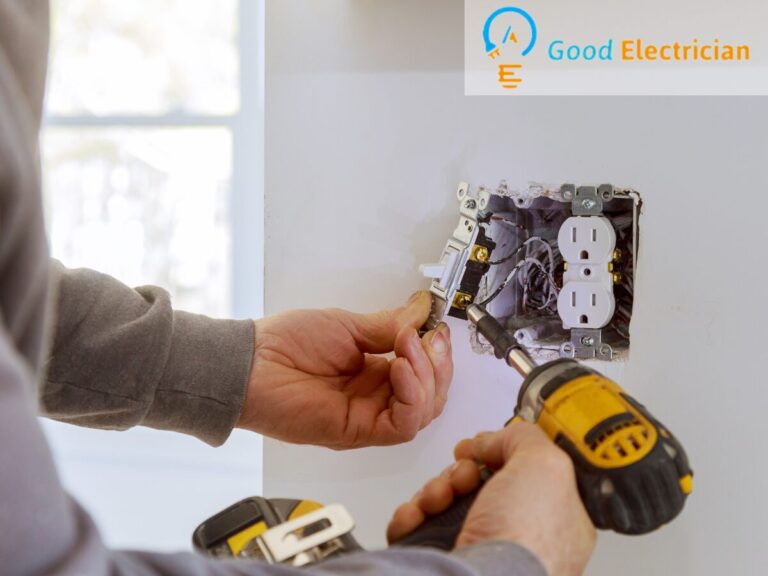
Load calculations are key here. A licensed electrician will review your existing circuits, expected load, and potential future needs. Skipping this step could result in frequent breaker trips or worse—electrical hazards. This is why DIY panel work is never recommended; professional installation ensures everything meets code and can pass inspection.
Wiring Distance and Route
Where the charger will be located in relation to the electrical panel also impacts price. If your panel is in the garage and the charger will be mounted on a nearby wall, installation may be straightforward. But if the panel is on the opposite side of the house or in the basement, the electrician will need to run conduit through walls, ceilings, or even outdoors to reach the charging location.
Every additional foot of wire and every obstacle—like finished drywall, concrete, or exterior siding—adds labor and material costs. Underground trenching, sometimes required for detached garages, can raise the price substantially. Planning the shortest and most practical route early helps keep costs in check.
Permits, Inspections, and Code Compliance
Another factor homeowners don’t always think about is permitting. Most jurisdictions, including those in Northern Virginia, require a permit for EV charger installations. This ensures the work is inspected for safety and code compliance. Permit fees vary, but they are typically a small fraction of the overall project cost.
The bigger expense is the time and planning that goes into meeting all electrical codes. Local building departments have specific requirements for grounding, wire size, breaker type, and installation methods. A licensed electrician will handle this process and coordinate the final inspection. Skipping permits might seem like a shortcut, but it can cause headaches later if you sell the home or file an insurance claim after an electrical issue.
Labor and Regional Pricing
Labor rates for electricians vary by region. In Northern Virginia, where demand for skilled electricians is high, labor costs can be higher than in rural areas. The complexity of the job also matters—simple installations may take just a few hours, while panel upgrades and long wire runs can turn into a multi-day project.
The best approach is to get a detailed written estimate that breaks down parts, labor, permits, and any optional upgrades. This transparency helps avoid surprises once the work begins.
Optional Features and Add-Ons
Some homeowners opt for more than just the basic charger. Smart chargers, for instance, can be programmed to charge only during off-peak utility hours, saving money over time. Others integrate with solar panels or home energy management systems. While these add convenience and efficiency, they do increase upfront costs.
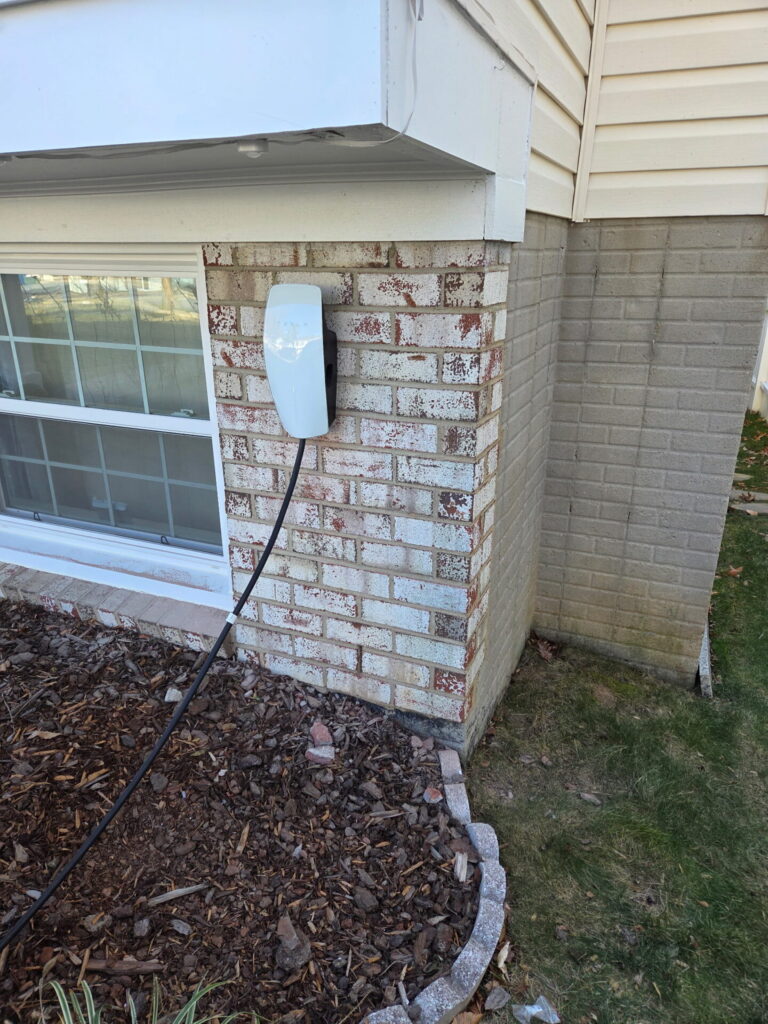
Outdoor installations may also require weatherproof enclosures, posts, or bollards to protect the charger from vehicles. These details may not seem critical at first but can significantly affect durability and safety.
Rebates and Incentives
Fortunately, the federal government and many utilities offer incentives for EV charger installation. A federal tax credit currently allows homeowners to claim a percentage of the installation cost, including hardware and labor. Local utilities in Virginia sometimes provide rebates for installing approved Level 2 chargers, especially when paired with time-of-use rate programs.
These incentives can reduce the effective cost by hundreds of dollars. However, programs change frequently, so it’s worth checking with your utility or electrician for the most current options before starting the project.
Budgeting the Right Way
Given all these variables, what should homeowners expect to pay? For a straightforward Level 2 installation in a newer home with adequate panel capacity, costs might fall in the $800–$1,500 range. When panel upgrades, long wire runs, or trenching are required, the price can easily climb to $2,500–$5,000 or more.
The smartest way to plan a budget is to think in layers. Start with the charger itself, then consider whether your panel needs an upgrade, how far the wiring must run, and whether special features or outdoor protections are needed. Factor in permits and inspections, and then look into rebates to see how much of the cost you can offset.
Why Professional Installation Matters
Installing an EV charger isn’t like plugging in a new appliance. It involves high-voltage equipment, load calculations, and compliance with strict electrical codes. Mistakes can lead to fire hazards, equipment damage, or personal injury. That’s why manufacturers, utilities, and local authorities strongly recommend having a licensed electrician handle the work.
Beyond safety, professional installation provides peace of mind. You’ll know the system is set up correctly, ready for future upgrades, and capable of supporting your EV for years without issues. For homeowners in Northern Virginia, working with a trusted local company ensures the job is done right and backed by proper licensing and insurance.
Planning Ahead for Future Needs
One last tip for budgeting is to think beyond the immediate installation. Many families are adding a second EV within a few years, and installing capacity for two chargers now can be more cost-effective than upgrading again later. Similarly, if you’re planning other electrical projects—like a basement renovation, new HVAC, or solar panels—it’s wise to coordinate those plans with your EV charging setup.
Smart planning today prevents costly rework tomorrow. Discussing your long-term goals with an electrician ensures your home’s electrical system can grow with your needs.
Final Thoughts
The cost of installing an EV charger depends on more than just the price tag of the unit. Panel capacity, wiring distance, permits, labor, and optional features all factor into the final budget. By understanding these elements and working with a licensed electrician, you can set realistic expectations and avoid surprises.
Home charging is an investment in convenience, efficiency, and the future of transportation. With the right planning, it’s a project that pays off every time you plug in.