How to Tell if You Need an Electrician
A home’s electrical system gives you constant clues about its condition, but most homeowners are not trained to recognize what those clues mean. When things start to feel off, many people wonder whether the issue is something they can handle or if it is time to call a licensed electrician. A Good Electrician LLC handles issues like panel upgrades, EV charger installations, and safety inspections in Northern Virginia, and situations like the ones described below usually point to the need for professional help.
What Your Home Is Telling You Through Frequent Electrical Problems
Modern homes use more electricity than ever, and older or stressed wiring begins to show symptoms. Recurring issues are usually the clearest indication that you need an electrician. When the same breaker trips every time you use a hair dryer, vacuum, or space heater, the circuit is likely overloaded or showing signs of wear. Breakers are designed to protect you. If they keep tripping, the circuit is asking for attention. Resetting it repeatedly can hide a developing problem rather than solve it.
Flickering lights are another warning sign. Loose connections at fixtures, junction boxes, or inside the panel can create arcing that produces heat. That heat can damage insulation long before you smell or feel anything. While some flicker stems from poor quality bulbs, persistent flicker or flicker tied to appliance usage signals that the wiring or panel needs evaluation. Since fixtures and panels carry live power, inspection and repair should be handled by trained electricians who understand safe troubleshooting.
Homes sometimes produce unexplained buzzing or crackling. A healthy electrical system should operate silently. A light hum from a transformer or a low noise from a dimmer is normal, but any sound that resembles sizzling, popping, or scratching is out of the ordinary. Those noises usually come from loose terminations, degraded conductors, or overloaded components. This is not something to diagnose without proper training because opening an energized device carries serious risks.
Signs Hidden Inside Outlets, Switches, and Fixtures
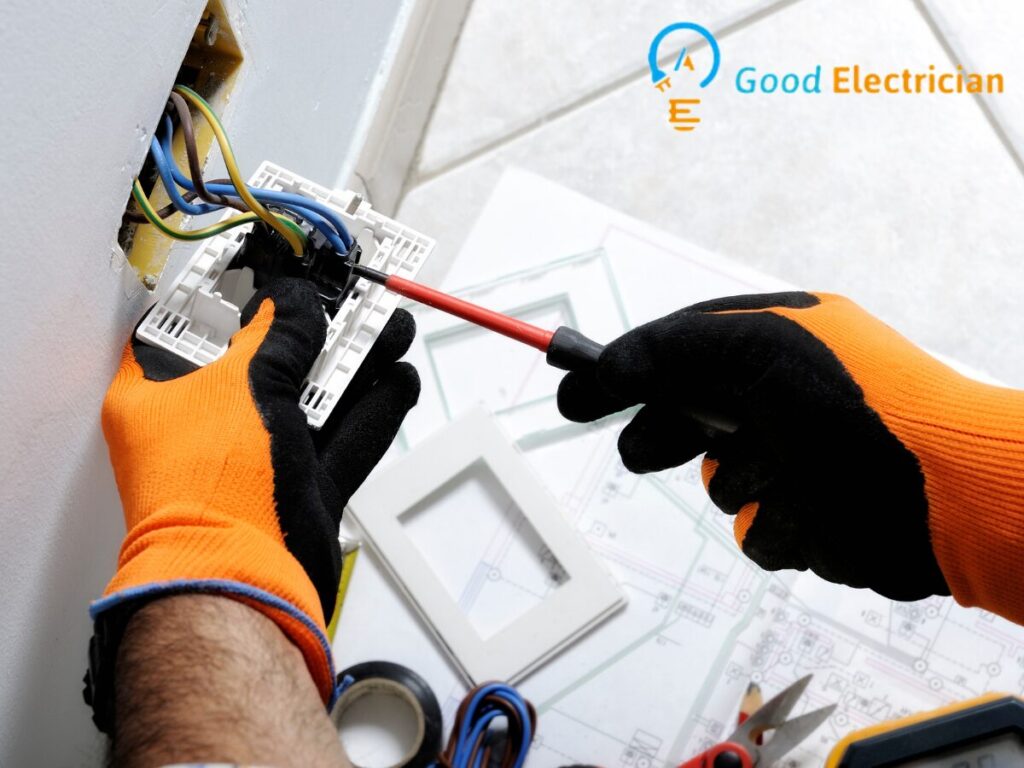
Outlets and switches often tell the story before any larger failure. Warm or discolored faceplates signal loose wiring or excessive load. A normal outlet should never feel hot to the touch. Slight warmth from a dimmer is acceptable, but anything else points toward a defective device or damaged wiring behind the wall. Since these signs are connected to active electrical parts, replacement or inspection should be done by a trained professional to avoid shock or fire hazards.
Another clear indication arises when you hear a subtle snapping sound each time you toggle a switch. Inside the switch, the contacts may be worn or bent. A worn switch can cause arcing that damages the connected wiring over time. If a switch is slow to respond, lights delay turning on, or the switch feels loose or unstable, it is safer to get it replaced by an electrician.
Light fixtures also offer clues. If you replace bulbs far more often than expected, the fixture may be running hotter than it should or the wiring may be loose. Ceiling fixtures installed decades ago were not built for the heat produced by many modern bulbs. Excess heat dries insulation and weakens connections. Any fixture that smells like burning plastic or shows heat damage requires immediate shutdown and professional help.
Breaker Panel Clues That Should Not Be Ignored
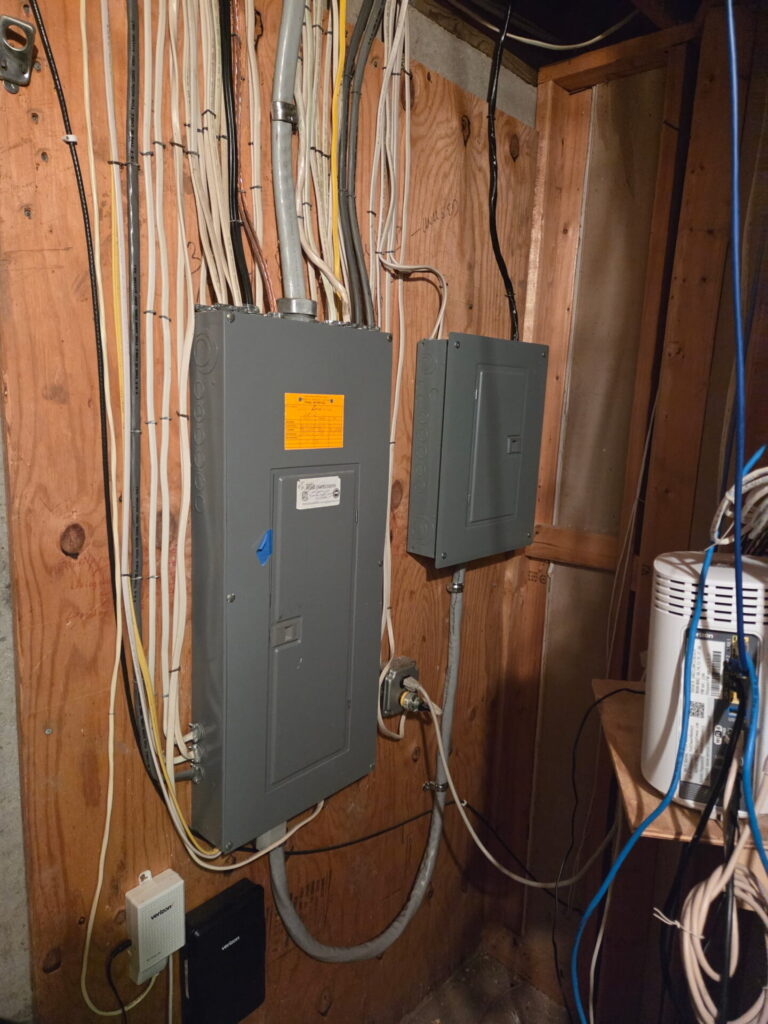
Your electrical panel is the heart of your home’s power system. When it begins to struggle, the signs are usually clear. Breakers that feel loose or fail to stay in place are common symptoms of age or deterioration. A properly functioning breaker should snap firmly into the panel and remain steady. If you notice corrosion, rust, or scorch marks, the panel may have moisture intrusion or overheating inside the bus bars. Both conditions require urgent attention.
Some homes still rely on outdated panels that were never designed for today’s energy demands. If your panel is more than 25 to 30 years old, or if it still uses fuses, an electrician should evaluate whether the system can safely support appliances like EV chargers, induction ranges, or HVAC upgrades. Any attempt to modify a panel or install new circuits should be handled only by trained electricians, since the main lugs remain live even when breakers are switched off.
If your home experiences voltage fluctuations where lights dim whenever your heat pump or dryer starts, the panel or service entrance may be undersized. Voltage drop is often related to overloaded circuits or loose service connections. Because these issues can escalate quickly, professional testing is necessary to determine where the problem originates.
When Appliances and Devices Give Off Warning Signs
Your appliances can reveal electrical problems long before the wiring inside the wall becomes an emergency. When multiple devices lose power at the same time without tripping a breaker, you may have an open neutral or a failing connection somewhere in the branch circuit. This can cause unpredictable power behavior that damages sensitive electronics. If this happens, cut power to that circuit until a trained electrician inspects it.
Older homes often have circuits that were never intended to handle power-hungry devices. If you notice scorch marks on plugs, cords that become unusually warm, or appliances that repeatedly fail before their expected lifespan, the root issue may be inadequate wiring or shared circuits. Replacing an outlet or cord will not solve the deeper electrical limitation.
Some homeowners notice occasional shocks when touching appliances, even mild ones. That sensation usually indicates a grounding issue. Grounding and bonding problems can place metal appliance surfaces at unsafe voltage levels. This type of issue is serious, and only trained electricians should investigate, since incorrect grounding work exposes you to significant risk.
Odors, Smoke, and Heat: Immediate Signals That Safety Is Compromised
Electrical fires often start with subtle signs. A burning smell near outlets, light fixtures, or the panel is an urgent warning that insulation or plastic components are overheating. If you notice this smell, shut off the affected circuit immediately and call an electrician. Heat around the panel or any device is equally concerning. Electrical components are designed to operate at controlled temperatures, and excess heat indicates strain or internal failure.
Sometimes the first sign of trouble is faint smoke from a fixture or outlet. Smoke means the issue has already reached a dangerous level. Do not attempt to inspect it yourself. Turn off power at the panel if you can do so safely, and contact emergency services if the smoke increases. After the immediate danger passes, an electrician must examine the system to prevent recurrence.
Renovations, New Devices, and Situations That Require Planning Ahead
Even when nothing is malfunctioning, certain upgrades and changes mean you should involve an electrician. Home offices, EV chargers, hot tubs, high powered kitchen appliances, and finishing a basement all place new demands on your electrical system. Adding circuits or adjusting existing ones involves detailed load calculations, proper grounding, and code compliant installation. This work should be performed by trained electricians because improper setup can reduce safety and reliability.
Smart home technology is becoming more common, and many devices require low voltage wiring or integration with existing electrical systems. While some components are straightforward, any installation that modifies permanent wiring or affects your panel must be handled by a professional. Homeowners often attempt to install smart switches or automated lighting without considering box fill, wire gauge, or grounding requirements, which can create long term hazards.
If you plan any remodeling that involves moving walls, changing lighting layouts, or adding outlets, an electrician should evaluate the existing wiring before construction begins. Hidden junction boxes, undersized circuits, and outdated wiring materials are frequently discovered once walls are opened. Addressing these issues during renovation is far easier and safer than waiting for a problem to surface years later.
When Your Home’s Age Alone Justifies an Electrical Evaluation
Many homes across Northern Virginia were built during periods when electrical loads were far lower than today. Houses constructed before the mid 1990s often have panels that top out at 100 amps. With modern HVAC systems, high capacity water heaters, and growing smart tech usage, a 100 amp panel may struggle to support everyday demands. If your home is older, even if everything seems functional, a professional inspection can prevent future problems.
Older wiring types like aluminum branch circuits or cloth insulated cables require periodic checks. Aluminum expands and contracts more than copper, which can cause loose connections over time. Cloth insulation becomes brittle with age and heat exposure. These issues usually show no symptoms until a failure happens, so scheduled evaluation is essential.
When Calling an Electrician is the Right Move
You know your home better than anyone, and you can usually sense when something feels off. Any time you see smoke, smell burning, feel heat from an outlet, hear buzzing, or experience repeated breaker trips, it is time for a licensed electrician. Any time you plan to install new appliances, add circuits, or modify wiring, the work should be completed by trained professionals.