Signs of Faulty Electrical Wiring Every Homeowner Should Take Seriously
Electrical wiring sits behind walls, ceilings, and panels, so problems often stay hidden until something goes wrong. Faulty wiring is one of the most common causes of residential electrical fires, damaged appliances, and unexplained power issues. Many homeowners live with warning signs for months or years without realizing the risk they are taking. Recognizing these signs early can prevent property damage, costly repairs, and serious safety hazards.
A licensed electrician sees the same warning signals again and again across homes of all ages. Some show up in older properties with outdated wiring methods, while others appear in newer homes due to rushed installations or overloaded systems. A Good Electrician regularly helps homeowners diagnose and correct these issues during inspections, panel upgrades, and rewiring projects, but awareness always starts with knowing what to watch for.
Below is a detailed breakdown of the most important signs of faulty electrical wiring, why they happen, and why ignoring them can be dangerous.
Frequent Circuit Breaker Trips
Circuit breakers exist to protect wiring and devices from overheating. When a breaker trips repeatedly, that protection system is doing its job, but it is also telling you something is wrong.
Occasional trips can happen when a high powered appliance is used on a heavily loaded circuit. Repeated trips on the same breaker usually point to deeper issues. Common causes include overloaded circuits, damaged wires, loose connections, or failing breakers that no longer function properly. Older homes often struggle with modern electrical demand, especially when multiple appliances, electronics, and HVAC equipment share circuits designed decades ago.
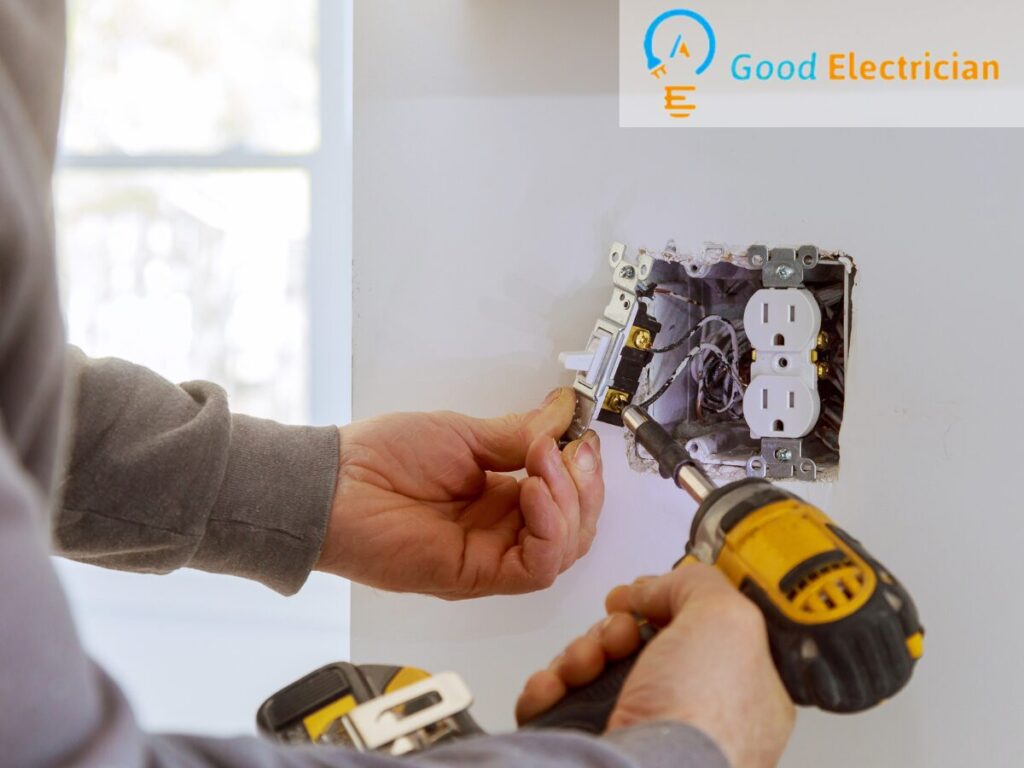
Resetting a breaker again and again without identifying the cause increases the risk of overheated wires inside walls. Electrical troubleshooting and circuit upgrades should always be handled by trained electricians who can safely test loads and inspect wiring without causing additional damage.
Flickering or Dimming Lights
Lights that flicker, dim, or brighten unexpectedly are another classic warning sign. Many homeowners assume this only happens during storms or utility issues, yet internal wiring problems are often the real cause.
Loose connections at switches, outlets, fixtures, or inside the electrical panel can interrupt consistent power flow. When electricity struggles to maintain contact, lights flicker. Dimming can occur when large appliances draw power from a shared circuit, pulling voltage away from lighting circuits. Aging wiring, worn insulation, or corroded connections make the problem worse over time.
Modern LED lighting is more sensitive to voltage fluctuations, which means flickering issues appear more noticeable today than they did years ago. Electrical repairs and fixture rewiring should always be performed by licensed professionals to avoid shock hazards and code violations.
Warm Outlets, Switches, or Wall Plates
Outlets and switches should never feel warm during normal use. Heat indicates resistance, which often comes from loose wiring, damaged conductors, or overloaded circuits.
A slightly warm device may not seem urgent, but heat buildup inside walls can damage insulation and increase fire risk. Plastic wall plates can discolor or warp, and metal components may expand and loosen connections even further. Warmth combined with buzzing sounds or visible damage raises the danger level significantly.
Electrical inspections are the safest way to identify the source of overheating. Working inside energized boxes without proper training can result in severe injury, so this type of troubleshooting should be left to professional electricians.
Burning Smells or Scorch Marks
A burning odor near outlets, switches, or the electrical panel is a serious red flag. The smell often resembles melting plastic or hot insulation. This usually means wires are overheating or arcing behind the wall.
Scorch marks around outlets, cover plates, or panel breakers confirm that heat damage has already occurred. Arcing can happen when connections loosen or insulation deteriorates, allowing electricity to jump across gaps. These conditions can ignite surrounding materials without warning.
If a burning smell appears, power to the affected area should be shut off immediately and evaluated by a licensed electrician. Electrical repairs involving damaged insulation or panel components must always be performed by trained professionals with proper safety equipment.
Buzzing or Crackling Sounds
Electrical systems should operate quietly. Buzzing, humming, or crackling sounds coming from outlets, switches, or breaker panels indicate loose connections or failing components.
Electricity moving through loose wiring creates vibration and small arcs that produce audible noise. Over time, arcing degrades conductors and increases heat, accelerating system failure. Panels that buzz under load may contain aging breakers that no longer seat properly on the bus bar.
Electrical noise is never normal and should not be ignored. Diagnosing these issues requires specialized testing tools and should always be handled by certified electricians to ensure safety and code compliance.
Outlets That Spark or Fail
Small sparks can occur when plugging in devices, yet frequent or large sparks point to wiring issues. Sparks may result from loose connections, worn outlets, or moisture intrusion.
Outlets that stop working altogether may signal broken wires inside the wall, damaged receptacles, or tripped GFCI protection upstream. In some cases, wiring damage occurs due to nail punctures, pest activity, or aging insulation that becomes brittle and cracks.
Outlet replacement and wiring repairs involve direct exposure to live conductors. These tasks should always be completed by trained electricians who understand proper grounding, polarity, and local electrical codes.
Shock or Tingling Sensations
Feeling a shock or tingling sensation when touching an appliance, outlet, or switch is a serious safety concern. This often indicates improper grounding or reversed polarity within the wiring system.
Modern electrical codes require grounding paths that safely carry stray electricity away from devices and people. Older homes may lack proper grounding altogether, while newer homes may experience grounding failures due to loose connections or damaged wires.
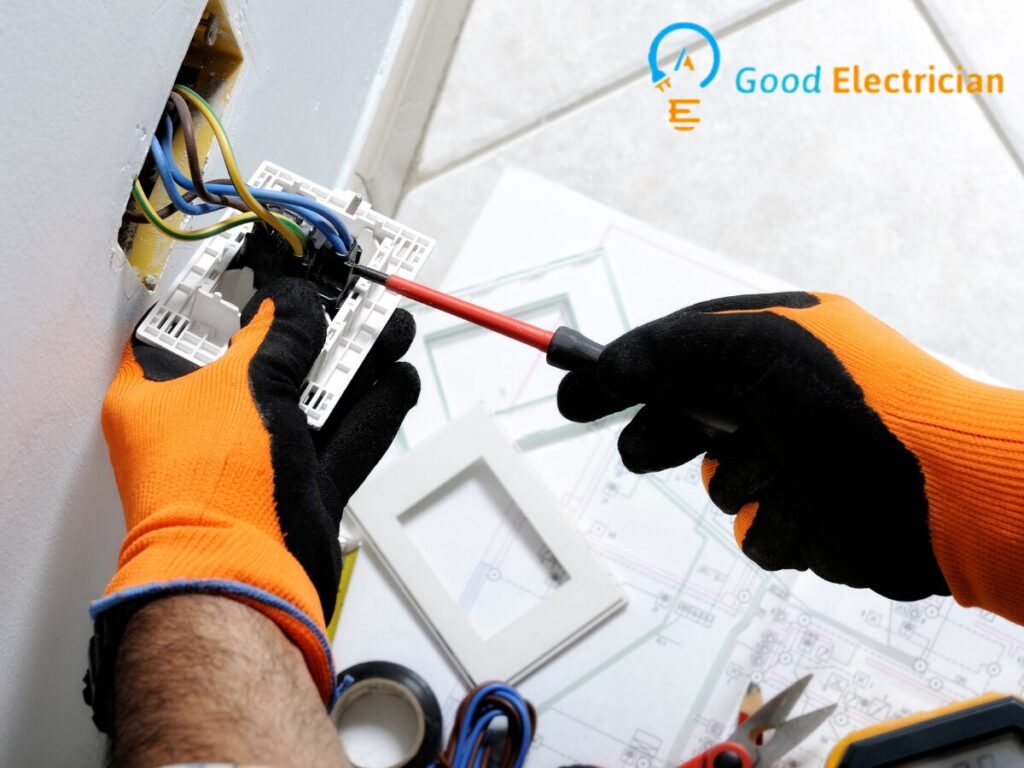
Correcting grounding issues usually requires panel work, circuit testing, and sometimes rewiring. These repairs should only be handled by licensed professionals due to the risk of electrocution.
Aluminum or Outdated Wiring
Homes built during certain periods may contain wiring materials that no longer meet modern safety standards. Aluminum wiring, commonly installed during the 1960s and 1970s, expands and contracts more than copper, which leads to loose connections and increased fire risk.
Knob and tube wiring found in older properties lacks grounding and insulation designed for today’s electrical loads. While these systems may still function, they are not suitable for modern appliances and electronics.
Evaluating and upgrading outdated wiring requires professional assessment. Full or partial rewiring should always be completed by experienced electricians who can ensure compliance with current codes and safety standards.
Overloaded Power Strips and Extension Cords
Heavy reliance on power strips and extension cords often signals inadequate wiring capacity. When multiple devices draw power from a single outlet, wiring can overheat even if the breaker does not trip.
Temporary solutions become permanent in many homes, increasing risk over time. Wall outlets and circuits are designed for specific loads, and exceeding those limits stresses the wiring system.
Adding new circuits or outlets should always be performed by trained electricians. Proper installation ensures load balance, grounding, and long term safety.
Unexplained Electrical Failures
Lights or outlets that stop working without obvious reasons often indicate hidden wiring problems. Loose junctions inside walls, failing splices, or damaged cables can interrupt power intermittently.
These failures tend to worsen with time, leading to larger outages or hazardous conditions. Electrical diagnostics involve tracing circuits and testing connections, which should only be done by licensed professionals to avoid accidental damage or injury.
Why Professional Evaluation Matters
Faulty wiring problems rarely fix themselves. What starts as a flickering light or warm outlet can evolve into serious fire hazards if left unaddressed. Modern electrical systems are complex, and improper repairs can create new risks even when intentions are good.
Licensed electricians use specialized tools, thermal testing, and code knowledge to identify issues safely. Electrical installations, repairs, and upgrades should always be handled by trained professionals to protect people, property, and long term system reliability.
Electrical wiring plays a critical role in everyday safety and comfort. Paying attention to these warning signs and acting early helps prevent emergencies and ensures your home remains safe for years to come.