Home Automation and Wiring: Building the Electrical Backbone of a Modern Smart Home
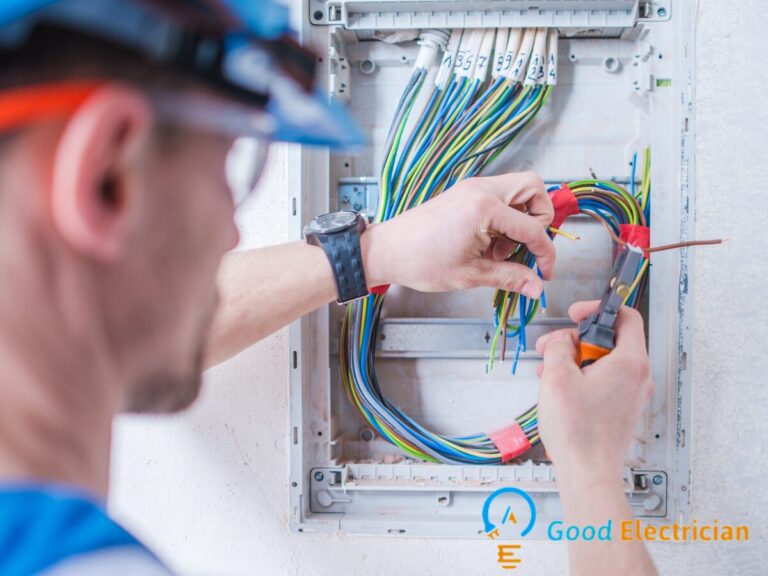
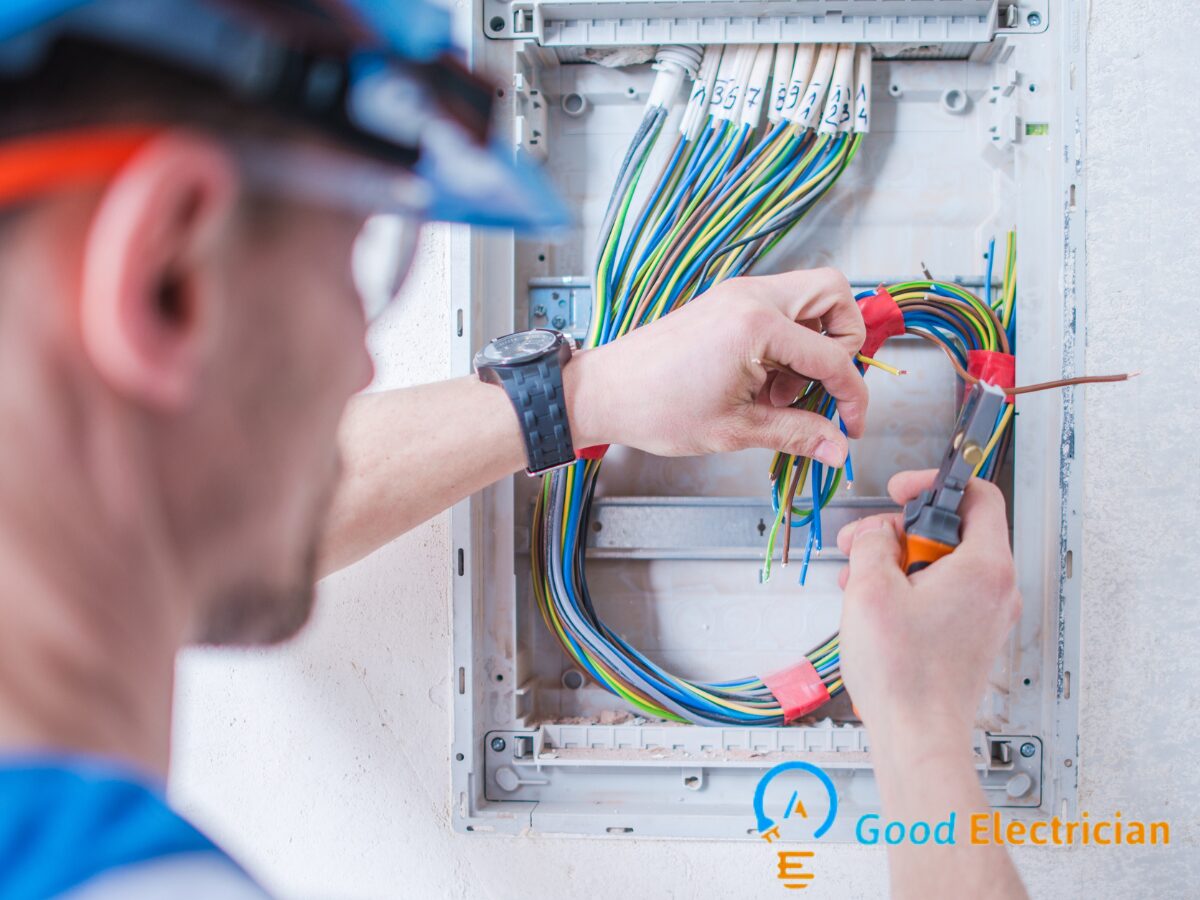
Home automation and wiring sit at the intersection of electrical craftsmanship and modern technology. Houses are no longer passive structures that simply distribute power to lights and outlets. Electrical systems now act as the backbone for connected devices, intelligent controls, and integrated platforms that manage comfort, safety, and energy use. Anyone planning a new build, renovation, or upgrade benefits from understanding how automation depends on thoughtful wiring decisions made early and executed correctly.
Early planning often determines whether a smart home feels seamless or patched together. Electrical pathways, panel capacity, low-voltage cabling, and network infrastructure all shape how well automation performs over time. A Good Electrician LLC regularly works with homeowners who want systems that function reliably today and remain flexible for future upgrades, which highlights how much foresight matters in this field.
Understanding Home Automation at the Electrical Level
Home automation refers to systems that allow lighting, climate, security, entertainment, and appliances to be monitored or controlled automatically or remotely. Many people associate automation with apps or voice commands, yet the physical wiring behind the scenes plays a critical role.
Every automated device still relies on power delivery, signal integrity, and safe electrical distribution. Wireless devices reduce the need for control wiring, though they do not eliminate it. Wi-Fi access points, hubs, power supplies, and backup systems still depend on solid electrical design. Poor wiring choices can lead to latency, unreliable connections, or limited expansion options later.
Automation also increases electrical load diversity. Homes with smart HVAC controls, EV chargers, whole-house audio, and automated lighting often draw power differently than traditional houses. Circuits must be balanced properly, and panels must be sized to handle both current demand and anticipated growth.
Core Wiring Types Used in Smart Homes
Modern automated homes rely on a mix of line-voltage and low-voltage wiring. Each serves a distinct purpose and must be installed with different methods and safety considerations.
Line-voltage wiring handles standard household power. Lighting circuits, receptacles, appliances, and HVAC equipment fall into this category. Automation modifies how these circuits are controlled, often through smart switches, dimmers, or relay modules installed in wall boxes or panels.
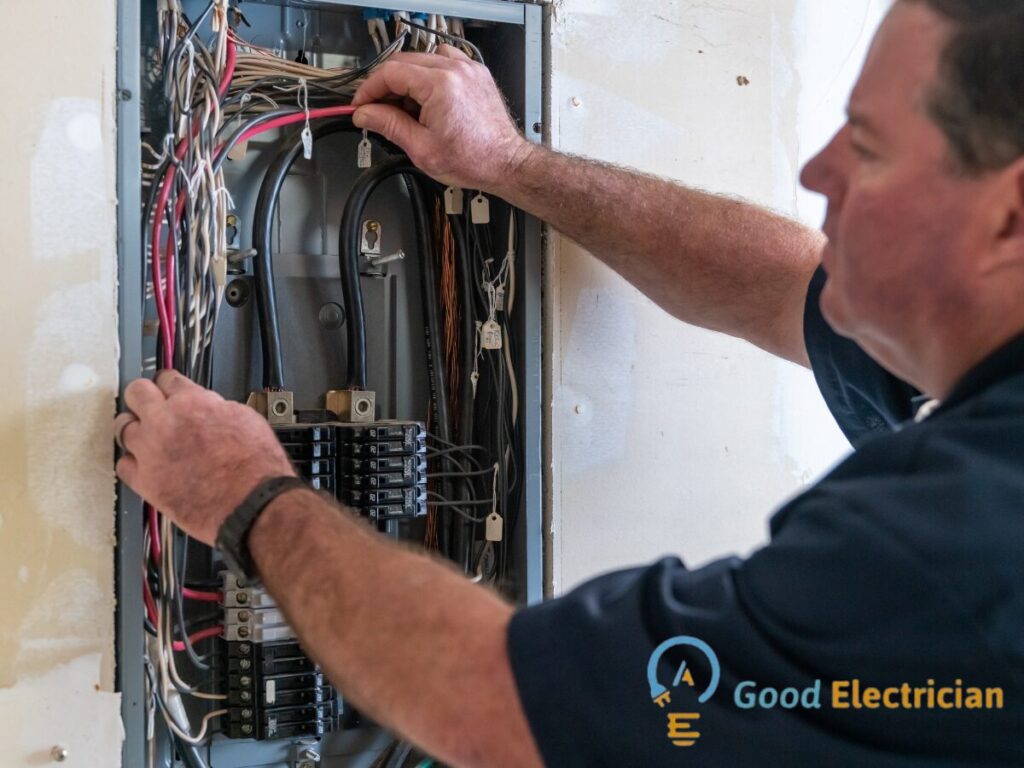
Low-voltage wiring supports communication and control. Ethernet cables connect smart hubs, access points, and control panels. Speaker wire feeds distributed audio systems. Sensor cables link door contacts, motion detectors, and environmental sensors. Coaxial cable still appears in some media systems, though fiber and Ethernet increasingly replace it.
Installations involving any of these wiring types should be handled by trained electricians or qualified low-voltage professionals. Proper separation, grounding, and termination protect both the system and the occupants.
Structured Wiring and Centralized Control
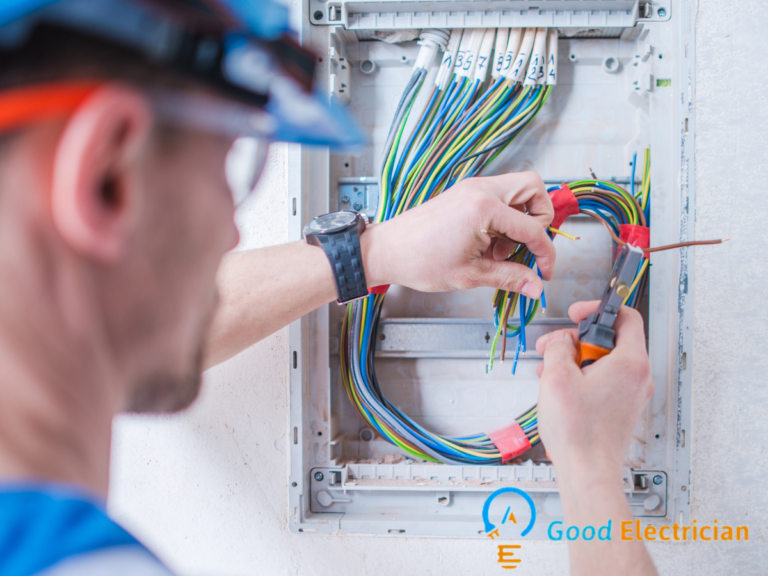
Structured wiring refers to organizing low-voltage cabling into a central distribution point, often a dedicated enclosure or closet. This approach simplifies troubleshooting and allows future devices to be added without tearing into walls.
Centralized panels typically house network switches, automation controllers, power supplies, and sometimes lighting control modules. From this hub, cables run in a star configuration to rooms throughout the home. This design improves signal quality and reduces interference compared to daisy-chained wiring.
Structured wiring also supports redundancy. Multiple Ethernet runs to key rooms provide flexibility for future technologies. Even homes that rely heavily on wireless automation benefit from strong wired backbones feeding access points.
All structured wiring work should be completed by trained professionals who understand fire stopping, cable ratings, and proper labeling practices.
Smart Lighting and Its Wiring Requirements
Lighting remains one of the most common entry points into home automation. Smart lighting can range from app-controlled bulbs to fully centralized lighting systems.
Smart switches and dimmers replace standard wall devices and require neutral wires in many cases. Older homes sometimes lack neutrals in switch boxes, which complicates retrofits. Addressing this issue often involves running new cable or reconfiguring circuits at junction points.
Centralized lighting systems move control hardware away from the wall and into panels. Keypads or touch panels send low-voltage signals to relays or dimming modules. This approach offers cleaner wall aesthetics and advanced scene control, though it requires detailed planning and precise wiring.
Lighting automation installations should always be completed by licensed electricians. Incorrect wiring can create shock hazards, equipment damage, or code violations.
Automated Climate Control and Power Planning
Smart thermostats, zoning systems, and connected HVAC equipment change how climate control wiring is designed. Traditional thermostat wiring may not support advanced features without modification.
Many modern thermostats require a constant power supply through a common wire. Homes without this wire often need new cabling run between the HVAC equipment and thermostat location. Zoning systems add dampers, control boards, and sensors that must be powered and interconnected properly.
Electrical panels must also account for increased HVAC efficiency equipment, heat pumps, and auxiliary systems. Automation improves performance only when the underlying electrical infrastructure supports it safely and reliably.
Work on HVAC control wiring and associated electrical circuits should be handled by qualified professionals familiar with both electrical and mechanical system requirements.
Security, Access Control, and Reliability
Automated security systems combine sensors, cameras, access controls, and monitoring equipment. Wireless components add convenience, though wired connections remain the most reliable option for critical functions.
Hardwired door and window sensors offer consistent performance and resist interference. Wired cameras provide higher resolution and stable connections compared to battery-powered units. Access control systems for gates or doors require careful integration with power and safety circuits.
Backup power also matters. Automation systems tied to security should continue operating during outages. This often involves dedicated circuits, battery backups, or generator integration planned at the wiring stage.
Security and access system wiring must be performed by trained electricians or security professionals to ensure proper operation and compliance with safety standards.
Network Infrastructure as the Backbone of Automation
Automation performance depends heavily on network quality. Congested or poorly designed networks lead to delays, dropped connections, and frustrated users.
Ethernet cabling provides stable, high-speed links between devices. Strategic placement of wired access points ensures strong wireless coverage throughout the home. Power over Ethernet simplifies installation for cameras and access points by combining power and data in a single cable.
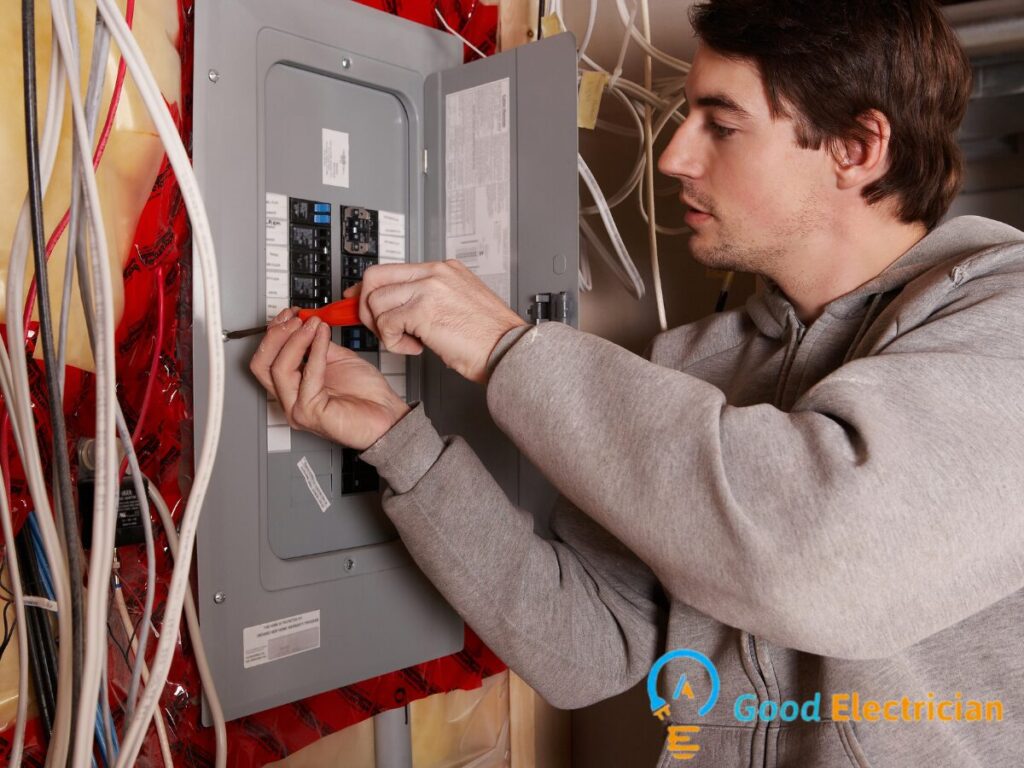
Network racks or enclosures require adequate power, ventilation, and grounding. Surge protection protects sensitive electronics from voltage spikes.
Professional installation ensures network wiring meets current standards and supports future bandwidth demands without rework.
Power Management, Panels, and Load Calculations
Automated homes often include energy monitoring, load shedding, and smart panels. These systems provide insight into power usage and help manage demand.
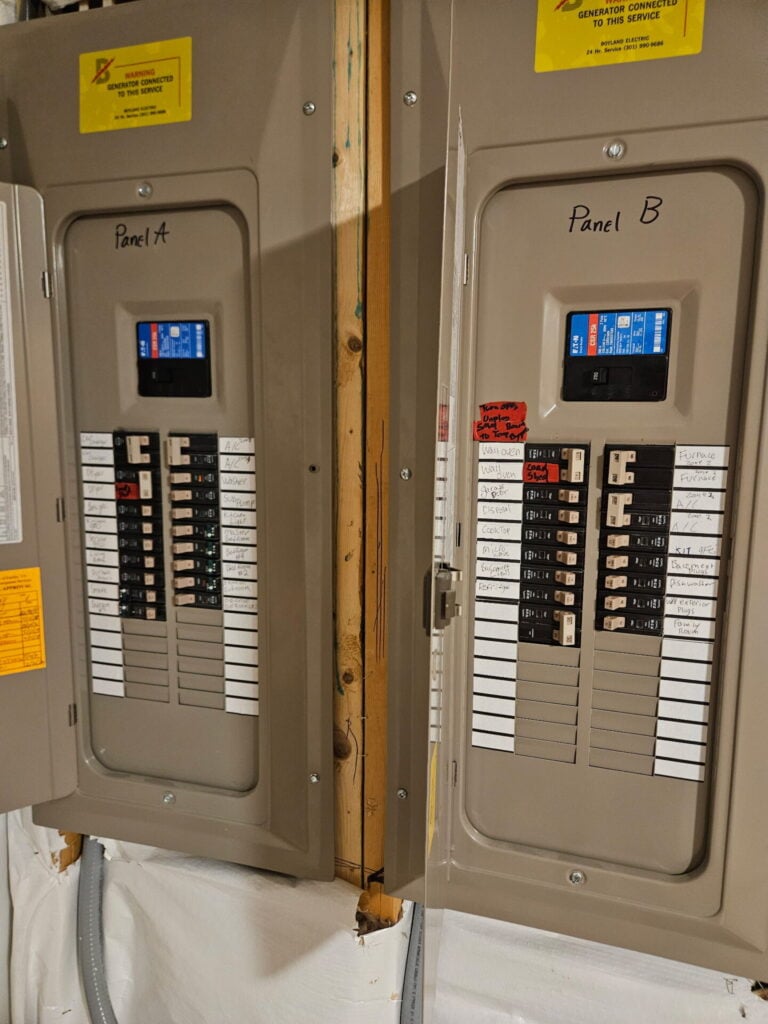
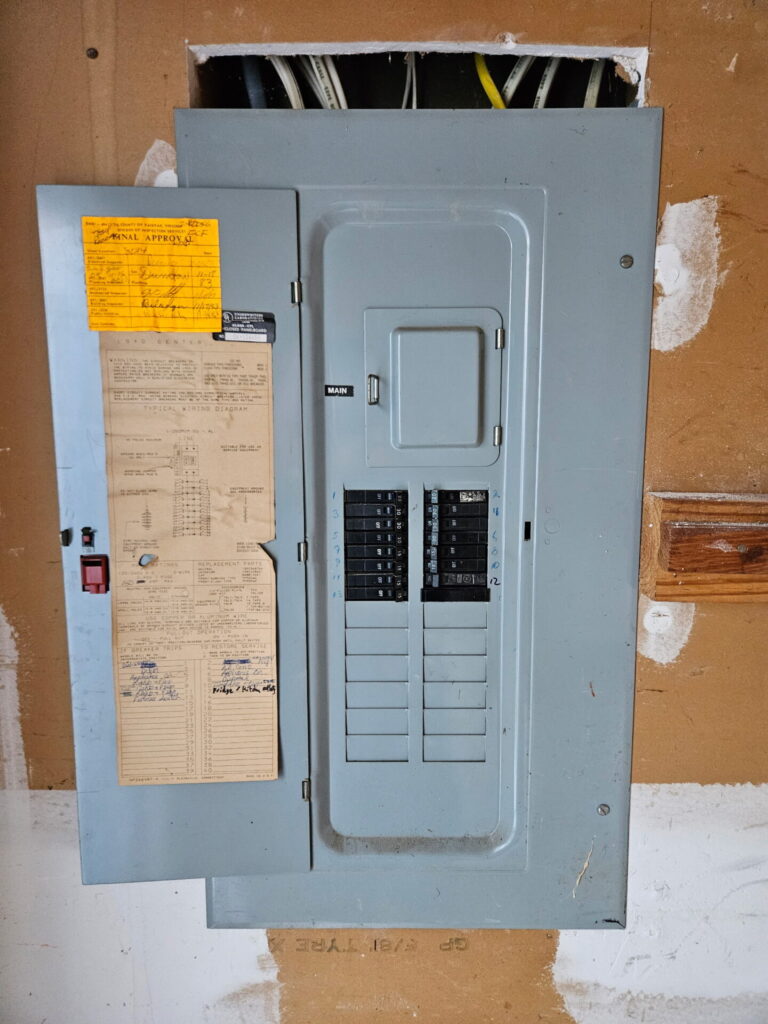
Smart panels allow circuits to be monitored individually and sometimes controlled remotely. Load calculations must consider automation equipment, EV chargers, backup systems, and future additions. Undersized panels limit expansion and may require costly upgrades later.
Grounding and bonding become even more important as electronics increase. Sensitive automation equipment depends on stable reference points to function correctly.
Panel upgrades and power management system installations should only be handled by licensed electricians due to the risks involved.
Future-Proofing Through Thoughtful Wiring
Technology evolves quickly, though walls and ceilings last decades. Future-proofing focuses on installing pathways and capacity rather than specific devices.
Conduit runs allow new cables to be pulled later without demolition. Extra junction boxes, oversized panels, and spare circuits provide flexibility. Multiple low-voltage runs to key locations support upgrades without rewiring.
Documentation also matters. Accurate labeling and diagrams save time when modifications occur years later.
Future-proofing strategies should be implemented by experienced electricians who understand long-term system planning.
Safety, Codes, and Professional Installation
Automation does not change the fundamentals of electrical safety. Codes still govern wire types, box fill, grounding, and separation of voltage classes. Smart devices add complexity, not exemption.
Permits and inspections ensure systems meet safety requirements. Cutting corners increases risk of fire, shock, or equipment failure. Professional electricians stay current with code updates and manufacturer requirements.
Any installation involving home automation wiring should ideally be performed by trained professionals or licensed electricians. Expertise ensures safety, reliability, and long-term performance.
The Role of Wiring in a Truly Smart Home
Automation succeeds when technology feels invisible. Lights respond smoothly, climate adjusts automatically, and systems work together without constant attention. Wiring quality often determines whether that experience feels effortless or frustrating.
Strong electrical foundations support innovation. Homes wired thoughtfully today adapt more easily to tomorrow’s technology. Whether upgrading a single room or designing a fully automated residence, attention to wiring details shapes the outcome more than any single device.
Home automation continues to evolve, though electrical principles remain constant. Understanding how wiring supports automation helps homeowners make informed decisions and invest wisely in systems that last.