


The Benefits of LED Recessed Lighting for Your Home
LED recessed lighting has quickly become one of the most practical and stylish upgrades for residential interiors. Homeowners are choosing these lights not just for the sleek, modern look, but also for their functionality, energy efficiency, and long-term value. Whether you’re renovating a kitchen, finishing a basement, or updating your entire home, LED recessed lights can provide excellent illumination with minimal visual clutter. At A Good Electrician, we’ve installed hundreds of these systems throughout Northern Virginia, ensuring each project is tailored to the space and wired safely by experienced professionals.
Clean Aesthetic With Maximum Light Output
Recessed lighting, sometimes called can lights or downlights, fits flush with the ceiling. This design eliminates bulky fixtures, providing a clean, uncluttered ceiling line. It’s especially useful in homes with low ceilings, open concept living areas, or modern design preferences where visible light fixtures might feel intrusive or out of place.
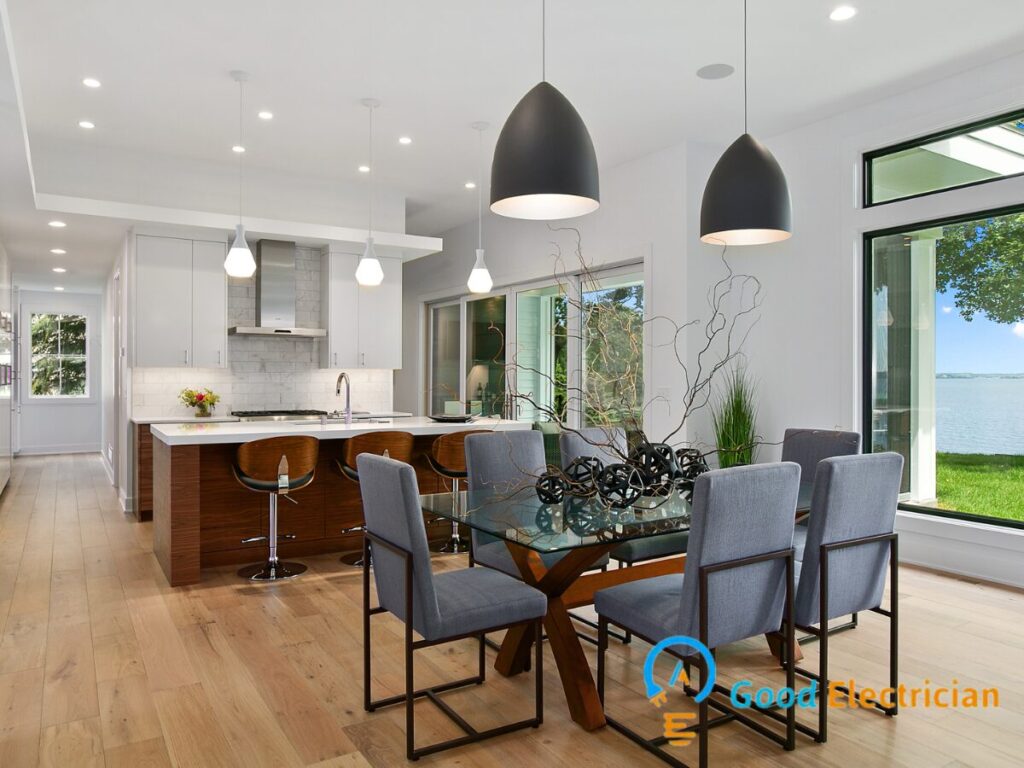
LED recessed lighting stands out because it delivers strong, consistent light output while maintaining a slim profile. Unlike older incandescent or halogen cans that required bulky trims and often suffered from uneven distribution, today’s LED fixtures are available in wafer-thin models with integrated trim and diffusers. That means more uniform lighting and less hassle with changing bulbs or trims.
Lower Energy Bills Without Sacrificing Brightness
Traditional recessed lighting relied heavily on halogen or incandescent bulbs that consumed a lot of power and produced unnecessary heat. LEDs use a fraction of the electricity and convert more energy into light rather than heat. A single LED fixture can use as little as 10 to 12 watts to produce the same brightness as a 60-watt incandescent bulb.
Over time, this efficiency translates into real savings on monthly electric bills. Homes that switch entirely to LED recessed lighting can see a significant drop in usage—especially in kitchens, hallways, or basements where lights tend to stay on longer. When paired with dimmers or smart lighting controls, energy savings get even better.
Longer Lifespan and Less Maintenance
One of the best features of LED recessed lighting is its lifespan. Quality LED fixtures can last up to 25,000 to 50,000 hours, which is far longer than incandescent (1,000 hours) or even compact fluorescent bulbs (8,000–10,000 hours). That means fewer replacements, fewer trips up a ladder, and less hassle over time.
For high ceilings or hard-to-reach areas, this longevity is a huge win. It makes recessed lighting in stairwells, vaulted living rooms, and exterior soffits far more practical. Keep in mind, recessed lighting installations—especially in ceilings—should always be performed by a qualified electrician to ensure proper insulation contact and to prevent overheating or electrical faults.
Flexible Options for Every Room
LED recessed lights come in a variety of sizes, color temperatures, and trim styles to suit any room. You can use warm white tones (2700K–3000K) for living rooms and bedrooms to create a cozy, inviting feel. Cool white or daylight temperatures (4000K–5000K) work better in kitchens, bathrooms, and garages where clarity and brightness matter more.
Some fixtures are adjustable (also known as “gimbal” or “eyeball” trims) and allow you to direct light onto artwork, countertops, or architectural details. Others come with built-in color temperature selection switches, making it easy to adapt lighting to different moods or seasonal preferences. Dimmable options are now standard, offering even more control over ambiance.
This flexibility also extends to spacing and layout. Recessed lights can be placed in tight grids for full-room illumination, or used more sparingly to highlight key zones. When planned well, recessed lighting enhances depth, adds dimension, and reduces shadowy corners without overwhelming the space.
Improved Safety and Less Heat
LED recessed lighting runs cooler than traditional incandescent or halogen options. That’s not just an energy benefit—it’s a safety advantage too. Lower operating temperatures reduce the risk of overheating insulation, especially in older homes where attic airflow or insulation placement might not meet today’s standards.
Most modern LED recessed lights are IC-rated (Insulation Contact rated), which means they can be safely installed in direct contact with insulation without risk of fire. Some are also airtight-rated, helping reduce air leaks through ceiling penetrations and improving overall home energy efficiency. But again, correct installation is essential. Wiring and insulation clearance should always be handled by a licensed electrician who understands local building codes and safety standards.
Smart Compatibility and Home Automation
Many LED recessed lighting products now support smart home integration. Fixtures can be synced with apps, voice assistants like Alexa or Google Home, or smart switches to create lighting schedules, dimming routines, and even mood settings. For example, you can set your kitchen lights to dim automatically after 10 PM or schedule living room lights to brighten at sunrise.
Smart LED recessed lights also allow homeowners to manage lighting remotely, which is useful for security and convenience. Whether you’re away on vacation or simply forgot to turn off the hallway lights, having app control brings peace of mind and modern functionality.
Better Resale Appeal for Modern Homes
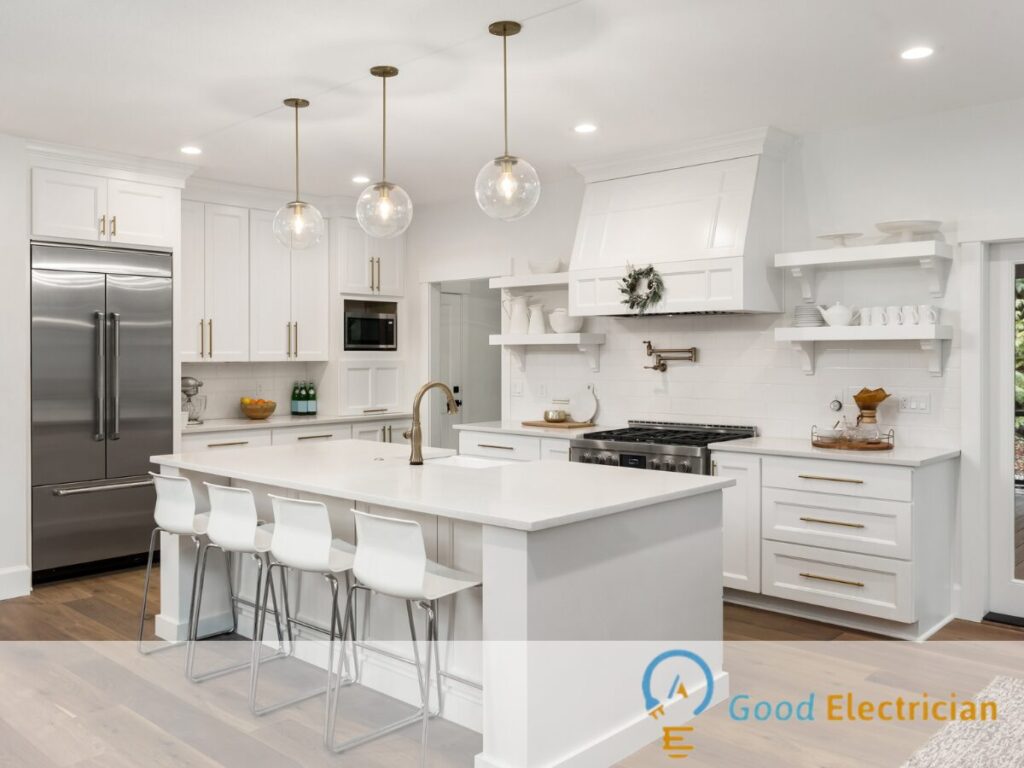
Buyers today expect homes to be both energy-efficient and stylish. Upgraded lighting plays a big role in that perception. Homes with modern LED recessed lighting tend to look more finished and feel more spacious. The lights provide clean, balanced illumination that makes rooms appear brighter and more open.
Beyond aesthetics, energy-efficient lighting is often mentioned in real estate listings as a selling point. It signals to buyers that the home has been updated with lower operating costs in mind. This subtle upgrade can tip the scale in competitive markets where buyers are looking for turn-key solutions with modern touches.
Eco-Friendly and Environmentally Responsible
LEDs use fewer materials, last longer, and consume less power than nearly any other residential lighting option. That makes them a sustainable choice from both a materials and energy standpoint. Fewer replacements mean less waste headed to landfills. Lower electricity usage means reduced demand on power plants and less carbon output overall.
Some homeowners also choose LED recessed lighting that’s ENERGY STAR certified, which confirms that the fixtures meet strict energy efficiency and performance standards. These lights not only perform well, but also may qualify for local utility rebates or incentives.
Installation Should Be Done Right the First Time
LED recessed lights might be easy to buy, but proper installation still matters. Planning the layout, choosing the right fixtures, cutting ceiling openings, ensuring insulation safety, and wiring everything to code—these are tasks that demand professional expertise.
DIY installs often miss key safety elements like IC rating clearance, breaker compatibility, or avoiding joists and HVAC lines. A licensed electrician will ensure the lights are placed for even coverage, won’t overheat, and are dimmer-compatible with your electrical panel. For peace of mind and better results, let professionals handle the setup.
Conclusion
LED recessed lighting offers more than just a sleek appearance—it delivers energy savings, improved safety, and better functionality across your entire home. From kitchens to bedrooms and hallways to basements, these fixtures offer modern benefits that traditional lights can’t match. And with so many customizable features, smart integrations, and design options, it’s no surprise that more homeowners are making the switch.
If you’re considering LED recessed lighting for your next home upgrade, make sure it’s installed safely and correctly. Professional installation doesn’t just protect your investment—it ensures your lighting looks and performs exactly as it should for years to come.


