How Do You Know If Your Electrical Panel Is Overloaded?
Your electrical panel is responsible for distributing power safely throughout your home. Every time you run the HVAC system, charge an EV, use an electric range, start the dryer, or turn on a high-demand appliance, the panel and its circuits have to handle that electrical load.
Modern homes often use far more electricity than homes did when many older panels were installed. EV chargers, heat pumps, induction ranges, home offices, hot tubs, and other equipment can add substantial demand. A panel that was adequate years ago may no longer match how the property uses electricity today.
An overloaded electrical panel can show warning signs ranging from frequent breaker trips to overheating and damaged wiring. Some symptoms are obvious. Others require electrical testing and a proper load calculation to identify.
What Does an Overloaded Electrical Panel Actually Mean?
Panel overload is often used as a general term, but electricians look at several different conditions. An individual branch circuit can be overloaded even when the electrical service has plenty of available capacity. The home can also have several heavily loaded circuits that collectively push the service closer to its calculated limit.
Circuit breakers are designed to protect conductors from excessive current. When a circuit carries more current than its wiring and breaker are designed to handle, the breaker should eventually trip. How quickly it trips depends partly on the amount and duration of the overload.
Continuous loads require additional consideration. Under National Electrical Code rules, many continuous loads are generally calculated at 125% of the load, which is why people often hear electricians discuss the 80% loading concept for standard breakers in continuous-load applications. The exact requirements depend on the equipment, circuit, breaker, and installation.
Frequent Breaker Trips Are One of the Biggest Warning Signs
An occasional breaker trip does not automatically mean the entire panel is overloaded. A breaker that repeatedly trips when several appliances operate at the same time, however, deserves attention.
Consider a kitchen circuit that trips whenever a microwave and another high-wattage countertop appliance run together. That may indicate an overloaded branch circuit rather than inadequate capacity at the main panel. A main breaker that trips under high overall household demand points toward a different problem and requires professional diagnosis.
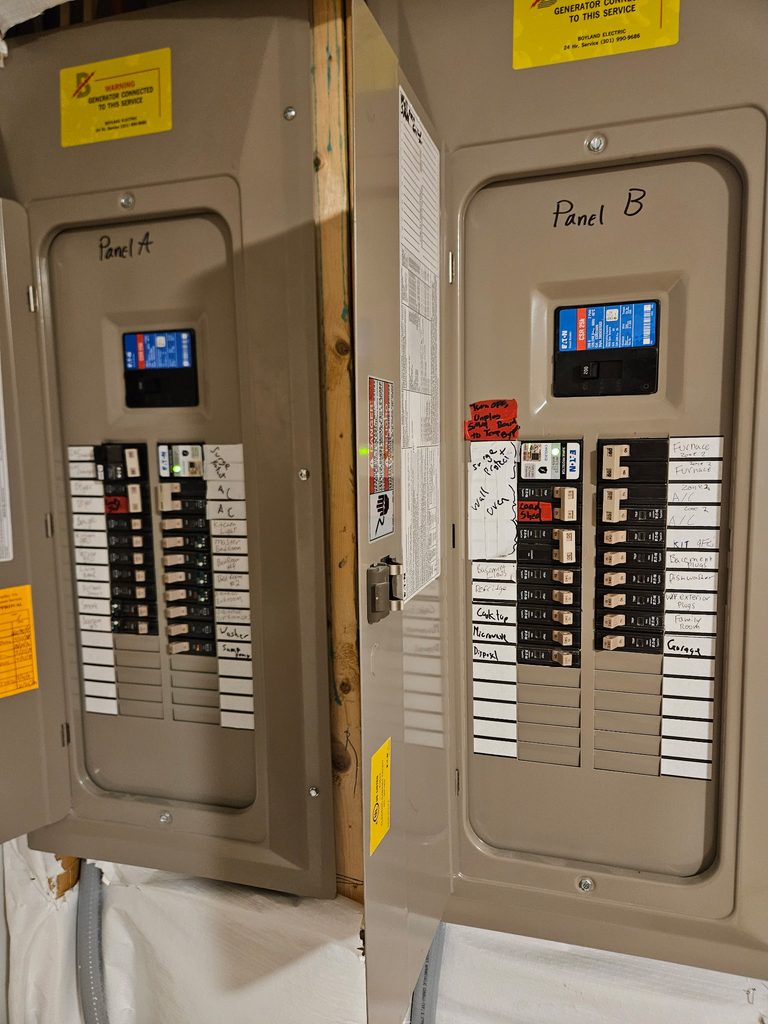
Repeatedly resetting a breaker without finding out why it is tripping is a bad approach. Breakers are protective devices, and repeated trips can indicate overloads, faults, damaged equipment, wiring problems, or a failing breaker. A licensed electrician can measure current and determine what is actually causing the trip.
Flickering or Dimming Lights Can Point to an Electrical Problem
Lights that briefly dim when a large appliance starts are not always proof of panel overload. Motors and compressors can draw higher current during startup, and small voltage changes may sometimes be noticeable.
Persistent or significant dimming is different. Lights that repeatedly change brightness when appliances operate can be associated with overloaded circuits, voltage drop, loose connections, service problems, or neutral conductor issues. Some of those conditions can be more serious than a simple capacity shortage.
Pay particular attention when lighting behavior changes suddenly in a home that previously had stable power. An electrician should inspect unexplained flickering, especially when it affects multiple areas of the house.
Heat, Burning Odors, or Discoloration Need Immediate Attention
A panel cover should never be unusually hot, and you should not smell burning plastic or insulation around electrical equipment. Buzzing, crackling, visible scorching, melted components, or discoloration around breakers can indicate overheating or poor electrical connections.
Loose electrical connections can create resistance and concentrated heat without producing the type of overload people normally imagine. That is one reason visual symptoms alone cannot confirm whether the problem is service capacity, a branch circuit, a breaker, a connection, or another defect.
Do not remove the panel cover to investigate. Energized components inside an electrical panel can remain hazardous even when individual branch breakers are switched off. Burning odors, smoke, arcing sounds, or excessive heat should be treated as urgent electrical problems and evaluated by a qualified electrician.
Your Home May Have Outgrown Its Original Electrical Service
Older homes were often designed around very different electrical demands. A property may have added central air conditioning, an electric dryer, a larger kitchen, a basement suite, a workshop, or other major loads long after the original electrical system was installed.
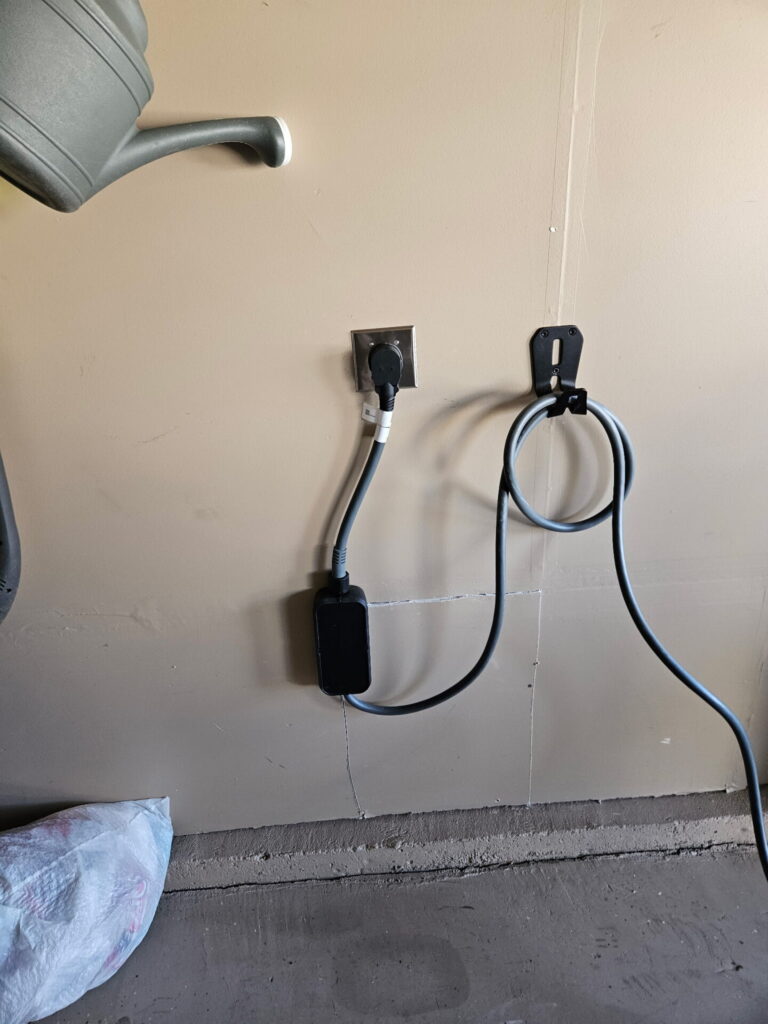
EV charging is another common reason homeowners reassess available capacity. A Level 2 charger can represent a substantial new load, and installing one is not simply a matter of finding an empty breaker space.
A Good Electrician LLC can evaluate available electrical capacity and, when needed, provide panel upgrades and EV charger installations for Northern Virginia homes. Electrical panel and EV charger installations should ideally be performed by trained, licensed electricians who can verify load requirements, equipment ratings, permits, and applicable electrical codes.
An Electrical Panel Can Be Full Without Being Overloaded
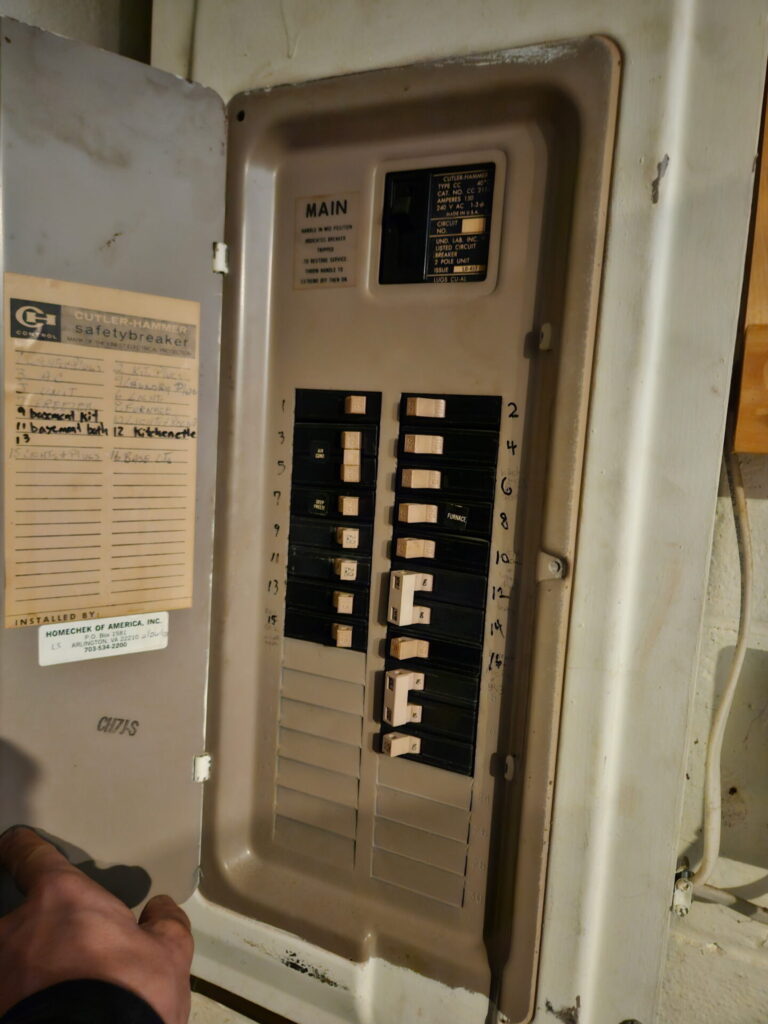
A full panel and an overloaded panel are not the same thing. A panel may have every breaker position occupied yet still operate within the calculated capacity of the electrical service. Another panel might have several unused spaces but lack enough service capacity for a proposed high-demand load.
Breaker spaces tell an electrician how much physical room is available for circuits. They do not tell the whole story about electrical capacity.
Adding tandem breakers is also not a universal solution. Only panels specifically listed for the appropriate breaker configuration should use them, and creating physical breaker space does nothing to increase the ampacity of the electrical service.
Breaker Size Alone Does Not Tell You How Much Capacity Is Available
Seeing a 200-amp main breaker does not mean a homeowner can simply add up to 200 amps of breaker ratings. Branch breaker ratings are not added together to determine service demand because appliances and circuits do not all operate at maximum load simultaneously.
Electricians use load calculations based on the home’s electrical loads and the rules applicable to those loads. The calculation can account for general lighting and receptacle loads, fixed appliances, cooking equipment, heating and cooling equipment, EV charging, dryers, and other significant electrical demand.
This becomes especially important before adding major equipment. Guessing based on spare breaker spaces can lead to incorrect conclusions about whether the existing service can support the new load.
Overloading Can Sometimes Be a Circuit Problem Rather Than a Panel Problem
Homeowners often assume they need a larger panel when one breaker keeps tripping. Sometimes the better solution is correcting how loads are distributed.
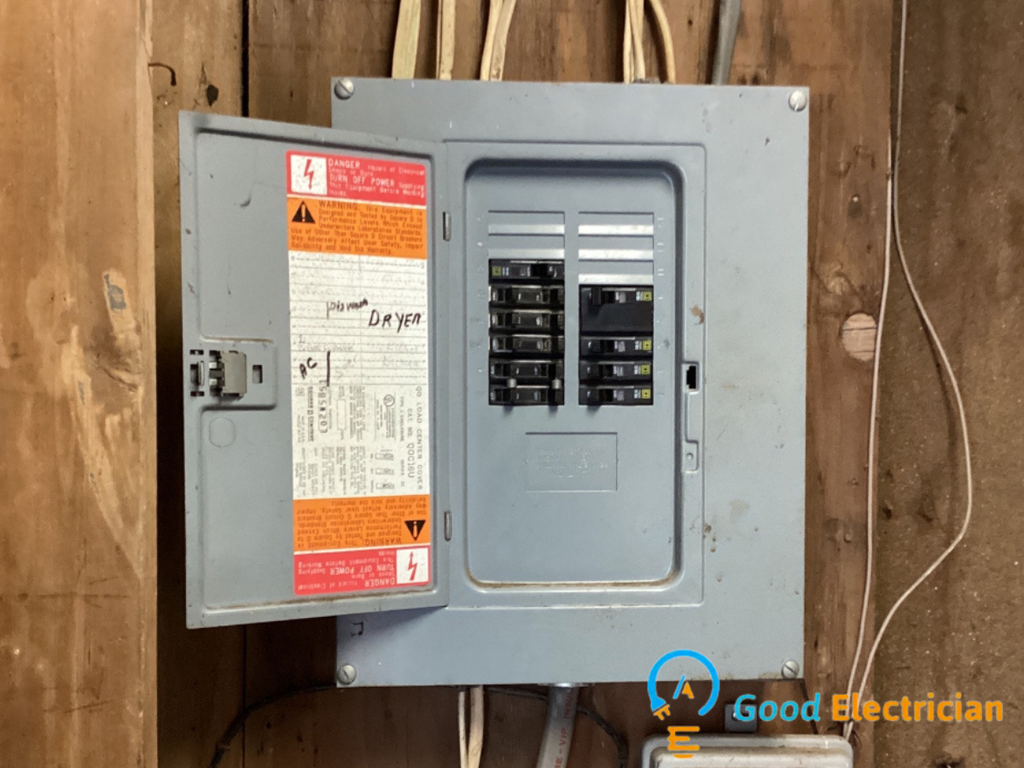
A high-demand appliance sharing a circuit with other equipment may need a dedicated circuit. Remodeling can also reveal older circuit layouts that no longer make sense for current electrical use. Testing the affected circuit helps determine whether redistribution, a new circuit, equipment repair, or a larger electrical upgrade is appropriate.
Any new circuit installation or modification inside a panel should ideally be completed by a trained electrician. Correct conductor sizing, breaker selection, grounding, bonding, torque specifications, and code requirements all matter to safe operation.
Signs of Trouble Can Exist Without Breaker Trips
A breaker that never trips does not prove everything is healthy. Damaged breakers, loose terminations, deteriorated equipment, incorrect breaker types, oversized breakers, or wiring modifications can create unsafe conditions that are not identified simply by waiting for a breaker to open.
Older panels may also contain years of undocumented electrical changes. Home additions, renovated kitchens, finished basements, and previous DIY work can leave a system very different from its original configuration.
Professional evaluation becomes especially worthwhile when buying an older property, planning a major remodel, converting appliances from gas to electric, installing a heat pump, or adding other substantial electrical loads.
How an Electrician Checks Whether a Panel Is Overloaded
A proper assessment goes beyond looking at the number printed on the main breaker. An electrician can review the service rating, panel rating, conductor sizes, breaker configuration, connected equipment, and current electrical demand.
Load calculations help determine whether the existing service can support current or proposed loads. Electrical measurements may also be used when diagnosing specific operating problems. The electrician can inspect for overheating, loose connections, improper breakers, damaged components, and other conditions that may mimic or accompany overload symptoms.
This process matters because the correct fix depends on the cause. Some homes need a new dedicated circuit or load redistribution. Others may require a panel replacement, service upgrade, or an approved load-management solution. Panel replacements, service upgrades, and related electrical installations should ideally be handled by trained, licensed electricians and completed according to local permit, utility, and code requirements.
When Should You Have Your Electrical Panel Checked?
Schedule an electrical evaluation when breakers repeatedly trip, the main breaker trips, lights experience unexplained dimming, or the panel shows unusual heat, noise, odors, or discoloration. An inspection is also smart before adding a major electrical load when you are unsure whether the existing service has enough capacity.
Do not assume a larger breaker will solve an overload. Installing a breaker with a higher rating than the circuit conductors or equipment are designed to handle can defeat essential overcurrent protection and create a serious fire hazard.
Your electrical system should match the way your home actually uses power today. Identifying capacity problems early gives you the opportunity to correct overloaded circuits, address damaged components, and plan future electrical additions without relying on guesswork.