Do I Need a Panel Upgrade for a Level 2 EV Charger?
Buying an EV often leads to a practical electrical question: can your existing panel handle a Level 2 charger, or will the charging setup require a panel upgrade?
The answer depends less on the age or physical size of the panel and more on the electrical capacity available after the home’s existing loads are considered. A 200-amp panel does not automatically mean you have plenty of room, and a 100-amp service does not automatically mean an upgrade is required.
A proper load calculation, charger selection, and inspection of the existing electrical system usually determine the right answer. Homeowners in Northern Virginia who need help evaluating this can have A Good Electrician LLC assess panel capacity and Level 2 EV charger requirements before deciding whether an upgrade is necessary.
Any EV charger installation, new circuit, panel modification, or service upgrade should ideally be performed by a trained, licensed electrician and completed according to applicable electrical codes, manufacturer requirements, permitting rules, and utility requirements.
What Does a Level 2 EV Charger Require?
Level 2 EV charging uses a 240-volt circuit, similar in voltage to many electric ranges, dryers, and other larger household loads. The actual electrical demand varies considerably depending on the charging equipment and the amperage selected.
Common Level 2 charging rates include 16, 24, 32, 40, and 48 amps. Higher charging amperage generally provides faster charging, but it also places a larger demand on the home’s electrical system.
EV charging is generally treated as a continuous load under the National Electrical Code. That means the branch circuit needs to be sized accordingly. A charger drawing 32 amps, for example, commonly uses a 40-amp circuit. A 40-amp charging load commonly requires a 50-amp circuit, and a 48-amp charging load typically requires a 60-amp circuit.
That does not mean every EV owner should install the highest-amperage charger available. Daily driving habits, the vehicle’s onboard charging capability, overnight charging time, and available electrical capacity should all influence charger sizing.
Your Panel Rating Is Only Part of the Answer
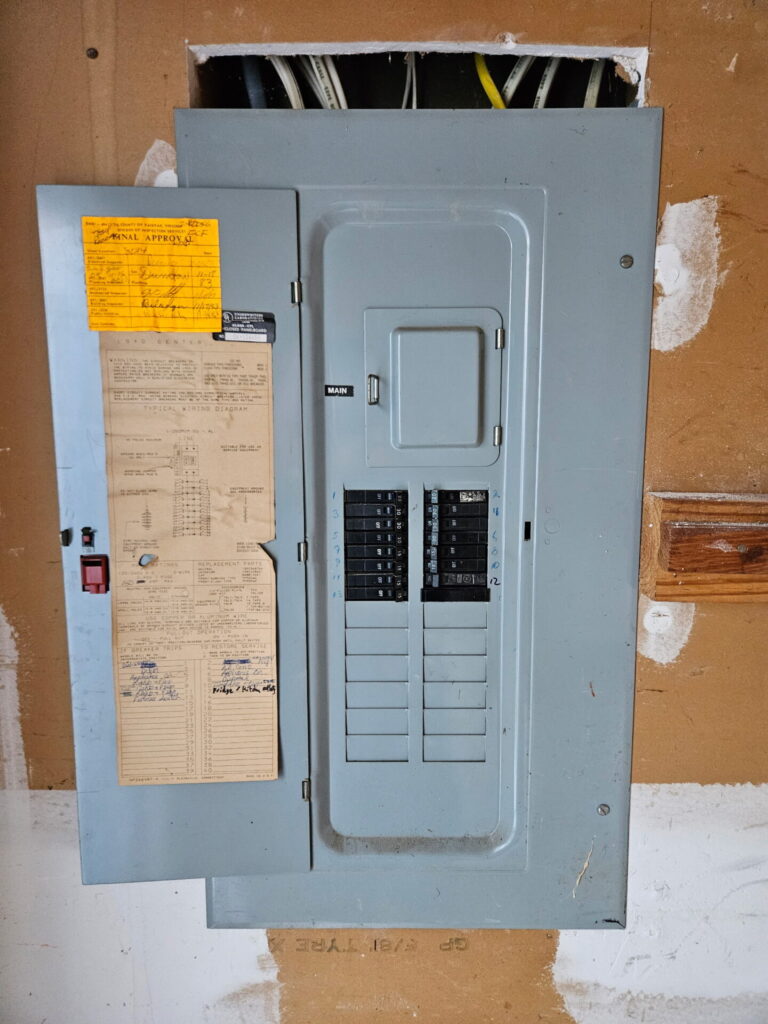
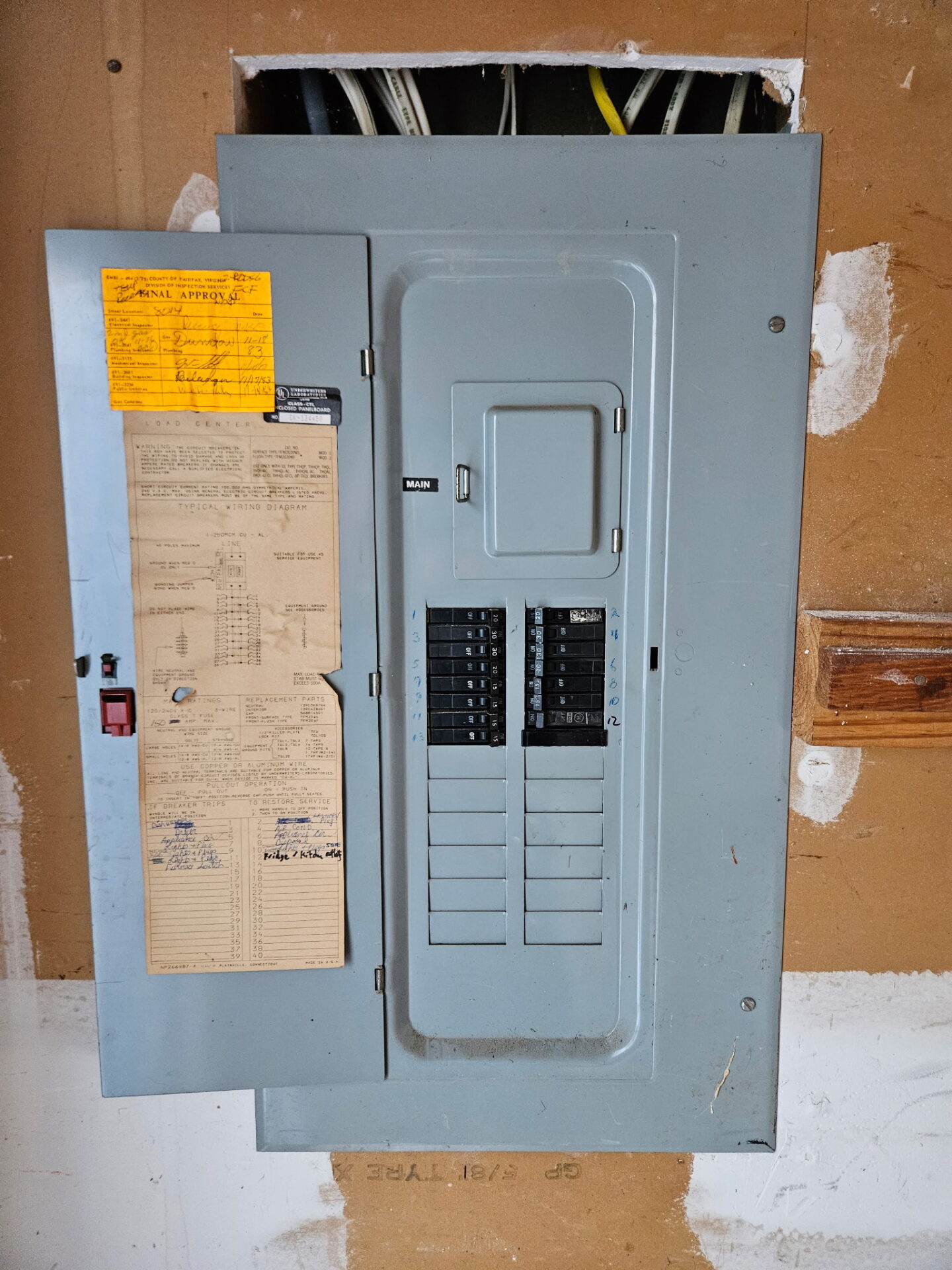
Homeowners often look at the main breaker and assume that number settles the issue. A 200-amp main breaker may appear to leave plenty of capacity for EV charging, but the home’s existing electrical loads still matter.
A house with electric heat, central air conditioning, an electric water heater, range, dryer, hot tub, pool equipment, and other major loads can use a significant portion of its available service capacity. Adding another large continuous load without checking the numbers can create a problem.
The same principle applies to 100-amp services. Some homes with 100-amp electrical service can support appropriately sized Level 2 charging without a full service upgrade. Others cannot.
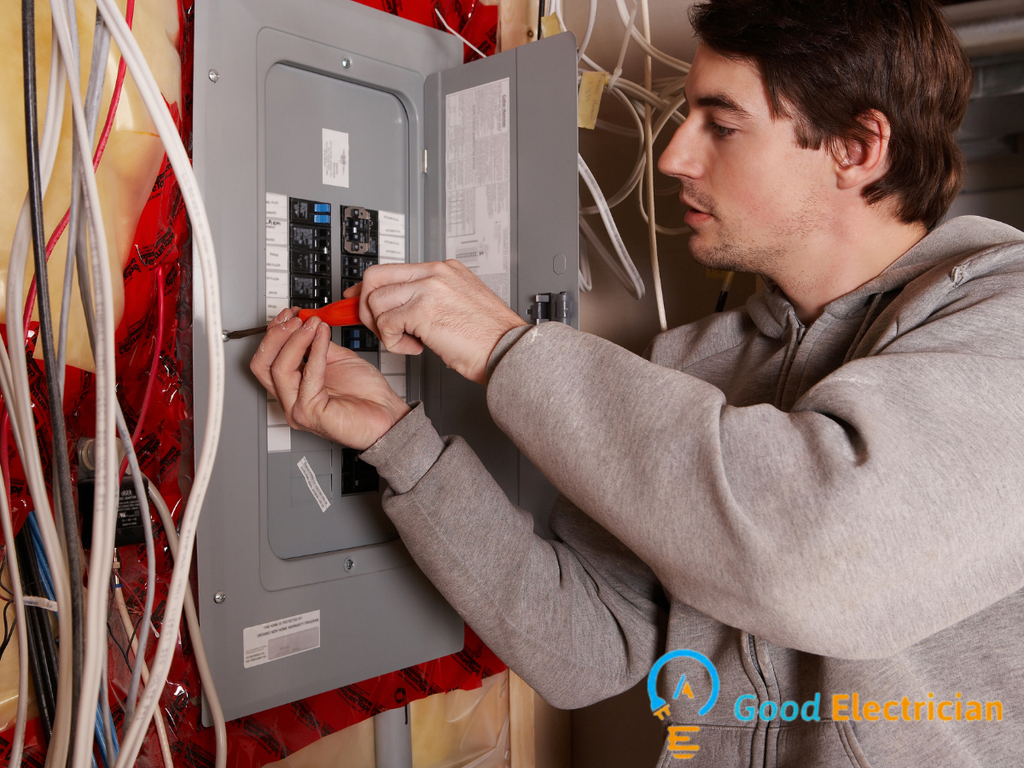
Electricians use an electrical load calculation rather than simply adding the ratings printed on every breaker. The calculation accounts for the home’s loads using methods established by the electrical code. This gives a much more useful picture of whether the existing service can safely support EV charging.
Signs a Panel Upgrade May Be Necessary
A panel or electrical service upgrade becomes more likely when the existing system is already close to its calculated capacity. Adding a 40-, 50-, or 60-amp EV charging circuit can push a heavily loaded electrical service beyond what it is designed to support.
Physical condition matters too. An outdated, damaged, improperly modified, or unsuitable panel may need replacement regardless of whether the mathematical load calculation technically leaves room for another circuit. Limited breaker space can also affect the installation, though a lack of empty spaces by itself does not always require increasing the home’s service amperage.
Future electrification plans deserve consideration as well. A homeowner planning to add a heat pump, induction range, electric water heater, second EV, workshop equipment, or other major electrical loads may choose to increase service capacity rather than design around today’s minimum requirements.
The goal should be to determine what the electrical system can safely support, not simply whether another breaker can physically fit inside the panel.
A Full Panel Upgrade Is Not Always the Only Option
One of the biggest changes in residential EV charging is the growing availability of energy-management solutions. A home that cannot support a high-power EV charger as a permanently available load may still have options that avoid an immediate service upgrade.
Certain listed energy-management systems can monitor electrical demand and control EV charging so the home’s service is not overloaded. Depending on the equipment and installation design, charging power can be reduced or temporarily interrupted when household electrical demand becomes high.
Another option is simply installing a lower-amperage Level 2 charging circuit. A driver who parks at home for ten or twelve hours every night may not need 48-amp charging. Lowering charging power can substantially reduce the additional electrical capacity required while still replenishing typical daily driving overnight.
These solutions need to be selected and installed correctly. Electrical load management, EV circuits, breaker changes, panel work, and charger installations should ideally be handled by qualified electricians familiar with current code requirements and the specific equipment being installed.
Breaker Space and Electrical Capacity Are Different Problems
Seeing an empty breaker position in the panel does not prove that the electrical service has enough capacity for an EV charger. Breaker spaces tell you whether there is physical room for additional overcurrent protection. They do not tell you how much electrical load the service can support.
The reverse can also happen. A panel might have adequate calculated electrical capacity but no convenient breaker positions available. Depending on the panel and its listing, there may be code-compliant ways to address the space issue without increasing service capacity.
An electrician should also confirm that the panel is suitable for the proposed breaker and charging circuit. Breakers are not universally interchangeable, and installing an incorrect breaker simply because it appears to fit is unsafe.
Does a 200-Amp Panel Guarantee You Can Install Level 2 Charging?
No. A 200-amp service is common in newer and upgraded homes and often provides more flexibility for EV charging, but the service rating alone is not enough to approve a new circuit.
Consider two houses with identical 200-amp services. One may use natural gas for heating, cooking, clothes drying, and water heating. The other may have electric versions of all those appliances plus a hot tub and other substantial loads. Their available electrical capacity can be very different.
The charger itself also changes the calculation. Supporting a modest Level 2 charging load is different from adding a 48-amp continuous charging load.
This is why choosing the charger before evaluating the electrical system can sometimes lead homeowners toward unnecessary work. Determining the required charging speed and available capacity first makes equipment selection easier.
What About a 100-Amp Electrical Service?
A 100-amp service deserves careful evaluation, but homeowners should not assume that EV ownership automatically requires upgrading to 200 amps.
A smaller Level 2 charger may work well for a household with relatively modest electrical demand. Energy management may provide another route where appropriate. The available options depend on the home’s calculated load, existing equipment, charger requirements, local rules, and condition of the electrical system.
Older homes with 100-amp service may also have other conditions worth checking. The panel, grounding and bonding, service conductors, meter equipment, and previous electrical modifications can affect the scope of the project.
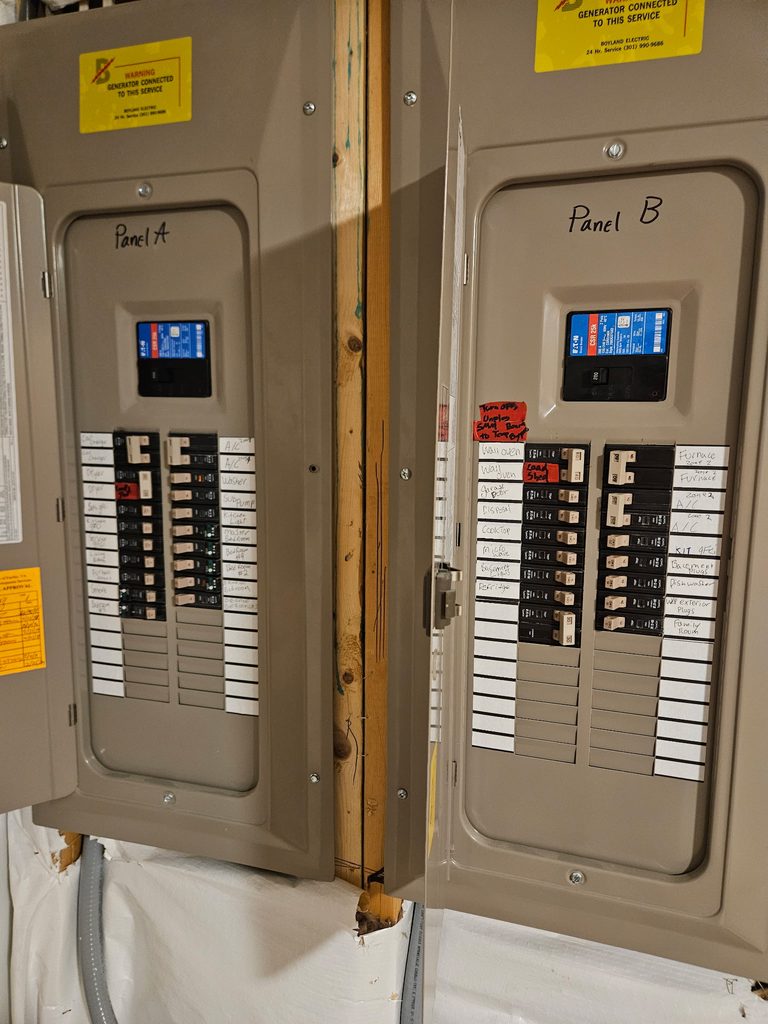
Upgrading to 200 amps can make sense when existing capacity is insufficient or substantial future electrical loads are planned. It should be based on actual electrical requirements rather than treated as an automatic prerequisite for Level 2 charging.
Hardwired Charger or Plug-In Charger?
Level 2 chargers can be hardwired or connected through an approved receptacle when the equipment permits it. The better choice depends on charging amperage, equipment instructions, installation location, local requirements, and homeowner needs.
Hardwiring eliminates the receptacle and plug connection and is commonly used for higher-output residential charging installations. Plug-in equipment can provide flexibility, but the receptacle, wiring, enclosure, breaker protection, and other components must be properly rated and installed.
Current electrical-code requirements can also affect GFCI protection and other aspects of receptacle-based EV charging installations. Local code adoption and amendments vary, so requirements should be verified for the specific property.
EV charging circuits and associated electrical work should ideally be installed by trained professionals rather than treated as a general-purpose DIY 240-volt project.
How an Electrician Determines Whether You Need an Upgrade
A useful EV charging assessment goes beyond looking at the panel door. The electrician should identify the service rating, inspect the panel and relevant electrical equipment, evaluate breaker space, review major household loads, and determine the proposed charger’s electrical requirements.
A load calculation can then establish whether the existing service has adequate capacity. The electrician can compare different charging amperages if the originally requested charging rate would exceed available capacity.
That process may lead to several possible outcomes: the existing panel can support the desired charger, a lower charging rate is more appropriate, an approved load-management solution can be used, panel work is required, or the electrical service needs to be upgraded.
Permits, inspections, utility coordination, equipment listings, and local code requirements may also apply depending on the work being performed.
So, Do You Actually Need a Panel Upgrade?
Many homeowners can install Level 2 EV charging without replacing or upgrading their electrical panel. Others genuinely need additional service capacity, particularly when the existing electrical system is heavily loaded or future electrification is planned.
The deciding factors are your home’s electrical load, service capacity, panel condition, available circuit space, desired charging amperage, and the charging equipment being installed. A 200-amp label should not be treated as automatic approval, just as a 100-amp label should not be treated as an automatic rejection.
Getting those details checked before purchasing charging equipment can prevent unnecessary upgrades and help avoid choosing a charger that demands more power than the home can comfortably support. Panel modifications, service upgrades, load-management equipment, and Level 2 EV charger installations should ideally be evaluated and completed by qualified electricians following current electrical codes, manufacturer instructions, and local permitting requirements.