Electrical Panel vs. Subpanel: What’s the Difference?
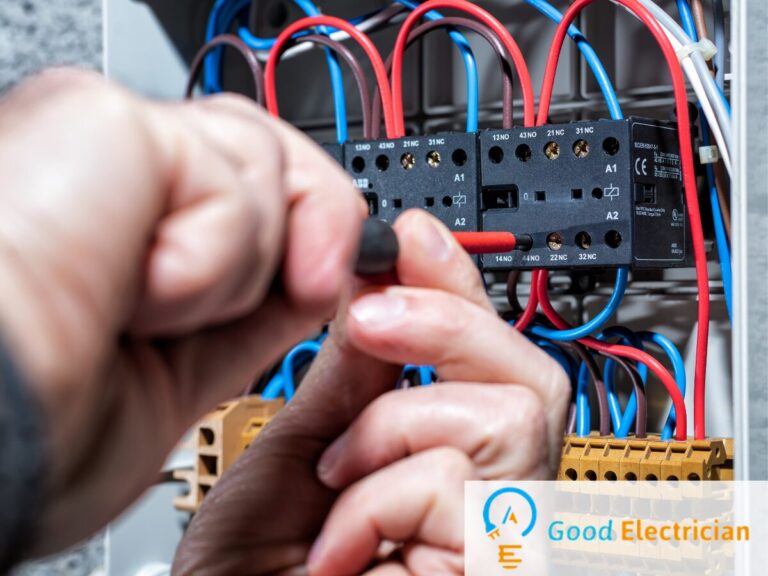
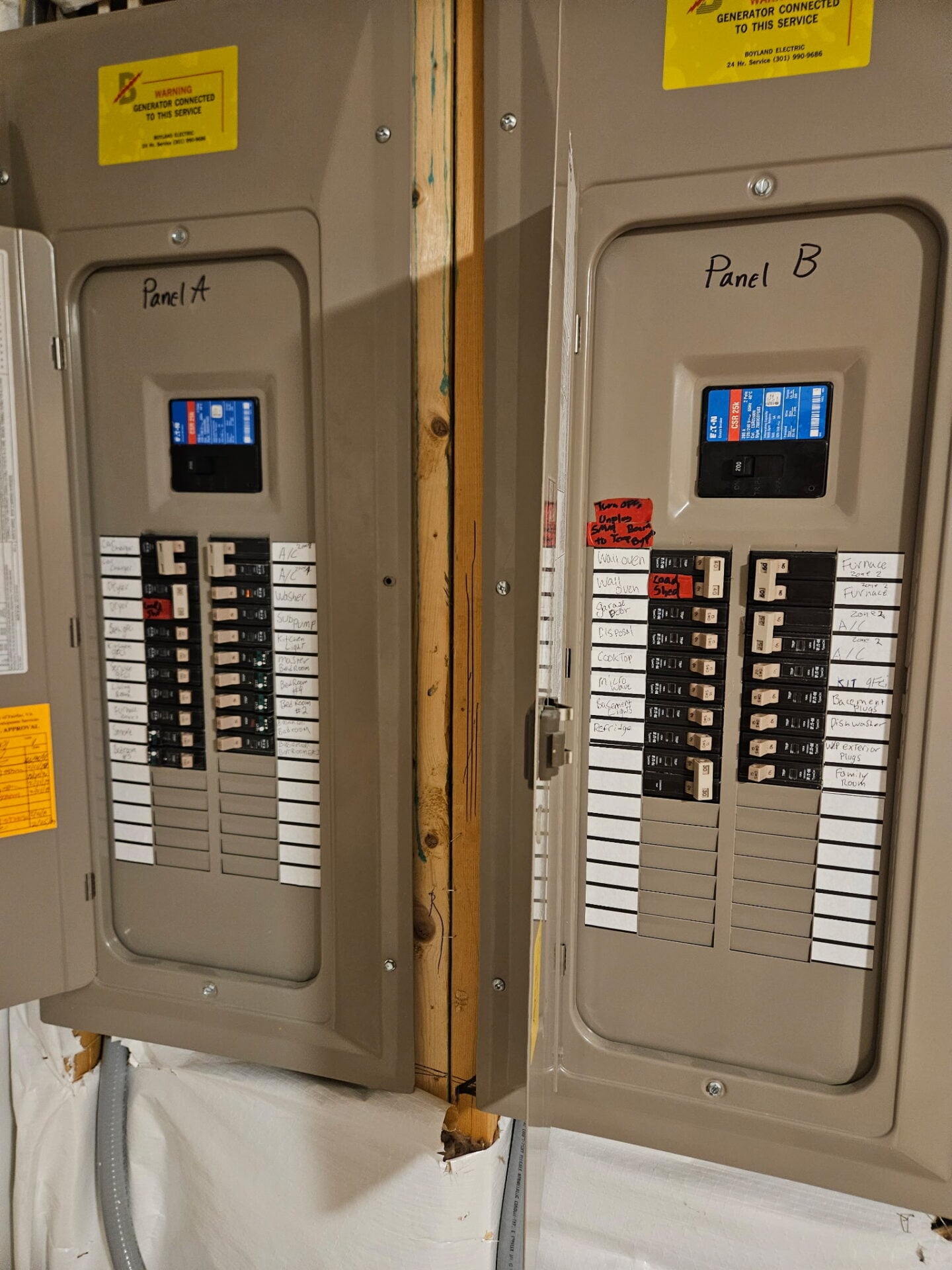
Your electrical panel and a subpanel may look similar, but they do different jobs within a home’s electrical system. The main panel is the primary distribution point for electricity entering the property, while a subpanel extends that distribution to another area or group of circuits.
Understanding the difference matters when adding an EV charger, finishing a basement, building a detached garage, installing new appliances, or planning other electrical upgrades. A Good Electrician LLC provides electrical panel and subpanel services in Northern Virginia when homeowners need professional help evaluating capacity or planning an upgrade. Any panel or subpanel installation, replacement, circuit modification, or internal electrical work should ideally be performed by a trained, licensed electrician in accordance with applicable electrical codes and permit requirements.
What Is an Electrical Panel?
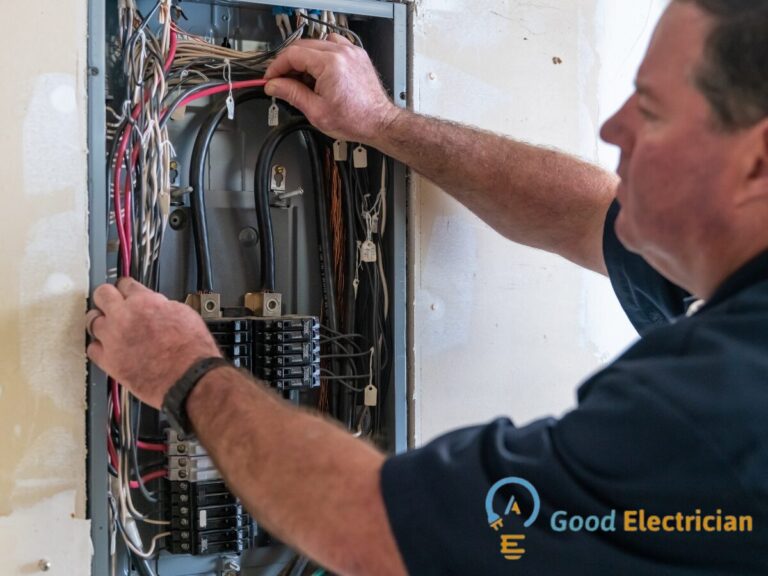
The electrical panel, commonly called the main panel, breaker panel, or service panel, distributes electrical power throughout the building. Power arrives from the utility through the electrical service equipment and is routed to individual branch circuits serving receptacles, lighting, appliances, HVAC equipment, and other loads.
Inside the panel are circuit breakers designed to protect wiring from excessive current. A breaker opens the circuit when current exceeds its rated limit under applicable conditions. This protection helps reduce the risk of overheated conductors, damaged equipment, and electrical fires.
Depending on the service configuration, the main panel may also be the location of the service disconnect. Modern homes commonly have 100-, 150-, 200-, or larger amp services, though the panel’s physical rating alone does not tell you how much additional electrical load can safely be added.
Determining available electrical capacity requires a proper load calculation and evaluation of the existing service. Changes inside a main panel or to service equipment should ideally be handled by a trained, licensed electrician.
What Is a Subpanel?
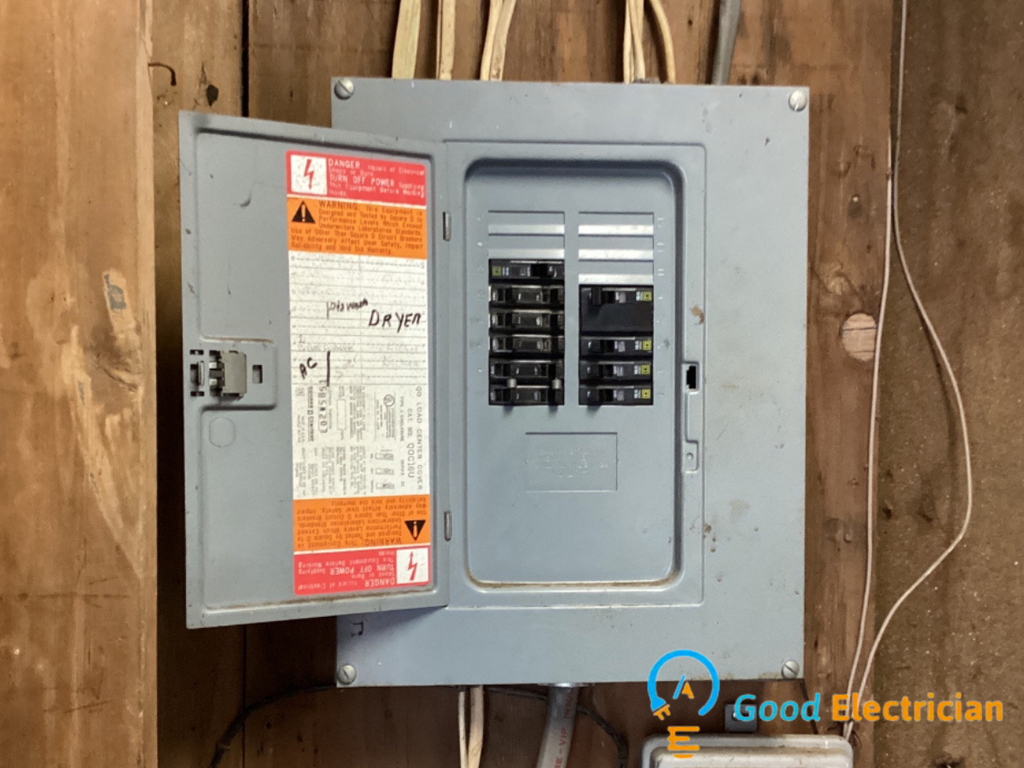
A subpanel is a secondary electrical distribution panel supplied from an upstream panel. Rather than receiving power directly as a separate utility service, it is normally fed by a breaker in the main panel or another approved upstream distribution point.
A subpanel contains breakers for the circuits assigned to it. A home might have a subpanel serving a basement renovation, workshop, addition, detached structure, or another section of the property. It can also provide additional breaker positions when the electrical design calls for more branch circuits.
One important technical difference involves neutral and grounding arrangements. Downstream of the service disconnect, neutrals and equipment grounding conductors are generally kept isolated from each other. A properly configured subpanel therefore typically has an isolated neutral bar and a separate grounding bar, subject to the applicable code and system configuration.
Installing or modifying a subpanel involves conductor sizing, feeder protection, grounding and bonding requirements, working clearances, panel ratings, and other safety considerations. This work should ideally be completed by a trained, licensed electrician.
Main Panel vs. Subpanel: The Major Differences
The biggest difference is where each panel sits within the electrical distribution system. The main service equipment is associated with the incoming electrical service and the building’s primary service disconnecting arrangement. A subpanel sits downstream and receives power through a feeder.
Grounding and bonding requirements are another major distinction. At the service disconnect, the grounded conductor, commonly called the neutral, is bonded as required by the applicable electrical system design and code. At downstream subpanels, neutral and equipment grounding conductors generally remain separated to prevent objectionable current from flowing on grounding paths and metal components.
Capacity also works differently. A 100-amp subpanel does not automatically add 100 amps of utility capacity to a home. It simply provides a distribution point with a particular rating and feeder configuration. The total electrical demand still has to remain within the capacity of the service, feeders, equipment, and conductors.
Breaker space is another source of confusion. A main panel can have adequate service capacity but lack convenient spaces for additional circuits. A subpanel can sometimes address circuit-distribution needs, but it cannot fix an undersized electrical service by itself.
Does Adding a Subpanel Increase Your Home’s Electrical Capacity?
No. Adding a subpanel does not automatically increase the amount of electricity available from the utility service. Think of it as creating another distribution point for capacity that already exists.
This distinction has become especially important as homes add larger electrical loads. EV charging equipment, electric water heaters, heat pumps, induction ranges, hot tubs, workshops, and other equipment can significantly change calculated demand.
Before adding major loads, an electrician may perform a load calculation using the applicable National Electrical Code requirements and local rules. The calculation helps determine whether the existing service and distribution equipment can support the proposed load or whether other changes are necessary.
A subpanel installation should ideally be designed and performed by a trained, licensed electrician. Panel space alone should never be treated as proof that enough electrical capacity is available.
When Does a Subpanel Make Sense?
Subpanels are useful when circuits need to be distributed more efficiently. A large addition with numerous lighting, receptacle, HVAC, and appliance circuits may be easier to serve from a nearby subpanel rather than running every branch circuit back to the main panel.
Detached garages and workshops are another common application. A properly designed feeder can supply a panel at the separate structure, allowing individual circuits to be distributed locally. Separate-building installations have specific grounding, feeder, disconnecting, and code requirements that must be addressed during design.
Subpanels can also make sense during major renovations where numerous new circuits are being installed. The decision should be based on electrical demand, feeder requirements, panel locations, available space, accessibility, and future plans rather than breaker count alone.
Any new subpanel, feeder, grounding system, or associated circuit installation should ideally be completed by a trained, licensed electrician and inspected where required by the local authority having jurisdiction.
When Is a Main Panel Upgrade the Better Choice?
A main panel or service upgrade may be appropriate when the existing equipment cannot safely support planned electrical demand, is obsolete or damaged, has insufficient ratings, or needs replacement as part of a larger service modification.
Older homes deserve careful evaluation before major electrification projects. A house that was designed around gas heating, gas cooking, and relatively modest electrical loads may require significant changes when several high-demand electric appliances are added.
Physical condition matters too. Corrosion, heat damage, damaged bus components, loose connections, water intrusion, or known problematic equipment can require professional attention regardless of whether more circuits are needed.
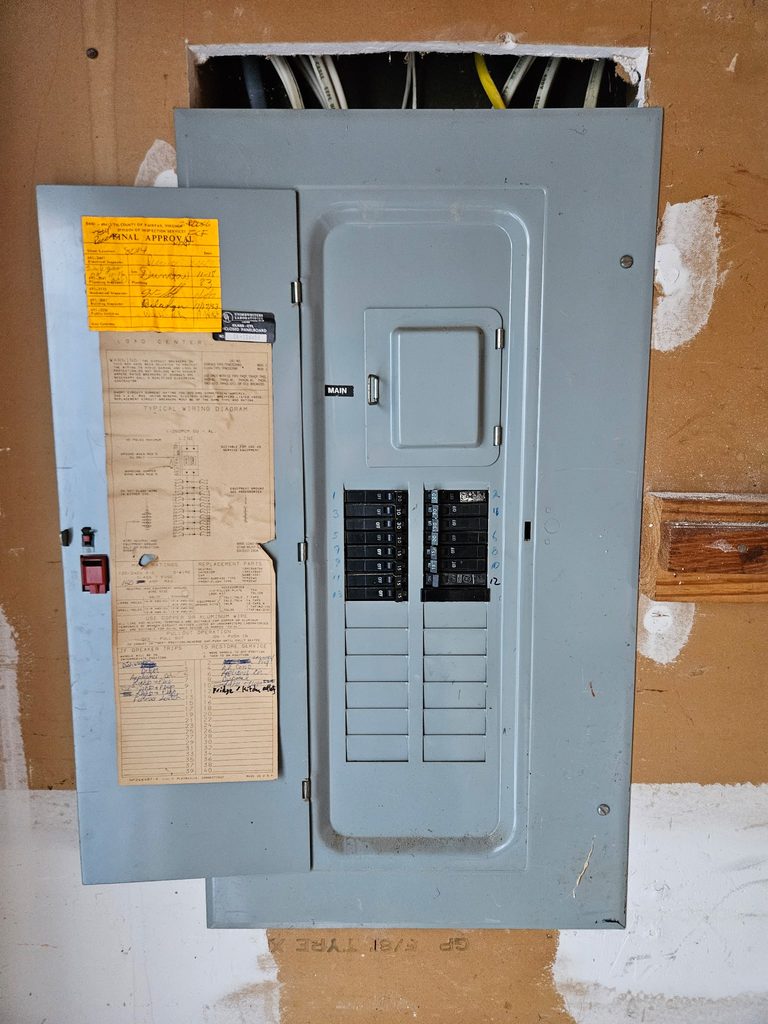
Main panel and service upgrades involve energized utility-side equipment and serious shock and arc-flash hazards. They should ideally be planned and performed by qualified, licensed electrical professionals with the required permits, utility coordination, and inspections.
Can a Subpanel Be Installed Anywhere?
Location is governed by electrical code requirements and practical safety considerations. Panels require suitable working space, adequate accessibility, appropriate environmental protection, and compliant mounting. Certain locations are restricted or unsuitable for panel installation.
Feeder distance also matters. Placing a subpanel closer to the circuits it serves can reduce long branch-circuit runs, but the feeder itself must be properly sized and installed. Detached structures introduce additional requirements that do not necessarily apply to a subpanel located inside the same building.
Modern electrical work may also involve requirements for AFCI protection, GFCI protection, surge protection, grounding, labeling, and other measures depending on the project and adopted code edition. Local amendments can change what is required from one jurisdiction to another.
Panel placement and installation should ideally be determined and completed by a trained, licensed electrician rather than chosen solely for convenience.
How to Tell Whether You Need a Panel Upgrade or a Subpanel
Start with the reason you need additional electrical work. If the main issue is organizing or distributing additional circuits and the existing service has sufficient calculated capacity, a subpanel may be a practical option. If the electrical service cannot support the expected demand, simply adding another panel will not solve the underlying capacity limitation.
An electrician should review the service rating, existing loads, proposed loads, panel condition, breaker spaces, feeder sizes, grounding and bonding, and installation conditions. Future plans also matter. Preparing for an EV, electric HVAC system, workshop equipment, or additional dwelling space can influence the best design today.
Avoid judging capacity by looking only at the main breaker number or the number of empty breaker positions. Electrical systems have to be evaluated as a complete distribution system, with conductor ratings, calculated loads, equipment ratings, and code requirements considered together.
The Bottom Line
A main electrical panel serves as a primary distribution point associated with the home’s electrical service, while a subpanel is a downstream distribution panel supplied by a feeder. A subpanel can provide more circuit locations and place distribution closer to the loads, but it does not automatically increase the home’s available electrical service capacity.
Choosing between a subpanel and a main panel upgrade depends on load calculations, existing equipment, available breaker space, feeder requirements, future electrical demand, and local code requirements. A professional evaluation is the safest way to determine which approach fits the property.
Electrical panels contain potentially lethal voltage and can remain hazardous even when individual breakers are switched off. Installation, replacement, troubleshooting, and internal panel modifications should ideally be performed by trained, licensed electricians using the permits and inspections required by the local jurisdiction.