Difference Between an Extension Cord and a Power Strip
Homeowners plug devices into extension cords and power strips every day, yet many people assume these two tools serve the same purpose. They look somewhat similar, both provide additional outlets, and both plug into a wall receptacle. That similarity leads to frequent misuse, which can create electrical hazards, overloaded circuits, and damaged equipment.
Professional electricians often see problems caused by incorrect usage. Melted insulation, overheated cords, and tripped breakers frequently trace back to using the wrong device for the job. Electrical accessories may appear simple, yet their design and purpose are very different.
Electrical safety matters in every home. Projects like installing dedicated outlets, adding new circuits, or upgrading panels should be handled by licensed professionals. A company such as A Good Electrician often helps homeowners correct unsafe wiring setups and ensure outlets and circuits support modern electrical loads safely.
Understanding the real difference between an extension cord and a power strip helps prevent overloaded circuits, fire hazards, and damaged electronics. A closer look at their design, purpose, and limitations shows why choosing the right one matters.
What Is an Extension Cord?
An extension cord is a flexible electrical cable designed to temporarily extend the reach of a wall outlet. One end plugs into the outlet, while the other end provides one or more receptacles. The main goal is distance rather than distribution.
Extension cords allow electricity to reach devices that sit farther away from a wall outlet. Power tools in a garage, holiday lighting outdoors, or equipment in a workshop often require temporary reach that fixed wiring cannot provide. This mobility makes extension cords useful in many situations.
Cord construction varies depending on the application. Light duty cords support small devices such as lamps or phone chargers. Heavy duty cords contain thicker copper conductors and stronger insulation to handle tools, heaters, or outdoor equipment. Gauge rating plays a major role in capacity. Lower gauge numbers mean thicker wires and higher current capability.
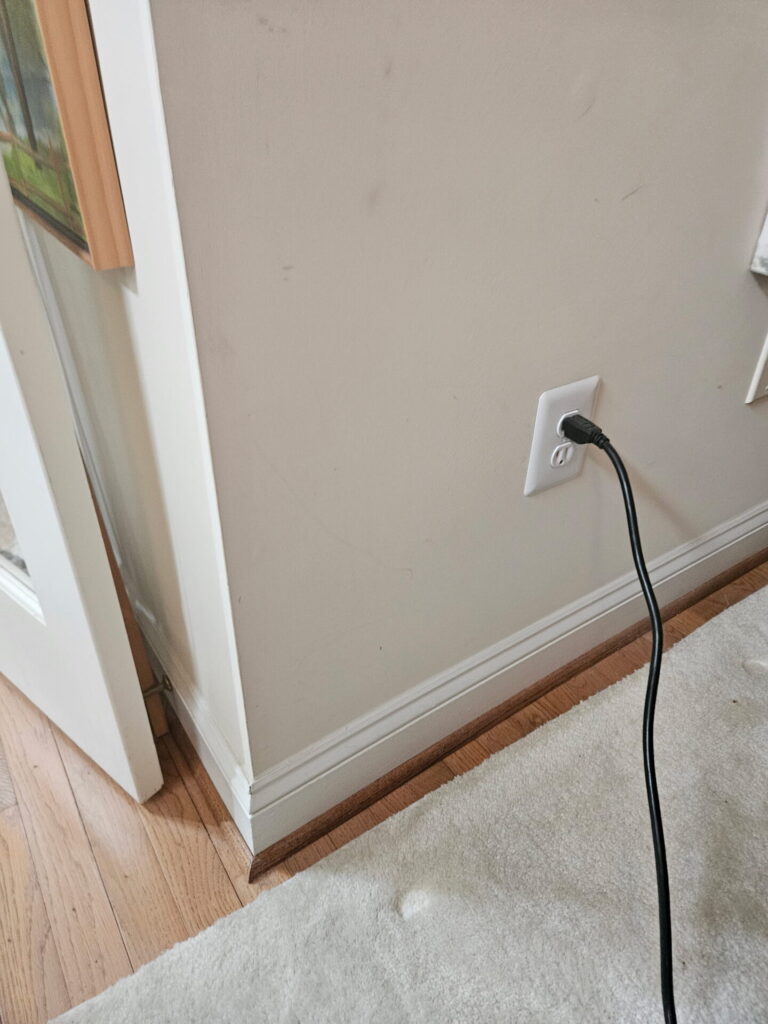
Length also affects electrical performance. Longer cords introduce voltage drop, which means less voltage reaches the device. Sensitive electronics or motors may perform poorly if the voltage falls too low. Electricians usually recommend selecting the shortest cord that safely reaches the equipment.
Extension cords are meant for temporary use. Permanent reliance on them signals that a home needs additional outlets or dedicated circuits. Running cords under carpets or through walls increases heat buildup and damage risk.
What Is a Power Strip?
A power strip is a device designed to expand the number of outlets available from a single wall receptacle. It typically includes several sockets arranged along a rigid housing. A short power cord connects the strip to the wall outlet.
Power strips solve a distribution problem rather than a distance problem. Many electronics sit close together, such as televisions, gaming consoles, routers, and streaming devices. A single outlet cannot support all of those plugs at once. A power strip allows multiple devices to connect safely in one location.
Modern power strips often include additional features. Surge protection is one of the most valuable upgrades. Surge protected strips contain internal components that absorb voltage spikes caused by lightning strikes, utility switching, or large appliances cycling on and off. These spikes can damage sensitive electronics instantly.
Some power strips also include USB charging ports, individual switches, or energy saving features that shut off idle devices. Those features add convenience, yet the electrical capacity still depends on the rating of the strip and the wall circuit.
Despite their usefulness, power strips still draw electricity from one outlet. Plugging several high wattage appliances into the same strip can overload the circuit even if the strip itself has many outlets.
Key Design Differences
Extension cords and power strips differ significantly in structure and function. The design of each product reflects its intended purpose.
An extension cord focuses on mobility. Its flexible cable allows devices to operate farther from a wall outlet. The number of outlets is often limited to one or two, since the main goal is extending reach rather than supporting multiple devices.
Power strips focus on outlet expansion. The cord length is usually short since the strip is expected to sit close to the outlet. The housing contains multiple receptacles arranged along the strip, allowing several devices to share the same outlet.
Electrical protection also differs. Most extension cords offer no surge protection or circuit interruption features. Power strips frequently include built in protection components that guard electronics against voltage spikes.
Cord thickness varies widely. Extension cords used for tools often have thick insulation and heavy gauge wiring. Power strips usually contain lighter wiring designed for electronics rather than heavy machinery.
These structural differences explain why each device serves a specific role.
Electrical Load Capacity and Limitations
Electrical load capacity is one of the most important differences between these devices. Understanding this concept helps prevent overheating and fire hazards.
Every electrical device draws a certain amount of current measured in amps. A typical household circuit supplies 15 or 20 amps depending on the breaker and wiring. Both extension cords and power strips must operate within those limits.
Extension cords are rated based on wire gauge and insulation type. A 16 gauge cord might support around 13 amps for short distances, while a 12 gauge cord can safely handle heavier loads such as power tools or outdoor equipment. Using a cord that is too light for the load can cause overheating.
Power strips typically carry a rating of 15 amps, matching the capacity of a standard household outlet. That rating represents the combined load of every device connected to the strip. A space heater drawing 12 amps and several electronics drawing additional current can easily exceed this limit.
Many homeowners underestimate the electrical demand of appliances. Heaters, microwaves, hair dryers, and portable air conditioners consume significant power. Those appliances should never be connected through power strips or lightweight extension cords.
When installing new outlets or circuits to support higher loads, the work should be completed by licensed electricians to ensure compliance with electrical codes and safety standards.
Common Misuses That Create Hazards
Misusing extension cords and power strips is one of the most common electrical safety issues inside homes. Several habits appear harmless yet create serious risks.
Daisy chaining is a frequent problem. This happens when one power strip plugs into another strip or extension cord. The setup increases resistance, raises heat levels, and bypasses the safety design of the devices.
Running cords under carpets or rugs creates another hazard. Insulation traps heat and prevents airflow. Constant foot traffic can also damage the cord insulation and expose wiring.
Using indoor rated cords outdoors presents additional danger. Outdoor cords contain thicker insulation and moisture resistance designed to withstand weather conditions. Indoor cords lack that protection.
Plugging high wattage appliances into power strips also causes many overheating incidents. Space heaters, refrigerators, microwaves, and window air conditioners should always connect directly to wall outlets.
Electrical fires caused by overloaded cords often develop slowly. Insulation softens, connectors loosen, and heat builds up until ignition occurs.
When an Extension Cord Is the Right Choice
Extension cords serve best when distance is the main challenge. Workshops, garages, yards, and construction areas often require temporary reach for tools or equipment.
Heavy duty cords work well with saws, drills, pressure washers, and outdoor lighting. Choosing the correct gauge prevents voltage drop and overheating. Outdoor rated cords also protect against moisture and sunlight damage.
Temporary holiday lighting is another typical use. Decorations placed far from outlets require additional reach during seasonal setups.
Despite their usefulness, extension cords should not replace permanent wiring. Homes that rely on multiple cords across rooms usually need additional outlets installed in convenient locations.
Electricians often recommend installing dedicated circuits or extra receptacles to eliminate long cord runs that create tripping hazards and electrical strain.
When a Power Strip Is the Better Option
Power strips perform best when several low to moderate power devices sit close together. Entertainment centers, office desks, and computer stations are ideal situations.
Modern homes contain many electronics that operate at low current levels. Televisions, routers, streaming boxes, game consoles, and speakers rarely draw large amounts of power individually. A power strip allows these devices to connect safely to one outlet.
Surge protection adds another layer of security for sensitive electronics. Voltage spikes from lightning or grid fluctuations can damage circuits instantly. A quality surge protecting strip helps absorb that excess energy before it reaches the device.
Home offices benefit from organized cable management as well. A single strip keeps multiple power adapters in one place and reduces outlet clutter.
Heavy appliances still require direct wall connections even when a power strip is nearby.
Safety Tips for Using Both Devices
Safe usage begins with choosing quality equipment. Products certified by recognized testing laboratories offer reliable construction and proper safety standards.
Inspect cords and strips regularly for damage. Cracked insulation, loose plugs, or burn marks indicate overheating or wear. Damaged equipment should be replaced immediately.
Avoid stretching cords tightly across rooms. Tension can loosen internal wiring over time. Allowing a small amount of slack prevents strain on connectors.
Keep cords away from heat sources and water exposure. Moisture and high temperatures accelerate insulation breakdown.
Pay attention to the total load connected to any outlet. Electrical capacity limits apply regardless of how many devices plug into a strip or extension cord.
Permanent electrical improvements are often the best solution when outlets are insufficient. Installing new receptacles, upgrading circuits, or replacing outdated panels improves safety and convenience. Those installations should always be completed by trained electricians to ensure code compliance and safe operation.
Final Thoughts
Extension cords and power strips may look similar at first glance, yet their purpose and design differ greatly. Extension cords extend the reach of electricity, allowing devices to operate farther from outlets. Power strips expand the number of available outlets for electronics located close together.
Choosing the correct device reduces the risk of overloaded circuits, overheated wiring, and electrical fires. Understanding load limits, proper placement, and safe usage practices helps protect both the home and connected equipment.
Electrical accessories provide convenience, yet permanent wiring solutions often deliver the safest long term setup. Additional outlets and properly sized circuits eliminate many of the problems that lead homeowners to rely heavily on cords and strips. Licensed electricians can evaluate electrical demand and recommend upgrades that support modern technology safely.