Energy-Saving Tips for Your Home’s Electrical System
Improving your home’s energy efficiency isn’t just about cutting utility bills—it’s also about optimizing safety and performance. Today’s smart technology and modern electrical solutions offer real ways to reduce energy waste, lower your carbon footprint, and get more value out of every kilowatt. From outdated wiring to inefficient lighting, many homes are losing energy without even realizing it.
If you suspect your home’s electrical system is outdated or underperforming, our licensed team can help with professional upgrades tailored for efficiency and long-term reliability.
Let’s dive into the most practical and up-to-date strategies to help you save energy through your home’s electrical system.
Upgrade to Energy-Efficient Appliances and Systems
One of the most impactful changes you can make to your home’s electrical system is replacing older appliances with energy-efficient models. Devices like refrigerators, washing machines, dishwashers, and HVAC systems often account for the largest portion of household energy use. Older models tend to be less efficient, not just because of age-related wear, but because modern technology has significantly evolved.
Today’s ENERGY STAR-rated appliances are engineered to minimize energy consumption without sacrificing performance. For example, a modern refrigerator can use up to 40% less energy than models manufactured just 15 years ago. Likewise, newer heat pumps and air conditioning units often come with variable speed compressors that run more efficiently than traditional single-speed systems.
When you replace appliances, you’re not just swapping out machines—you’re optimizing how power is distributed and consumed within your electrical network. Over time, this leads to less strain on circuits, reduced overheating risk, and a lower chance of premature component failure
Switch to LED Lighting Throughout the Home
Lighting is often underestimated when people look at their electricity consumption. Traditional incandescent bulbs waste a significant portion of electricity as heat. Even compact fluorescent lamps (CFLs), though more efficient than incandescents, have largely been surpassed by LED technology.
LED bulbs use up to 85% less energy than incandescent ones and last up to 25 times longer. But the benefits don’t stop at the bulb itself. Smart LED lighting systems can be integrated into your home automation network, allowing you to schedule lights, dim them when not needed, or even control them remotely. The result is a lighting system that actively responds to your lifestyle and usage patterns, rather than just staying on and draining power unnecessarily.

To take this further, consider using LED-compatible dimmer switches and occupancy sensors. These not only reduce consumption but also add a layer of convenience and safety to your home.
Eliminate Phantom Loads from Standby Power
Phantom load—or standby power—is the electricity used by devices when they are turned off but still plugged in. Think televisions, cable boxes, gaming consoles, phone chargers, and kitchen appliances with digital clocks or standby modes. It’s estimated that the average household wastes anywhere from $100 to $200 annually on standby energy consumption.
Modern power strips, particularly those labeled as “smart” or “advanced,” allow you to control this wasted energy. Some models automatically cut power to devices that aren’t in active use, while others can be set on timers or remotely controlled via mobile apps. For entertainment centers, office setups, or charging stations, using a centralized power strip with energy-saving capabilities can dramatically cut down on this invisible drain.
Install a Smart Thermostat for Heating and Cooling Control
Heating and cooling represent one of the largest energy expenses in most homes. A smart thermostat doesn’t just set the temperature—it learns your preferences and adjusts accordingly. Some models use geofencing to track when you’re home and when you’re not, reducing HVAC usage when the house is empty. Others monitor weather patterns to proactively adjust settings.
By optimizing HVAC usage based on real-time behavior, a smart thermostat ensures your system runs only when necessary, with no more manual micromanagement. Some homeowners see savings of up to 10–15% on heating and cooling bills just from this one upgrade.
Just keep in mind: if you’re integrating a smart thermostat into an older HVAC system or electrical setup, installation should ideally be performed by a licensed electrician or HVAC technician to ensure compatibility and safety.
Prioritize Whole-House Surge Protection
While surge protection doesn’t reduce energy consumption directly, it plays a key role in preserving the lifespan of your electrical devices and maintaining system integrity. Small surges—whether from appliance cycling or external electrical events—can slowly degrade the internal components of electronics, forcing them to draw more power over time or fail prematurely.
Installing a whole-house surge protector at your main panel is a smart investment. It protects sensitive electronics, prevents data loss, and avoids the increased energy draw that often results from damaged components. For most homes, the cost of this upgrade is outweighed quickly by the savings in replacement costs and extended lifespan of key devices.
As always, installation at the breaker panel or service entrance should be left to a qualified professional.
Optimize Your Electrical Panel and Circuit Load Distribution
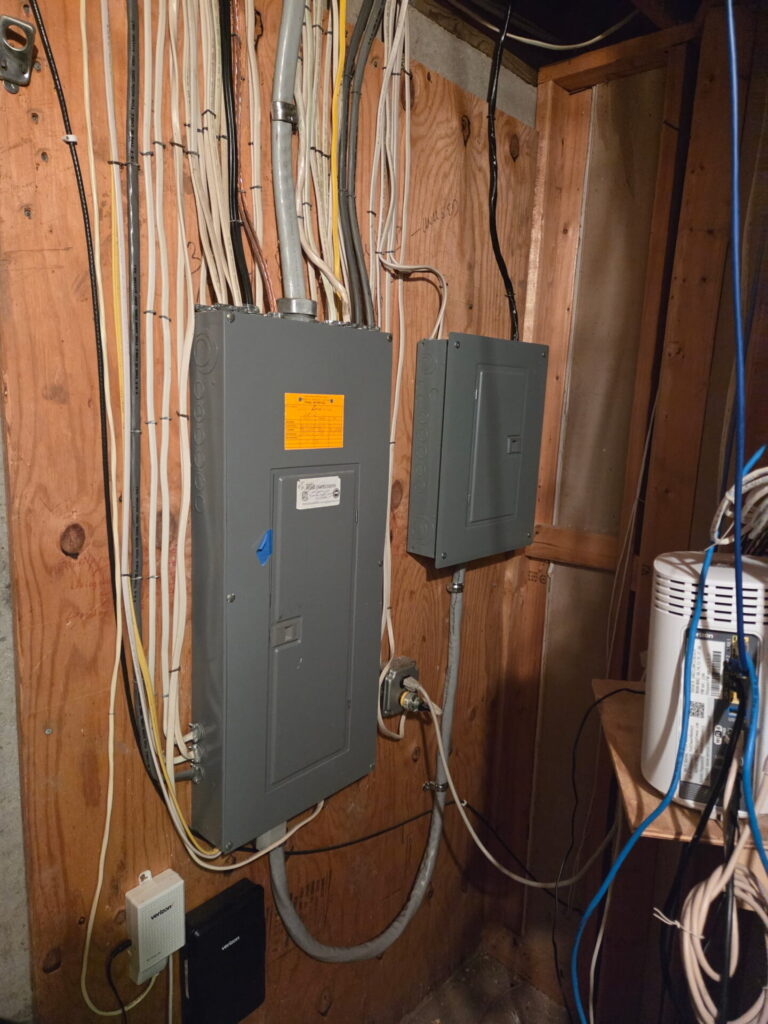
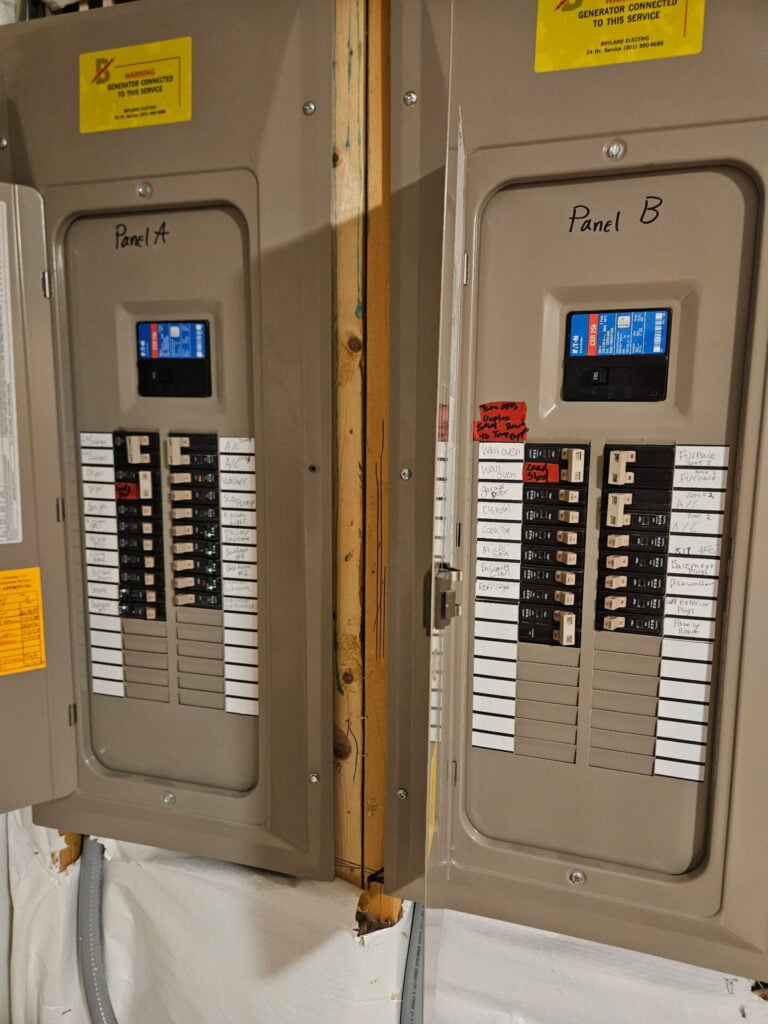
An overloaded or outdated electrical panel doesn’t just pose a safety risk—it also compromises energy efficiency. When circuits are poorly balanced or your panel is too small for your home’s actual load requirements, it can cause unnecessary resistance, heat buildup, and inefficient power distribution. These inefficiencies can result in flickering lights, tripped breakers, or premature wear on connected appliances.
Upgrading your electrical panel ensures each circuit is handling an appropriate load. It also allows for modern additions like electric vehicle chargers, solar inverters, or dedicated circuits for high-efficiency HVAC systems. Panel upgrades may also include AFCI or GFCI breakers, which improve both safety and system performance.
Panel work and load balancing are not DIY tasks. An inspection from a licensed electrician can help identify whether your system needs rewiring, reconfiguration, or expansion.
Insulate and Seal Electrical Outlets and Switches
Here’s one many people overlook: wall outlets and switches can be a surprising source of air leaks, especially on exterior-facing walls. These leaks affect heating and cooling efficiency, forcing your HVAC system to work harder and consume more electricity.

Installing foam gaskets behind outlet and switch plates can help reduce airflow. In particularly drafty homes, this small fix can lead to noticeable savings over time. For added benefit, consider insulating around electrical boxes during renovation or wall repair projects.
While simple gasket installation can be DIY, modifying wall cavities or dealing with any active wiring should only be done by those with proper training and equipment.
Invest in an Energy Monitoring System
You can’t manage what you don’t measure. A whole-home energy monitoring system provides real-time insights into where and how electricity is being consumed. These systems often break down usage by circuit, device, or time of day, allowing homeowners to spot trends, detect malfunctioning appliances, or see how behavioral changes affect consumption.
For instance, if you notice a sudden spike in usage from a particular circuit, it could indicate an issue like a failing motor in your HVAC or a refrigerator that’s working overtime. Addressing those issues early prevents energy waste and may also avoid costlier repairs down the line.
Some modern circuit-level monitoring systems integrate directly with your panel and require professional installation. But once installed, they empower you to make informed, data-driven decisions.
Incorporate Solar Power Where Feasible
Solar isn’t the right solution for every home, but when conditions are favorable, it can drastically reduce your reliance on the grid. Even a partial solar setup—such as a rooftop array with battery storage or a solar water heater—can offset a significant portion of your monthly energy use.
If you’re already using efficient appliances and lighting, solar generation can make your home nearly energy independent during daylight hours. Just make sure your electrical system is solar-ready, which may involve upgrading your panel, installing a solar meter, and ensuring proper grounding and surge protection.
These installations should be coordinated with a licensed solar contractor and electrician, especially for grid-tied systems where compliance with utility regulations is required.
Conclusion
Saving energy isn’t just about lowering your bill—it’s about optimizing the safety, functionality, and sustainability of your entire home. Modern homes aren’t powered by just wires and breakers; they’re complex, dynamic systems that interact with every part of your daily life. The more proactive you are in managing and upgrading that system, the more control you’ll have over your energy use, comfort, and peace of mind.
Whether you’re upgrading to LED lighting, investing in smart systems, or simply adjusting your habits, small changes add up. And when it comes time for bigger changes—panel upgrades, surge protection, rewiring, or solar integration—always work with trained professionals to make sure every component is up to code, safe, and built for the future.