Understanding Common Electrical Code Violations
Electrical code violations aren’t just about compliance; they directly impact the safety and reliability of your home or business. The National Electrical Code (NEC), updated every three years, sets the standard for safe electrical design, installation, and inspection. Yet violations remain common—especially in older properties or DIY work done without proper oversight. Knowing what these violations are can help prevent hazards and costly repairs.
At A Good Electrician, we frequently encounter these code violations during panel upgrades, EV charger installations, and smart home projects across Northern Virginia. Catching these early, or avoiding them altogether, saves homeowners time, money, and peace of mind.
Improper Grounding and Bonding
One of the most overlooked but critical issues is improper grounding or bonding. Grounding ensures that electricity has a safe path to the earth in the event of a fault, while bonding connects all metal parts that might become energized. If these aren’t done correctly, it can lead to serious shock hazards or even fire. We often see ground wires improperly terminated or not connected at all, especially in older panels or DIY setups. Always verify that the grounding system is continuous and that bonding jumpers are installed where required, especially between metallic water pipes and electrical systems.
Outdated or Improper Panel Installations
Breaker panels are the heart of a home’s electrical system, and there are specific code rules around how they should be installed and maintained. One common violation is panel overfilling.

The NEC limits how many circuits can be in a panel based on its listing. Homeowners often unknowingly exceed this limit with tandem breakers, which leads to overheating and increased fire risk. Another issue is double-tapping, where two wires are connected to a single breaker terminal designed for one. This can cause loose connections and arcing. Panels must also be accessible, with a clear 36-inch clearance in front and 30 inches side to side. Installing a panel in a closet, for example, is a code violation.
Improperly Wired Receptacles and Switches
Miswired outlets and switches are a classic issue. Reverse polarity—where the hot and neutral wires are swapped—is more common than people think and can damage appliances or pose shock risks. Ungrounded outlets, especially in homes built before 1960, are still found today. Modern electronics rely on grounding for safe operation, and upgrading these outlets is often necessary. Another violation we frequently see is the use of the wrong type of device. For example, using a standard switch in a bathroom where a GFCI (Ground Fault Circuit Interrupter) should be installed is a major hazard. GFCIs are required in kitchens, bathrooms, garages, basements, and any other damp or wet location.
Lack of AFCI and GFCI Protection
Modern codes require Arc Fault Circuit Interrupters (AFCIs) and Ground Fault Circuit Interrupters (GFCIs) in many areas of the home. AFCIs detect arcing conditions that can lead to fires, and they’re required in bedrooms, living rooms, and other habitable spaces. GFCIs prevent electrocution and are required in wet or damp locations. A common violation is simply not installing these at all in areas where they are now required. Retrofitting an older home with GFCIs and AFCIs improves safety significantly, and it’s often flagged during home inspections for buyers and sellers.
Improper Junction Boxes
All splices and wire connections must be enclosed in approved junction boxes. Leaving a splice exposed—even in an attic or crawl space—is a code violation and a fire hazard. Junction boxes also need to be accessible; covering them with drywall, insulation, or other obstructions is not allowed. Another frequent issue is overcrowded boxes. Boxes are sized based on the number and gauge of wires entering them. Overcrowding can lead to overheating. Use a box fill calculator or consult with an electrician to make sure the box is the right size.
Incorrect Wire Sizes and Types
Matching the correct wire size to the amperage of the circuit is basic electrical safety, yet this is still one of the most common mistakes. Using a wire that’s too small for the current load can lead to overheating and fire. For example, a 20-amp circuit requires at least 12-gauge wire. Installing a 14-gauge wire on a 20-amp breaker is a violation. We also see improper cable types used in the wrong environment, like NM cable (Romex) run outdoors or underground without conduit. Always use wire rated for the location, such as UF cable for direct burial or THWN for wet locations in conduit. These details matter and should be reviewed during any installation. Disclaimer: Always have wiring work handled by a qualified electrician to ensure it meets code and safety standards.
Non-Compliant Bathroom and Kitchen Wiring
Bathrooms and kitchens have strict requirements due to the presence of water and the high load from appliances. A very common violation in bathrooms is not having a 20-amp dedicated circuit for receptacles. Code mandates this to handle hair dryers and other high-wattage devices. Similarly, kitchen counter outlets must be on at least two 20-amp small appliance circuits. The spacing of outlets is also regulated; you can’t have any point on a kitchen counter more than 24 inches from an outlet. Islands and peninsulas must have at least one outlet too. Ignoring these requirements leads to overloading and nuisance tripping of breakers.
Extension Cords Used as Permanent Wiring
Temporary solutions often become permanent problems. Extension cords are for short-term use only and are never a substitute for proper wiring. We’ve seen them run through walls, ceilings, or across rooms to power outlets, lights, or appliances. This is a clear violation and a fire risk. If you need more outlets, install them the right way. This includes running permanent wiring through walls, protected by conduit or proper sheathing, and terminating at receptacles installed in approved boxes.

Disclaimer: Installations like this should always be handled by a licensed electrician to ensure safety and complianc
Lighting Violations and Fixture Misuse
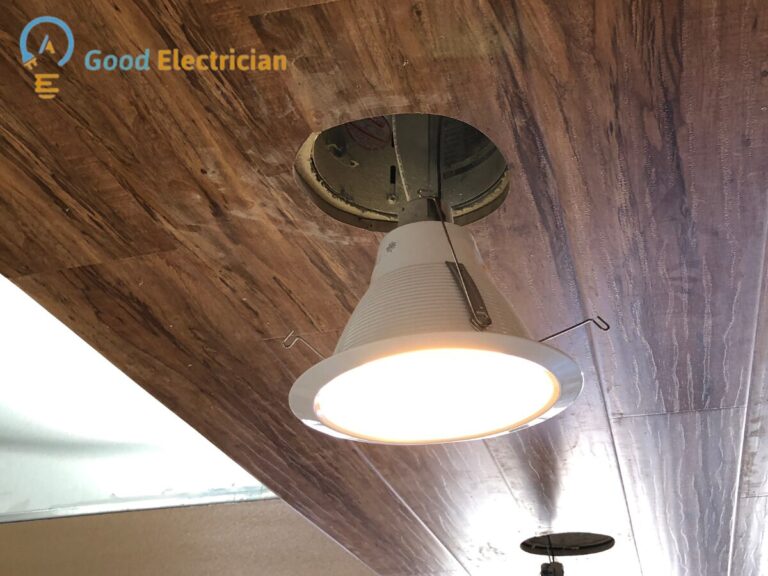
Recessed lighting and other fixtures have specific installation requirements. Over-lamping—installing bulbs with wattages higher than the fixture rating—is one of the most frequent violations. This can melt wiring and start fires. Another issue is not using IC-rated fixtures in insulated ceilings, which can lead to overheating. Exterior lighting must be rated for wet or damp locations and be installed with weatherproof boxes and covers. Failing to do this not only violates code but leads to corrosion and premature failure.
Why Regular Inspections Matter
Even if your home passed inspection when built, updates in the NEC and wear over time can create new violations. Knob-and-tube wiring, aluminum wiring, or old fuse panels may have been acceptable decades ago, but today they pose real risks. An electrical inspection by a trained professional will uncover these issues before they become dangerous. Whether you’re buying a home, remodeling, or installing a new system, a fresh look at your wiring and panel is a smart move.
Understanding common electrical code violations helps you make safer decisions, whether you’re a homeowner managing upgrades or a buyer evaluating a potential purchase. When in doubt, consult a licensed electrician who knows the current code and can ensure your system is safe and compliant.