Residential Electrical Remodeling: Mistakes to Avoid During a Home Renovation
Electrical remodeling is one of the most crucial parts of any home renovation project. It’s what keeps the lights on, the outlets safe, and the appliances running efficiently. Yet, it’s also one of the areas homeowners tend to overlook or underestimate. Updating wiring, adding new circuits, or upgrading a panel might not be as visually exciting as picking out new flooring or cabinets, but these are the systems that ensure your renovated home operates safely and efficiently for decades.
At A Good Electrician LLC, we often work with homeowners in Northern Virginia who are remodeling older homes or adding new rooms. We’ve seen projects that go smoothly when electrical planning is done right—and others that run into costly setbacks because crucial electrical details were missed early in the process. If you’re planning a remodel, understanding common mistakes can save you money, stress, and time.
Ignoring Electrical Load Requirements
One of the biggest oversights in residential remodeling is failing to account for the home’s electrical load. Every modern appliance—from air fryers and induction cooktops to EV chargers and smart home systems—demands power. Many older homes were built with panels rated for 100 amps or less, which may no longer be sufficient for today’s needs.
During remodeling, additional outlets, lighting circuits, and appliances add up quickly. Without assessing whether the main service panel can handle the increased demand, you risk frequent breaker trips, overheated wiring, or, in severe cases, electrical fires.
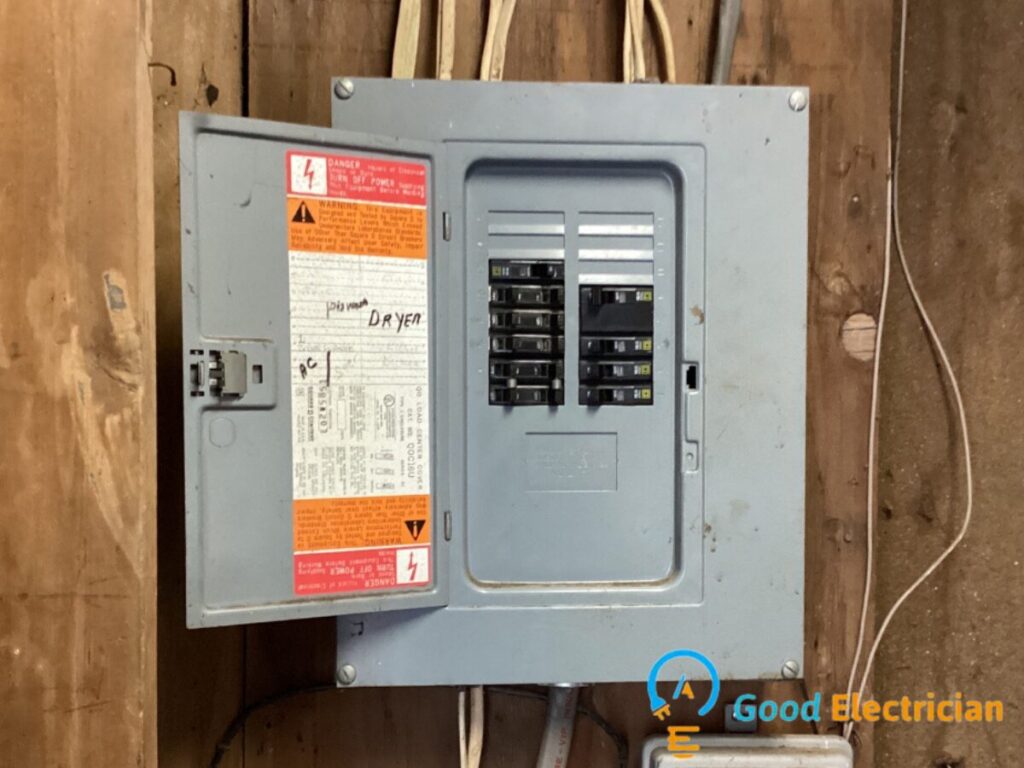
A licensed electrician should perform a load calculation before work begins. This determines whether you need a service panel upgrade, sub-panel addition, or circuit redistribution. Homeowners often think they can skip this step, but doing so only pushes the problem down the line—often at the worst possible time, like right after moving back in.
Disclaimer: Electrical load assessments and panel work should always be handled by a trained and licensed electrician.
Skipping a Full Wiring Inspection
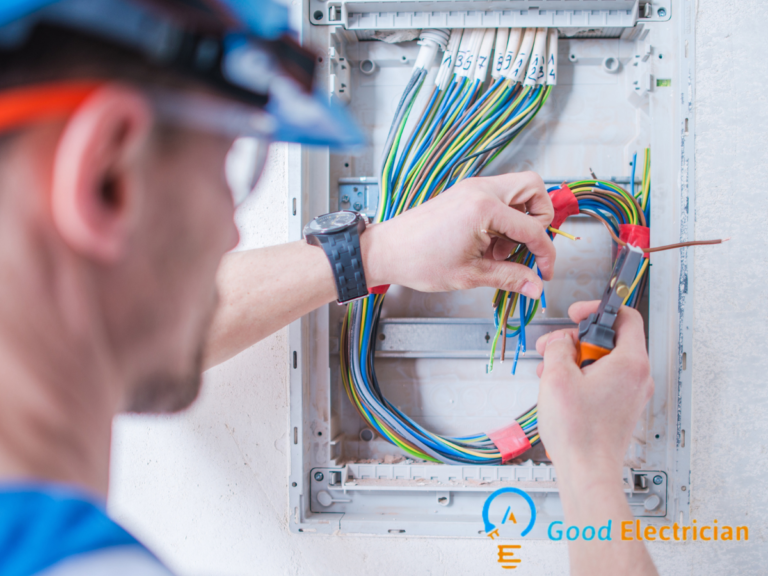
Many renovation projects start with cosmetic goals—fresh paint, open layouts, or new lighting. Yet underneath those walls could be decades-old wiring that’s unsafe or non-compliant with today’s electrical codes. Knob-and-tube, aluminum, or brittle insulation wiring can pose serious fire hazards.
A proper electrical inspection before demolition helps uncover these hidden issues early. It’s common to discover that circuits are overloaded, splices are hidden in walls, or grounding is inadequate. Once walls are open, it’s the perfect time to replace or rewire sections that won’t be easily accessible again.
Unfortunately, some homeowners skip this step to save money or because “the lights were working fine before.” The problem is that working lights don’t guarantee safe wiring. A small investment in inspection and rewiring during a remodel is much cheaper—and safer—than tearing walls back open later to fix a dangerous electrical problem.
Poor Planning for Lighting and Outlet Placement
Lighting design and outlet placement are among the most common areas where homeowners express regret after renovations. Once the drywall is up, it’s too late to realize you don’t have enough outlets near your kitchen island or that your living room feels dim at night.
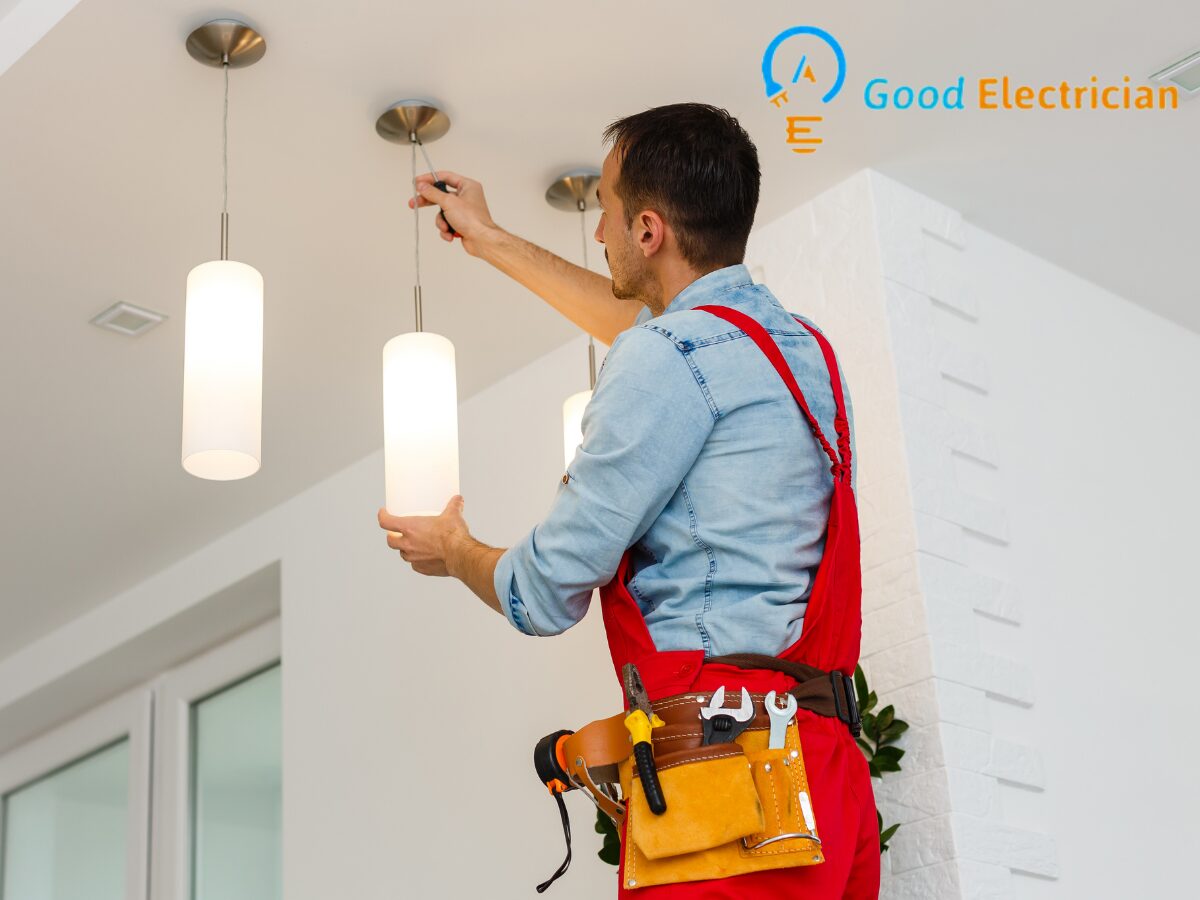
Think beyond aesthetics—lighting is both a safety and functionality feature. Layered lighting (ambient, task, and accent) provides versatility, energy efficiency, and comfort. Recessed lighting in kitchens, under-cabinet LED strips, and dimmable smart controls can completely change how a space feels and functions.
Outlets also need careful consideration. Kitchens, bathrooms, and workspaces require GFCI-protected outlets. Living areas benefit from strategically placed outlets for entertainment systems and smart devices. And if you’re considering future upgrades—like adding an electric vehicle charger, outdoor kitchen, or home office—pre-wiring during the remodel saves significant cost later.
Before construction begins, review lighting and outlet plans with your electrician and interior designer. A well-thought-out electrical plan should be part of the blueprint, not an afterthought.
Disclaimer: All outlet installations and circuit modifications should be done by licensed electricians.
Not Upgrading the Electrical Panel When Needed
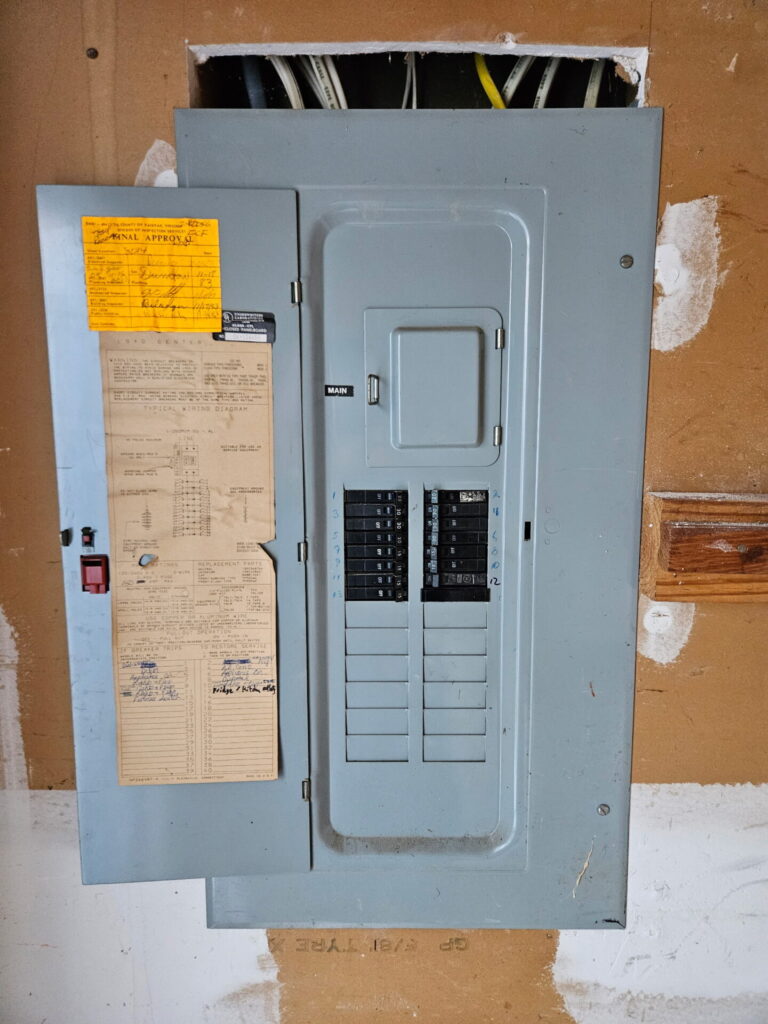
Upgrading your home’s appearance without upgrading its electrical backbone can create major limitations. The service panel is essentially the control center for your home’s power distribution. When it’s undersized or outdated, you’re not just risking inconvenience—you’re limiting your home’s potential.
If you’re adding square footage, upgrading HVAC systems, or incorporating high-demand appliances, your existing panel might not have enough capacity or available breakers. Panels older than 25 years may also lack modern safety features such as AFCI (Arc Fault Circuit Interrupter) protection, which helps prevent electrical fires.
It’s common for homeowners to try squeezing additional circuits into an already full panel using tandem breakers, but that’s not always safe or code-compliant. A panel upgrade during renovation ensures the electrical system can handle present and future demands while meeting current NEC standards.
Disclaimer: Electrical panel work should only be performed by certified electricians familiar with local building codes.
Overlooking Smart Home and Energy Efficiency Features
Modern electrical remodeling isn’t just about rewiring—it’s an opportunity to future-proof your home. Smart switches, occupancy sensors, and integrated lighting controls can enhance convenience, energy savings, and security.
Adding these systems after remodeling is possible, but it’s often more expensive and complicated. During renovation, walls are open, and circuits are accessible—making it the ideal time to add the necessary wiring or low-voltage conduits for smart home automation.
Energy efficiency is another area worth planning for. LED lighting, motion sensors, and timers reduce long-term costs and environmental impact. A good electrician can also help evaluate whether your existing electrical system supports renewable additions like solar panels or battery backups down the road.
Disclaimer: Smart home integrations involving electrical wiring should always be installed by trained professionals.
Using Unqualified Labor or DIY Electrical Work
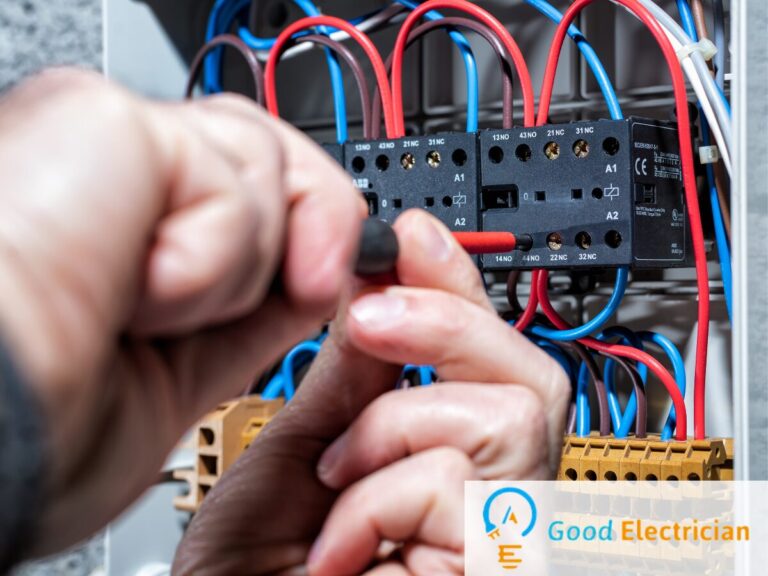
This mistake can’t be overstated. Electrical work isn’t something to experiment with during a renovation. Even experienced contractors sometimes underestimate the complexity of electrical systems. A miswired circuit, loose connection, or incorrectly rated breaker can cause long-term damage or life-threatening hazards.
Local building codes exist for a reason—to ensure safety. DIY or unlicensed electrical work often fails inspection or voids homeowners’ insurance in the event of an electrical fire. Even if the work “looks fine,” unseen mistakes such as improper grounding, overloaded circuits, or incorrect wire gauges can lead to serious problems later.
Partnering with a licensed electrician guarantees your remodel meets all electrical and safety standards. It also provides documentation that can be crucial for future home sales or insurance claims.
Forgetting About Future-Proofing
A renovation is the perfect moment to plan ahead. Many homeowners only think about their immediate needs, overlooking future additions like electric vehicles, home offices, or expanded outdoor spaces.
Running conduit or pre-wiring for potential upgrades during the remodel is far cheaper and easier than retrofitting later. Even if you don’t install an EV charger or backup generator today, including a dedicated line or space in your panel can save thousands in the future.
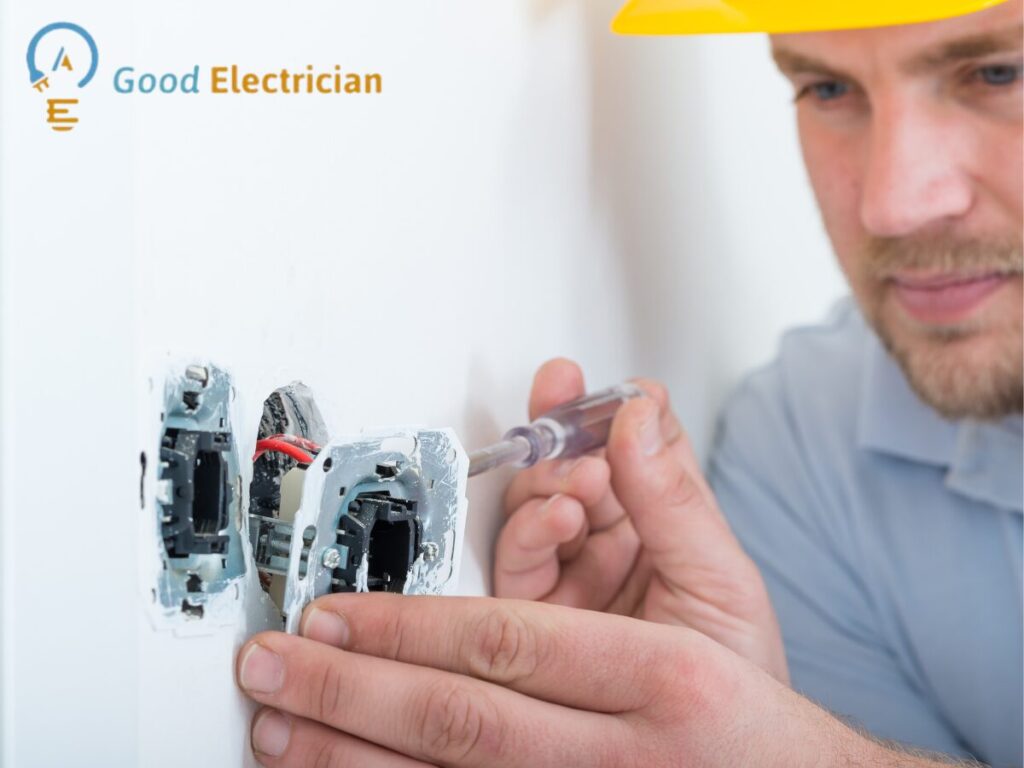
Similarly, structured wiring for Ethernet, coaxial, and security systems adds long-term flexibility. Modern homes are increasingly connected, and incorporating low-voltage and data lines during electrical remodeling ensures your home keeps up with technological advances without expensive rewiring.
Disclaimer: Any future-proofing or pre-wiring involving electrical connections should be done by qualified electricians.
Not Pulling the Proper Permits
Every major electrical remodel requires permits and inspections. Skipping this step to save time or costs can create significant problems later. Without proper documentation, future buyers or home inspectors may flag the electrical system as non-compliant, complicating resale or insurance coverage.
Permits also ensure your renovation meets local code requirements, which are updated regularly for safety reasons. Licensed electricians handle this process efficiently—they know the code updates, how to document the work, and how to coordinate inspections.
A well-permitted job isn’t just about paperwork—it’s about peace of mind that your home’s electrical system is safe and reliable.
Final Thoughts
Residential electrical remodeling is one of the most critical—and often underestimated—parts of a home renovation. Every decision, from circuit layout to lighting placement, affects safety, efficiency, and comfort for years to come. The best remodels start with thoughtful planning, professional execution, and a focus on both current and future electrical needs.
When handled correctly, electrical upgrades don’t just power your home—they protect it. Taking the time to do it right ensures your renovation is as safe as it is beautiful.