Warm Light Switch: How Softer Lighting Control Is Changing Modern Homes
Warm light switches have moved from being a niche upgrade to a practical feature homeowners actively ask about. Lighting no longer stops at turning a room on or off. Control over warmth, brightness, and mood now plays a real role in comfort, energy use, and how a space actually feels at different times of day. Electricians see this shift firsthand as clients move away from harsh white lighting toward warmer, more adjustable setups that support everyday living.
A Good Electrician LLC often installs lighting controls as part of larger lighting upgrades, panel improvements, or smart home projects, since proper wiring and compatibility matter when warm light control is involved.
What a Warm Light Switch Really Does
A warm light switch controls lighting output with emphasis on color temperature rather than simple brightness. Standard switches only send power or cut it off. Warm light switches interact with fixtures or bulbs that support adjustable warmth, usually measured in Kelvin. Lower Kelvin values produce warmer, softer light that resembles candlelight or early evening sunlight.
Many people assume warm light switches only dim lights. Dimming reduces intensity, yet warmth control shifts the color spectrum itself. A room lit at 2700K feels calm and relaxed, while the same room at 4000K feels sharper and more alert. Warm light switches allow that adjustment through manual controls, preset scenes, or smart integrations.
Electrical design determines whether the switch communicates directly with the fixture, the bulb, or a control module hidden behind the wall. Each setup changes how the switch functions and what it can control.
Warm Light Versus Soft White Versus Daylight
Lighting terms often overlap, leading to confusion during upgrades. Warm light refers to a color range, usually between 2200K and 3000K. Soft white sits near the middle, often around 3000K to 3500K. Daylight jumps much higher, frequently exceeding 5000K.
A warm light switch focuses on maintaining that lower Kelvin range while adjusting brightness smoothly. Soft white switches may allow limited warmth adjustment but tend to favor neutral tones. Daylight-oriented controls prioritize visibility rather than comfort.
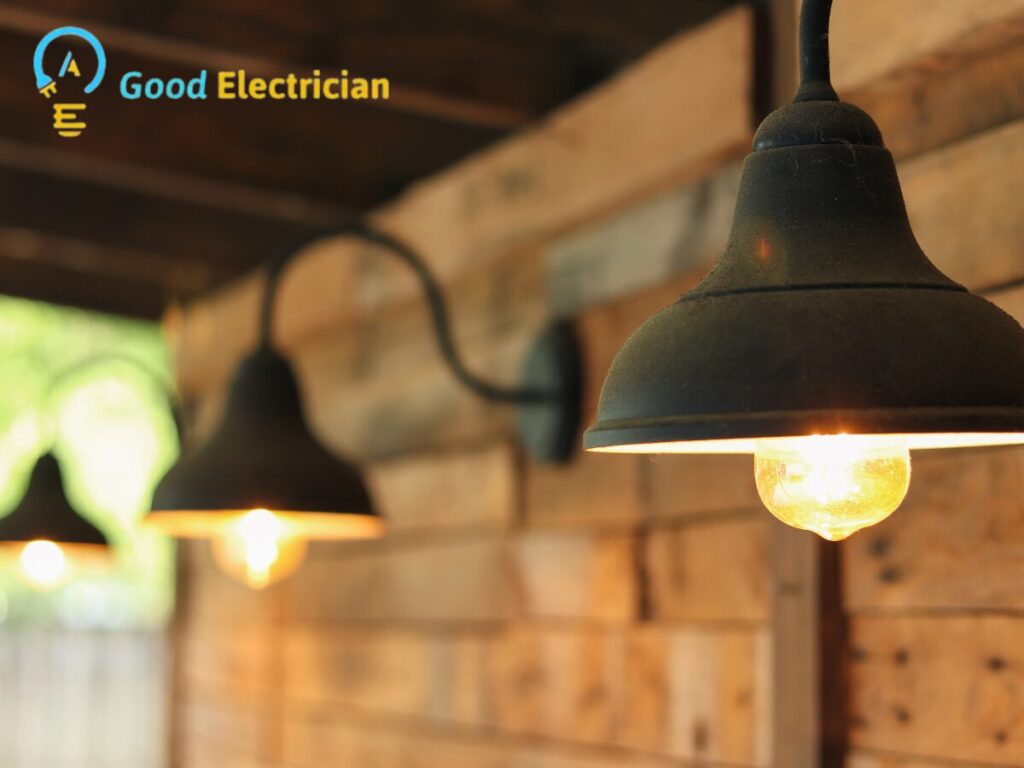
Homes benefit from warmth control more than extreme brightness. Living rooms, bedrooms, hallways, and dining spaces gain flexibility when the switch allows subtle tonal shifts instead of harsh white output.
How Warm Light Switches Work With LED Technology
Modern LED fixtures make warm light switching possible. Traditional incandescent bulbs naturally warm as they dim. LEDs require electronic drivers to simulate that effect. Warm dim LEDs change color temperature as voltage or control signals shift.
Warm light switches send commands to these drivers through wired or wireless communication. Some systems rely on phase-cut dimming, while others use low-voltage control protocols or smart hubs. Compatibility matters. Not every LED works with every warm light switch.
Improper pairing leads to flicker, buzzing, or uneven color transitions. Electrical professionals verify load ratings, driver types, and wiring configurations before installing any warm light control system.
Types of Warm Light Switches Available Today
Manual warm light switches feature sliders, rotary knobs, or dual controls that adjust warmth and brightness independently. These switches appeal to homeowners who prefer tactile control without apps or automation.
Smart warm light switches integrate with home automation platforms. Apps allow schedules, scenes, and remote control. Voice assistants often pair with these systems, offering hands-free adjustments.
Scene-based switches store preset lighting profiles. One tap sets evening warmth, another returns to daytime brightness. These switches simplify control without constant adjustment.
Each type requires specific wiring and compatibility checks. Installations should always be handled by trained electricians to ensure safety and proper performance.
Electrical Considerations Behind the Wall
Warm light switches introduce more complexity than standard switches. Neutral wires, load requirements, and grounding must meet modern electrical codes. Older homes may lack the wiring needed for advanced controls.
Electrical panels, breaker sizing, and circuit loads influence whether warm light switches can be added safely. Overloaded circuits cause heat buildup and reduce system lifespan.
Professionals evaluate these conditions before installation. DIY wiring increases risk of malfunction, shock, or damage to expensive lighting components.
Where Warm Light Switches Make the Biggest Impact
Living rooms benefit from warm lighting during evening hours, helping eyes relax after screen exposure. Bedrooms rely on warmth to support natural sleep cycles by reducing blue light exposure.
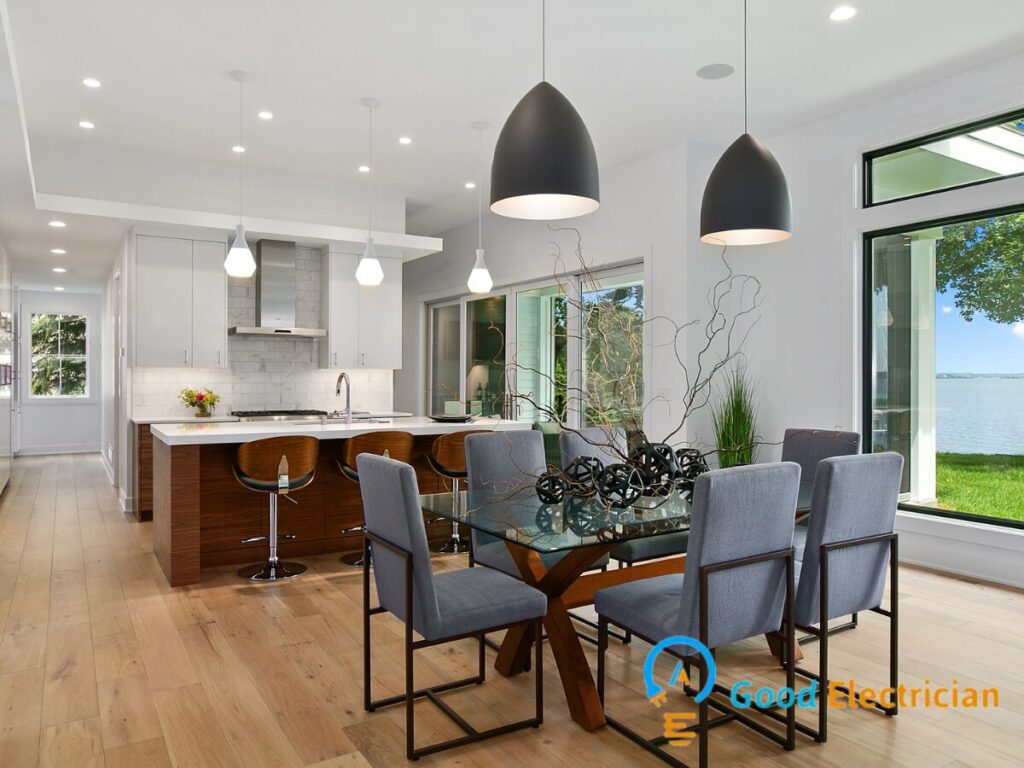
Dining spaces feel more inviting with warmer tones that enhance colors and textures. Bathrooms use warmth during nighttime hours to reduce glare while maintaining enough visibility for safety.
Hallways and staircases gain comfort when warmth softens harsh shadows. These areas often stay lit longer than expected, making tone control valuable.
Energy Efficiency and Longevity
Warm light switching pairs well with energy-efficient LEDs. Lower brightness and warmer tones reduce power consumption slightly, extending bulb lifespan. Dimming also reduces thermal stress on drivers and internal components.
Switches designed for LED loads manage power more efficiently than older dimmers. Modern electronics regulate current smoothly, avoiding spikes that shorten fixture life.
Correct installation ensures efficiency gains last over time. Poor wiring negates these benefits and creates maintenance issues.
Smart Home Integration and Automation
Warm light switches often integrate with smart home ecosystems. Automation schedules adjust warmth based on time of day, sunset, or occupancy sensors. Morning routines favor neutral tones, while evening settings shift toward warmth automatically.
Motion sensors combined with warm lighting reduce nighttime disruption. Entering a hallway triggers soft illumination instead of full brightness.
Network reliability and device compatibility influence performance. Professional setup helps avoid lag, dropped connections, or unresponsive controls.
Health and Comfort Benefits of Warm Light Control
Human circadian rhythms respond to light color. Warm tones support melatonin production, encouraging better sleep quality. Cooler light suppresses melatonin, increasing alertness.
Warm light switches allow homes to align lighting with natural biological cycles. Evening warmth reduces eye strain and mental fatigue after long days under artificial lighting.
These benefits become noticeable when lighting adjusts gradually rather than abruptly switching between extremes.
Common Mistakes Homeowners Make
Assuming all dimmers support warm dim LEDs leads to performance issues. Mixing incompatible components creates flicker and inconsistent color output.
Ignoring electrical requirements causes overheating or circuit failures. Warm light switches draw power differently than basic switches.
Skipping professional installation increases risk. Electrical work requires knowledge of local codes, grounding practices, and load calculations.
Installation and Safety Disclaimer
Warm light switch installations involve electrical wiring and system configuration. These tasks should be handled by trained electricians who understand load ratings, compatibility, and safety standards. Attempting installation without proper training increases risk of electrical hazards and equipment damage.
Choosing the Right Warm Light Switch
Selection depends on fixture type, room use, and desired control style. Manual switches suit simple setups. Smart switches fit homes already using automation. Scene-based controls work well for shared spaces with predictable lighting needs.
Consultation with an electrician helps match switches to existing wiring and future goals. Proper planning prevents costly replacements later.
Final Thoughts
Warm light switches redefine how homes feel after sunset. Control over tone creates spaces that adapt naturally to daily routines rather than forcing occupants to adjust. Electrical design supports that comfort when done correctly, blending technology with practical living needs.
Homes that invest in thoughtful lighting control gain flexibility, comfort, and long-term reliability. Warm light switching stands as a subtle upgrade that delivers lasting impact when installed with expertise and care.