Signs You Need an Electrical Panel Upgrade
Your electrical panel is the command center of your home’s electrical system. It distributes power to various circuits and protects your home by tripping breakers when something goes wrong. But as technology has advanced and household demands have increased, many older panels can no longer keep up. That’s where A Good Electrician comes in—we specialize in professional panel upgrades for Northern Virginia homes that need a safer and more reliable power supply.
Frequent Breaker Trips
When circuit breakers trip frequently, it usually means your panel is overloaded. This is one of the most common and easily recognized signs that an upgrade is overdue. Modern homes demand more electricity due to high-consumption devices like EV chargers, HVAC systems, and multiple kitchen appliances running at once. If your breakers are tripping under normal load, your panel likely lacks the capacity to handle your home’s needs.

It’s also worth noting that frequent breaker trips can be more than just a nuisance. Each trip is a signal that your electrical system is under stress, and continuing to operate this way could lead to overheating wires or even electrical fires. If you’re constantly heading to the panel to reset breakers, it’s time to call a licensed electrician.
Your Home Still Uses a Fuse Box
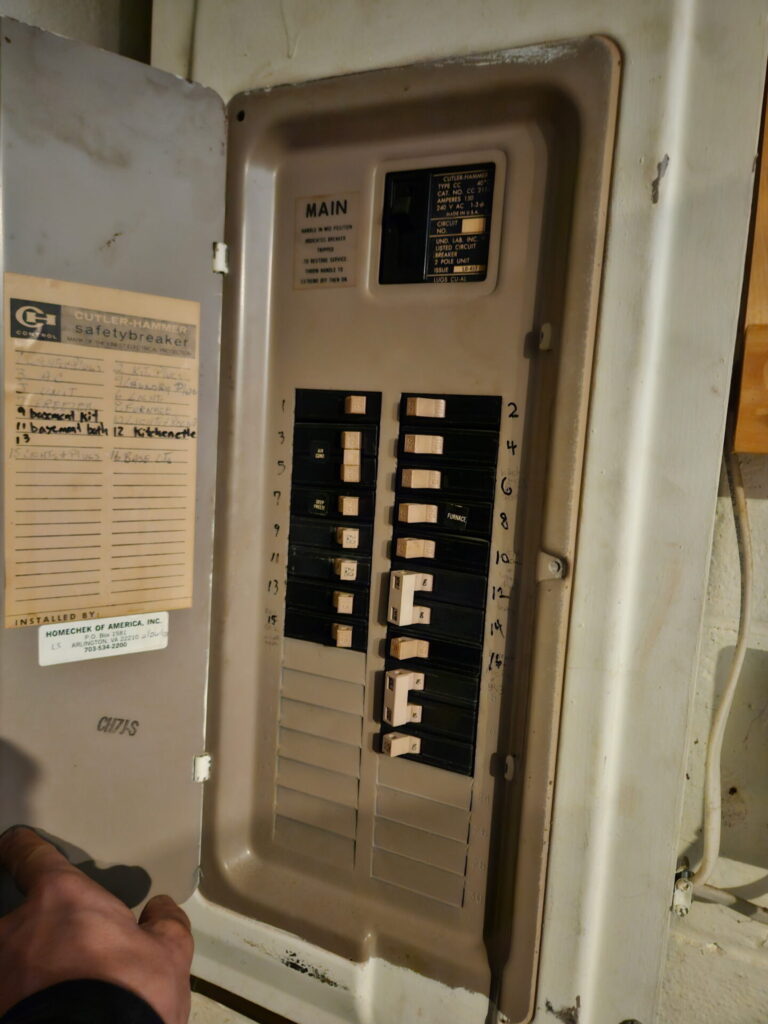
Fuse boxes were standard in homes built before the 1960s, but they have become outdated and potentially dangerous by today’s standards. Unlike modern circuit breakers that can be reset with a switch, fuses blow and need to be replaced every time there’s a fault. This might not only be inconvenient but can also pose serious fire risks if the wrong type of fuse is used.
Many insurance companies also consider fuse boxes a liability, which could impact your premiums or even your eligibility for coverage. If your home still relies on a fuse box, an upgrade isn’t just a smart move—it’s a safety requirement.
You Notice Flickering or Dimming Lights
If your lights flicker or dim when you turn on an appliance, it’s not just an annoyance. That’s a red flag that your current electrical panel is struggling to supply steady power. This could be due to inadequate amperage or a worn-out panel struggling to meet demand.
This issue becomes particularly noticeable with high-draw appliances like microwaves, air conditioners, or even vacuums. When lights dim in response to these devices starting up, your panel is sending a clear message: it needs help. Don’t ignore it. Instead, schedule an evaluation with a certified electrician to determine if a panel upgrade is the right solution.
You’re Adding New Appliances or Renovating
Planning to install an EV charger, upgrade to a new HVAC system, or remodel your kitchen? Each of these projects adds a load to your existing electrical panel. Older panels, especially those under 100 amps, often can’t accommodate this increased demand safely or efficiently.
Modern upgrades typically require a panel with at least 200 amps to handle new circuits without causing stress to the system. If you’re investing in home improvements, make sure your electrical infrastructure can support them. It’s better to proactively upgrade your panel than to face power limitations or safety hazards down the line.
As with any electrical installation, a licensed professional should perform this work to ensure it meets local codes and safety standards.
The Panel Feels Warm or Has a Burning Smell
An electrical panel should never feel warm to the touch or emit any kind of odor. If you detect a burning smell near your panel, that’s a serious warning sign. It may indicate overheating wires, a malfunctioning breaker, or damaged insulation.
In such cases, immediate action is critical. Ignoring this could lead to electrical fires or other catastrophic failures. Turn off the main power and call a qualified electrician right away. A panel showing signs of heat damage has likely outlived its safety lifespan and must be replaced as soon as possible.
Lack of Available Circuit Space
Many older panels were designed with only a limited number of slots for circuit breakers. As families add more devices, smart home systems, and electrical outlets, it becomes necessary to add circuits. But if your panel is full, you’re stuck. You can’t just double up breakers or rely on workaround solutions—doing so increases the risk of overloads and potential fire hazards.
An upgraded panel gives you the room you need to safely expand your electrical system. Whether you’re adding a home office, a new workshop, or more outdoor lighting, additional circuits must be supported by a panel that can handle the load.
The Panel Is More Than 25 Years Old
Like everything else in a home, electrical panels age. If your panel is more than 25 years old, even if it appears to be functioning well, it might not meet today’s safety standards or power demands. Brands like Federal Pacific or Zinsco, commonly used decades ago, have known safety issues that can lead to fire hazards and are now considered obsolete.

Older panels may also lack key safety features like arc fault circuit interrupters (AFCIs) and ground fault circuit interrupters (GFCIs), both of which are required in many areas of modern construction. Upgrading your panel ensures you stay compliant with current regulations and better protect your home and family.
You Experience Unexplained Power Outages or Surges
Unpredictable outages or internal power surges that aren’t related to utility service disruptions can often be traced back to an outdated or faulty panel. These problems can damage appliances, reduce system efficiency, and create safety concerns.
If you’re noticing fluctuations in power with no clear cause, your panel may be failing. A professional inspection can determine whether a simple repair is enough or if a full upgrade is the safer path forward.
Conclusion: Don’t Wait Until It’s an Emergency
Electrical panels don’t last forever. Just like your HVAC system or roof, they require periodic updates to stay safe and functional. Ignoring the warning signs can lead to severe consequences, including fire risks and major appliance damage.
Let a licensed expert evaluate your system and recommend the best solution for your needs.