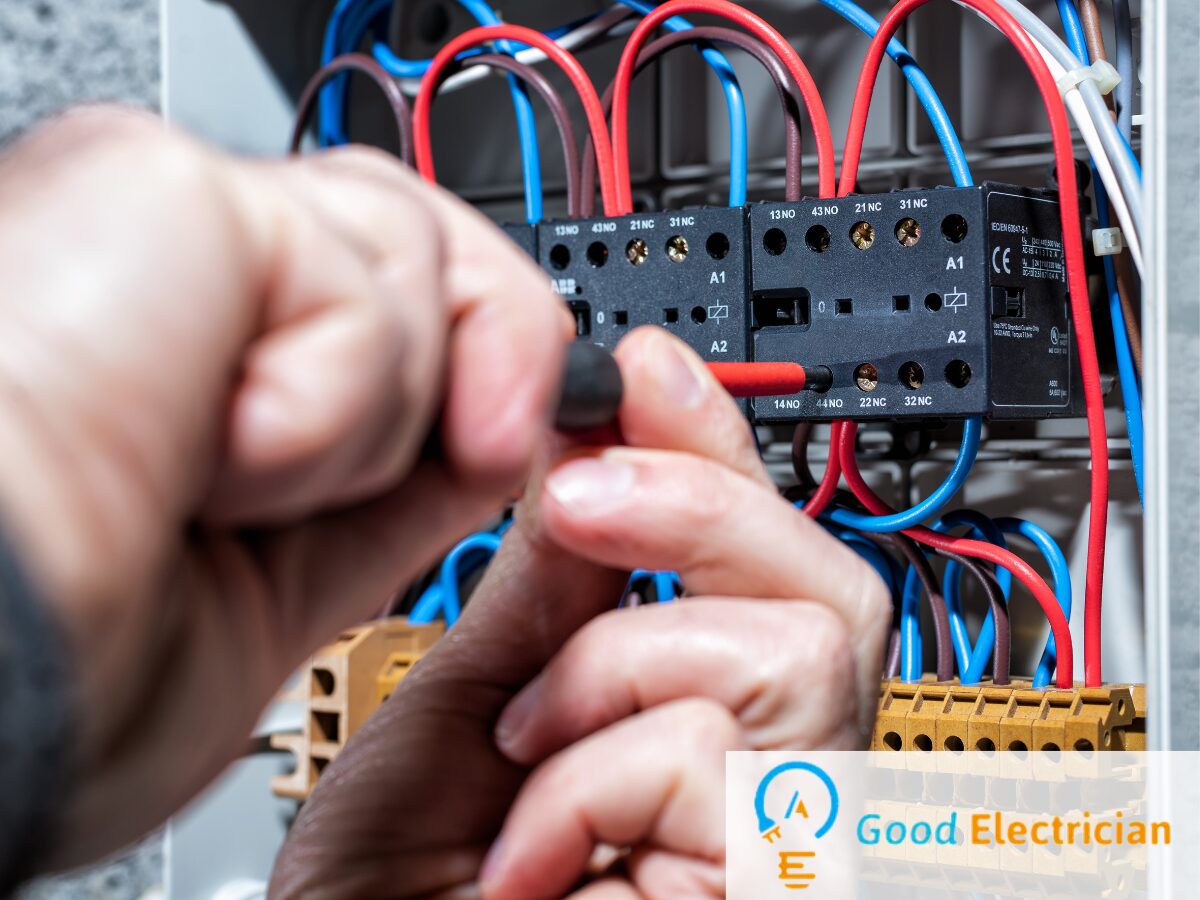
Preventing Electrical Fires: Essential Tips for Homeowners
Electrical fires are one of the leading causes of residential property damage across the U.S., often igniting without warning and spreading quickly. As homes become more dependent on electronics, smart devices, and high-powered appliances, the demand on electrical systems continues to rise. Unfortunately, older wiring, overloaded circuits, and improper DIY fixes can’t always keep up. If you’re a homeowner in Northern Virginia, these hazards aren’t just statistics—they’re real risks that require immediate attention.
At A Good Electrician, we regularly upgrade panels, install surge protection, and inspect faulty circuits to help families avoid disaster before it strikes. But whether you call us or not, this guide breaks down exactly what you need to know to prevent electrical fires in your home.
Understanding What Causes Electrical Fires
Most electrical fires start because of heat buildup. That can come from loose connections, aging wiring, faulty outlets, or too many devices pulling power through the same circuit. Common culprits include space heaters, outdated appliances, overloaded extension cords, and DIY electrical work gone wrong. But not all risks are visible or immediate—some develop slowly over time. That’s why fire prevention isn’t a one-time fix; it requires an ongoing mindset and routine maintenance.
Wiring Issues That Hide Behind the Walls
If your home was built before the 1980s and hasn’t had a full rewiring or panel upgrade, you could be dealing with aging wires that are no longer safe. Aluminum wiring, in particular, was common in homes built in the 60s and 70s and is known to expand and contract, loosening connections and sparking fires. Knob-and-tube wiring is another outdated method that lacks grounding and can’t safely support modern electrical loads. These problems are rarely visible unless you open up walls, which is why periodic inspections are so important.
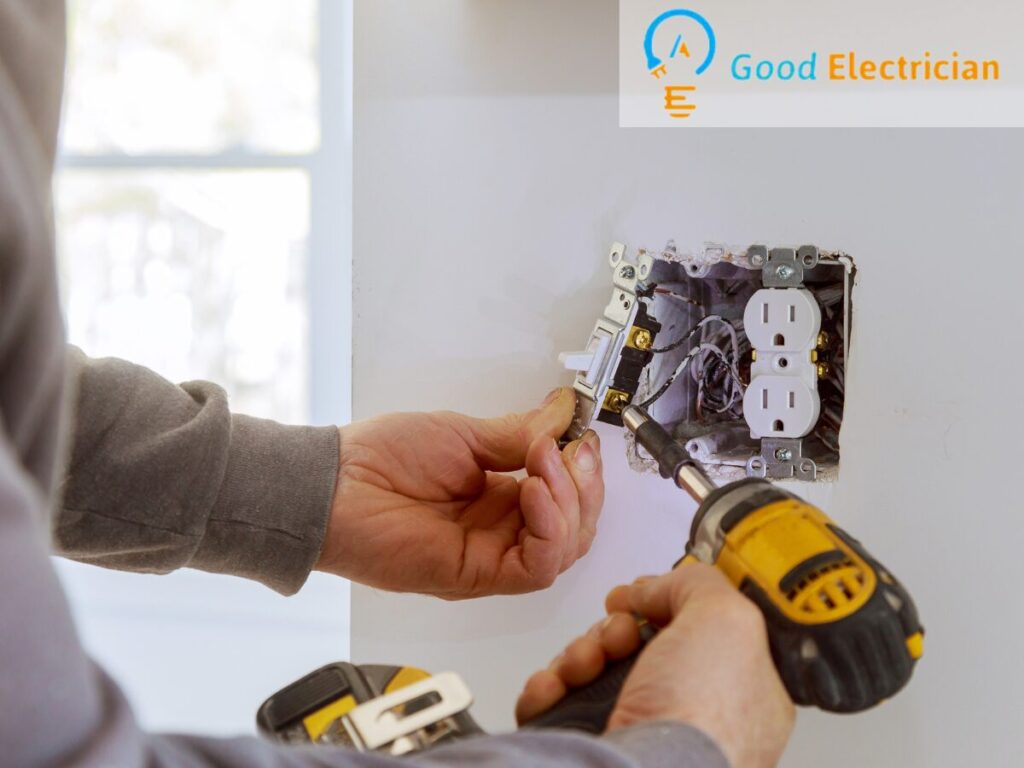
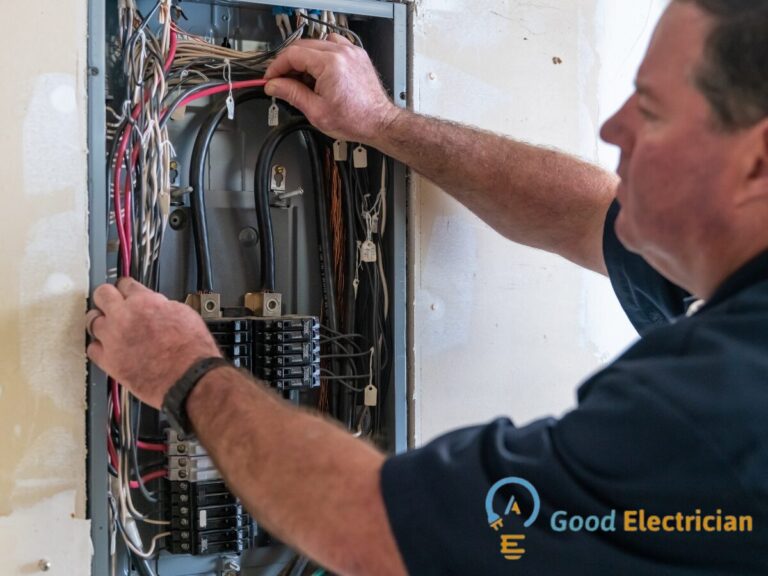
A licensed electrician can use thermal imaging, circuit testing, and visual inspection to identify problem areas without damaging your walls. Upgrading outdated wiring or panels is not something homeowners should attempt themselves—this kind of work requires licensed expertise and often a permit.
Overloaded Circuits and Poor Power Management
Circuit overload is one of the fastest ways to start a fire. Every circuit in your home is designed to handle a limited amount of current. Plugging in too many devices, especially power-hungry ones like space heaters, microwaves, or window AC units, can exceed that limit. When that happens, wires overheat, insulation melts, and flames can erupt within the walls or at the outlet.
Tripping breakers aren’t just annoyances—they’re warnings. If you regularly reset breakers or smell burning plastic near an outlet, stop using that circuit and call a licensed electrician. Adding a dedicated circuit for high-demand devices or upgrading your electrical panel is often the safest route.
Spotting Trouble Before It Starts
One of the smartest things you can do to prevent electrical fires is learn how to spot early warning signs. Your home may already be telling you something—you just need to know what to look for.
Hot Outlets and Discolored Switch Plates
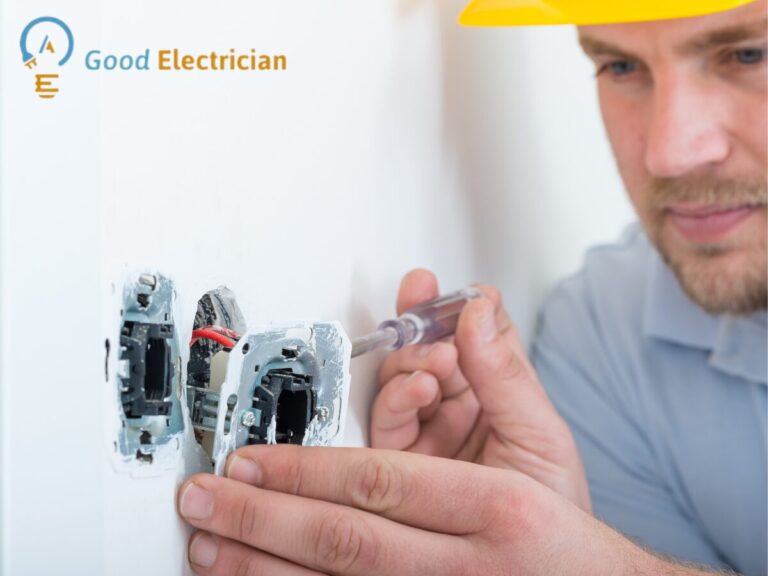
Outlets and switches should never feel warm to the touch. If they do, it means excess heat is building up at the connection point. Discoloration, such as yellowing or browning around the plate, is another red flag. These issues usually stem from loose connections or wires that are too small for the electrical load they’re carrying. Do not ignore these signs—they indicate conditions that can ignite.
Flickering Lights That Aren’t a Bulb Problem
If your lights dim or flicker when appliances turn on, your circuit may be overloaded or poorly wired. This is particularly common in homes with central HVAC units, refrigerators, or electric dryers. Sometimes, it means your panel needs an upgrade to meet modern demands. Other times, it’s a sign of a loose neutral connection, which can be extremely dangerous and cause voltage fluctuations.
Burning Smells With No Visible Source
That faint, acrid smell of burning plastic or rubber with no visible flame is often the first sign of an electrical problem. It can come from behind outlets, inside walls, or near your breaker panel. If you catch this smell, shut off the power to the affected area and contact a professional immediately. Electrical fires can smolder for hours before finally igniting.
Using the Right Devices and Equipment
Not all electrical equipment is created equal. Many fires start because of subpar extension cords, unlisted appliances, or smart devices that don’t meet U.S. safety standards. Being selective and educated about the gear you plug in can prevent major damage down the line.
Extension Cords Are for Temporary Use Only
Extension cords are not meant to be permanent solutions. Running them under carpets or behind furniture can cause the cord to overheat or the insulation to wear out. If you need more outlets, get them professionally installed. A good rule of thumb: if an appliance has a heating element or motor, it should plug directly into the wall.
Surge Protectors and AFCI Breakers
Installing surge protectors can guard against power spikes caused by storms or grid failures. But they don’t replace the need for arc fault circuit interrupters (AFCIs), which are now required by code in most new homes. AFCIs detect dangerous arcing conditions and cut off the circuit before a fire can start. Replacing older breakers with AFCIs is an upgrade worth considering—and one that should be handled by a licensed electrician.
Regular Maintenance and Inspections
Electrical systems wear out. Connections loosen, devices corrode, insulation breaks down. Just like you service your HVAC or roof, your electrical system should get a regular checkup—especially if your home is more than 25 years old.
Annual Safety Inspections
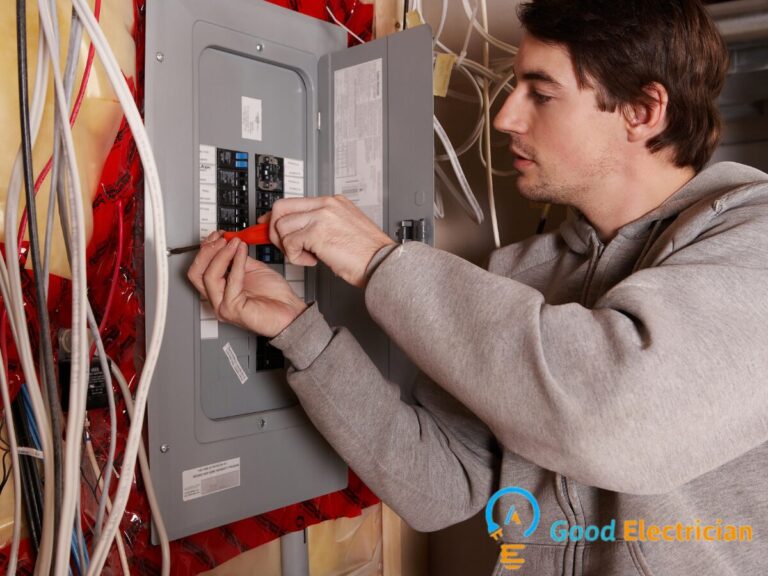
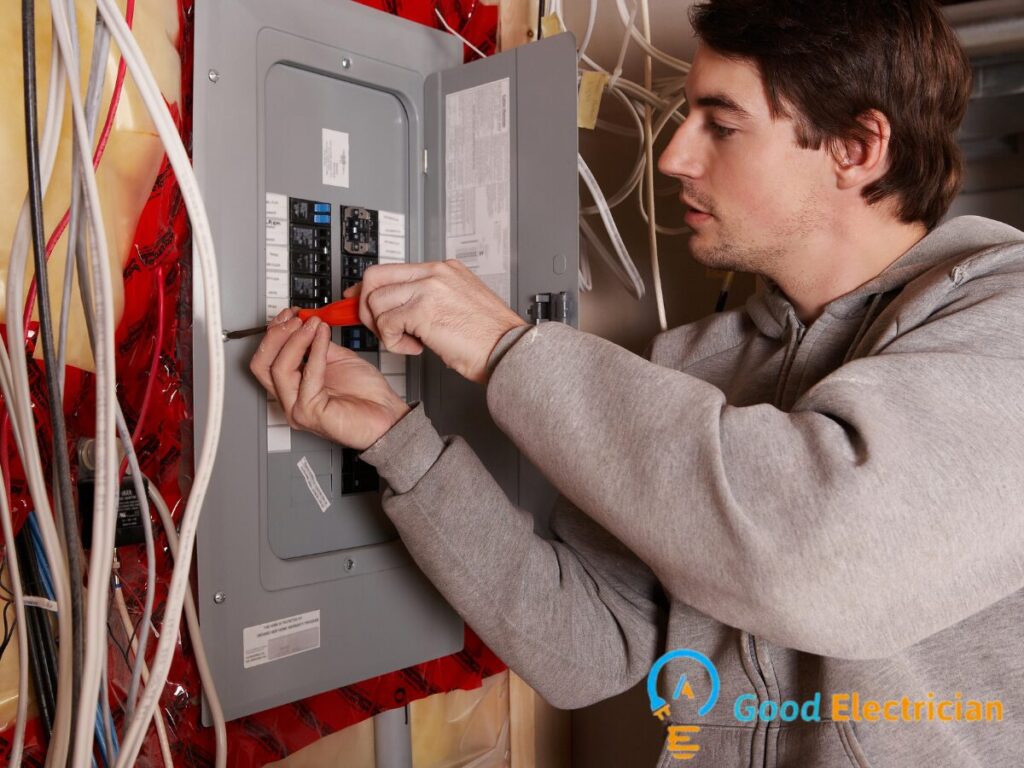
Bringing in a professional once a year can help you spot issues long before they become emergencies. They’ll test GFCIs, check panel condition, inspect outlets, and ensure everything is grounded properly. Homeowners can also test GFCI outlets monthly by pressing the “test” button to see if the circuit trips.
After Renovations or Major Appliance Upgrades
Adding a new kitchen, converting a garage, or installing a home EV charger significantly changes the load on your electrical system. Anytime you add a large appliance or new living space, have an electrician confirm that your panel and circuits can handle it. Don’t assume your system is up to the task without verification.
Safe Habits That Lower Fire Risk
Even the most advanced electrical system can’t compensate for unsafe usage. The way you interact with outlets, appliances, and electronics makes a big difference.
Avoid plugging multiple high-wattage devices into a single outlet. Keep space heaters at least three feet from furniture or drapes. Unplug devices you’re not using, especially in bedrooms or garages where a fire could smolder unnoticed. If you have kids, install tamper-resistant outlets to prevent objects being stuck into receptacles.
Also take time to label your breaker panel clearly. In an emergency, shutting off the right circuit quickly can make all the difference.
When to Call a Professional
Some electrical work should never be DIY. Installing new circuits, replacing panels, upgrading outlets, or modifying wiring in any way requires a trained and licensed electrician. Mistakes in this area aren’t just code violations—they’re fire hazards.
If your home is experiencing flickering lights, warm outlets, breaker trips, or smells of burning, don’t wait. Get it checked before small warning signs turn into disaster. Prevention always costs less than recovery.
Electrical safety starts with awareness but relies on action. Keep your system in check, watch for signs, and work with professionals when the job demands it. Staying proactive today could save lives tomorrow.