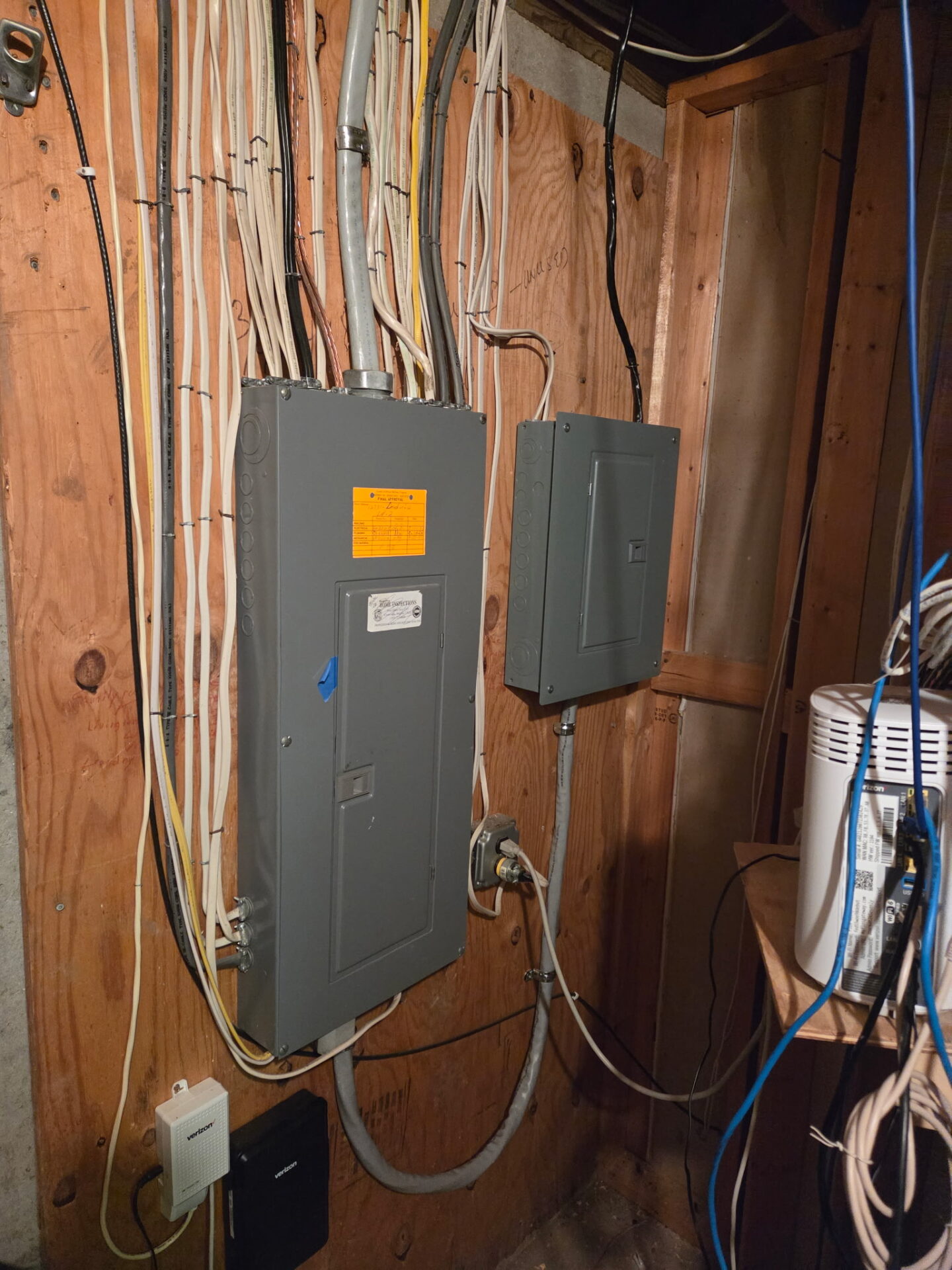
Why Does My Breaker Keep Tripping? 5 Common Causes and Fixes
A circuit breaker is designed to protect your home from electrical hazards. When it trips, it is not malfunctioning in most cases. It is doing exactly what it was built to do: shutting off power when it detects a condition that could damage wiring, appliances, or create a fire risk.
Many homeowners experience the frustration of a breaker that repeatedly trips and immediately assume the breaker itself is defective. Sometimes that is true, but more often the breaker is reacting to an underlying electrical problem that needs attention. Understanding the most common causes can help you determine whether the issue is something simple or a warning sign that requires professional evaluation.
If breaker trips are frequent, especially when using multiple appliances or adding new electrical equipment, services such as circuit troubleshooting, panel inspections, and electrical upgrades from a qualified electrician can help identify the root cause safely.
This guide explains five of the most common reasons breakers trip, how to recognize each problem, and what steps can be taken to resolve it.
How Circuit Breakers Protect Your Home
Before looking at specific causes, it helps to understand what a circuit breaker actually does.
Every electrical circuit in your home is designed to carry a limited amount of current. The breaker monitors that current flow. When the current exceeds the safe rating of the circuit, or when a dangerous fault occurs, the breaker disconnects power almost instantly.
Modern breakers are designed to protect against several conditions, including:
- Circuit overloads
- Short circuits
- Ground faults
- Arc faults
- Equipment failures
Without breakers, electrical wiring could overheat and potentially start a fire. A breaker that trips repeatedly is usually signaling that something requires investigation rather than simply being reset over and over.
Cause #1: Circuit Overload
Circuit overloads are the most common reason a breaker trips.
An overload occurs when too many devices draw power from the same circuit at the same time. The total electrical demand exceeds the circuit’s capacity, causing the breaker to shut off power before the wiring overheats.
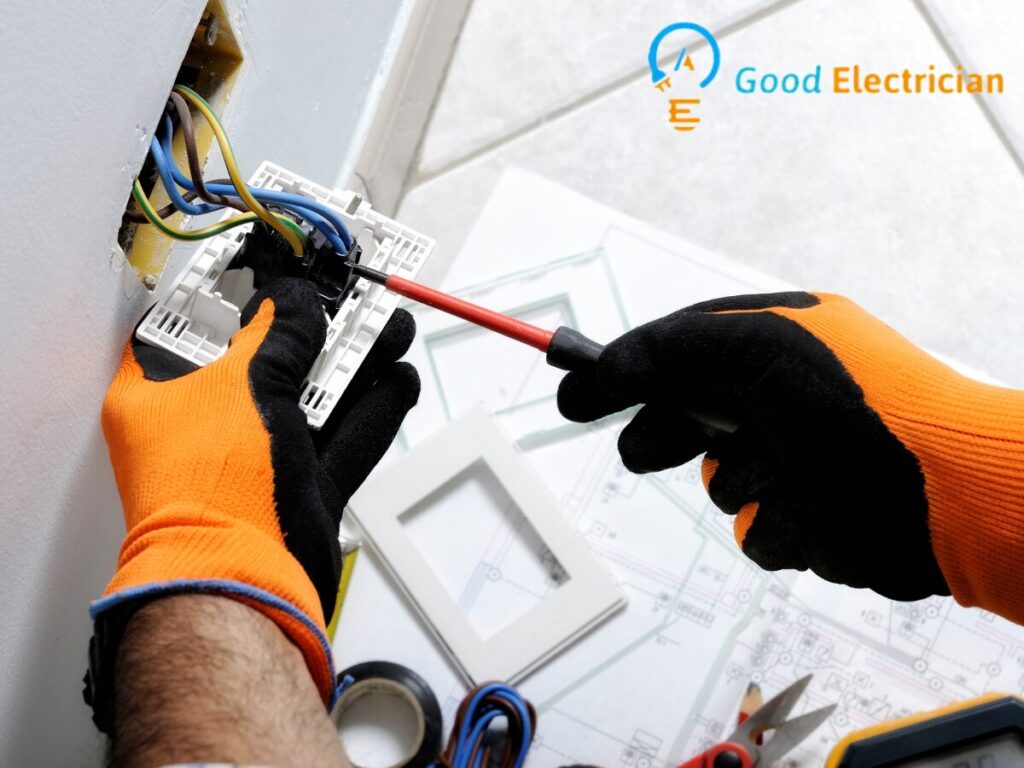
Many older homes were built when households used far fewer electrical devices. Today’s homes often have multiple televisions, computers, gaming systems, kitchen appliances, chargers, and smart home devices operating simultaneously. The electrical demands can quickly exceed what a circuit was originally intended to handle.
Signs of an Overloaded Circuit
Several symptoms may indicate an overload issue:
- Breaker trips when multiple devices are running
- Lights dim when appliances start
- Power loss occurs during heavy electrical usage
- The breaker remains on when some devices are unplugged
- Certain rooms consistently experience electrical issues
A common example is a kitchen circuit serving a microwave, toaster oven, coffee maker, and air fryer simultaneously. The combined load may exceed the circuit’s rating, causing repeated trips.
How to Fix an Overloaded Circuit
The simplest solution is reducing the number of devices operating on the circuit at one time.
You can also identify which appliances are drawing the most power and distribute them across different circuits where possible.
If overloads occur regularly despite reasonable electrical usage, the circuit may need to be upgraded or additional circuits installed. Electrical circuit modifications and panel work should ideally be performed by trained, licensed electricians to ensure compliance with local electrical codes and safety standards.
Cause #2: Short Circuit
A short circuit is more serious than a simple overload.
This occurs when a hot wire comes into direct contact with a neutral wire. Electricity suddenly follows a path with very little resistance, creating a dramatic increase in current flow. The breaker trips almost instantly to prevent damage and reduce fire risk.
Short circuits can develop in wiring, outlets, switches, appliances, light fixtures, or electrical connections that have deteriorated over time.
Warning Signs of a Short Circuit
Short circuits often produce noticeable symptoms, including:
- Breakers trip immediately after being reset
- Burning odors near outlets or panels
- Blackened outlets or switches
- Visible scorch marks
- Sparks when plugging in devices
- Buzzing sounds from electrical components
Any evidence of burning, sparking, or overheating should be treated as a potentially serious electrical hazard.
How to Fix a Short Circuit
Start by unplugging appliances connected to the affected circuit and attempt to reset the breaker.
If the breaker remains on, reconnect devices one at a time to determine whether a particular appliance is causing the issue.
If the breaker continues to trip with all devices disconnected, the problem may exist within the wiring itself. Diagnosing and repairing electrical wiring should ideally be performed by trained professionals or electricians due to the shock and fire hazards involved.
Modern diagnostic equipment allows electricians to locate wiring faults without unnecessarily opening large sections of walls or ceilings.
Cause #3: Ground Fault Problems
Ground faults are similar to short circuits but involve electricity flowing from a hot conductor to a grounded surface rather than directly to a neutral conductor.
Ground faults are particularly dangerous because they can create shock hazards. This is why bathrooms, kitchens, garages, laundry rooms, basements, and outdoor areas often use Ground Fault Circuit Interrupter (GFCI) protection.
When a ground fault occurs, the protective device rapidly disconnects power.
Common Sources of Ground Faults
Ground faults frequently occur when:
- Moisture enters outlets or electrical boxes
- Outdoor receptacles become wet
- Damaged appliance cords contact grounded surfaces
- Wiring insulation deteriorates
- Electrical equipment develops internal faults
Bathrooms and exterior outlets are especially susceptible due to exposure to moisture and humidity.
How to Fix Ground Fault Issues
Inspect visible outlets and cords for signs of damage or moisture exposure.
If a GFCI outlet has tripped, press the reset button after confirming conditions are dry and safe. If it trips repeatedly, further investigation is needed.
Persistent ground faults often require professional troubleshooting to locate damaged wiring or defective equipment. Repairs involving electrical systems should ideally be completed by qualified electricians to ensure safety and code compliance.
Cause #4: Faulty Appliances or Equipment
Sometimes the breaker itself is functioning perfectly, and the actual problem lies within an appliance.
Motors, compressors, heating elements, and internal wiring can deteriorate with age. As components wear out, they may draw excessive current or develop electrical faults that repeatedly trip breakers.
Large appliances are particularly common culprits because they place significant demands on electrical circuits.
Appliances Frequently Associated With Tripping Breakers
Common examples include:
- Air conditioners
- Refrigerators
- Freezers
- Dishwashers
- Washing machines
- Dryers
- Microwaves
- Space heaters
- Water heaters
Motor-driven appliances are especially prone to developing electrical problems over time.
How to Identify a Faulty Appliance
One useful troubleshooting method is disconnecting all equipment on the affected circuit.
Reset the breaker and reconnect appliances individually while monitoring breaker performance. If the breaker trips consistently when one particular device operates, that appliance may require repair or replacement.
Professional appliance service technicians can often verify internal electrical faults using specialized testing equipment.
Replacing a defective appliance often resolves the breaker issue entirely.
Cause #5: Aging or Defective Circuit Breakers
Although breakers are designed for long service life, they are not indestructible.
Repeated trips, age, environmental conditions, and normal wear can eventually affect breaker performance. Older breakers may become overly sensitive, fail internally, or trip below their rated capacity.
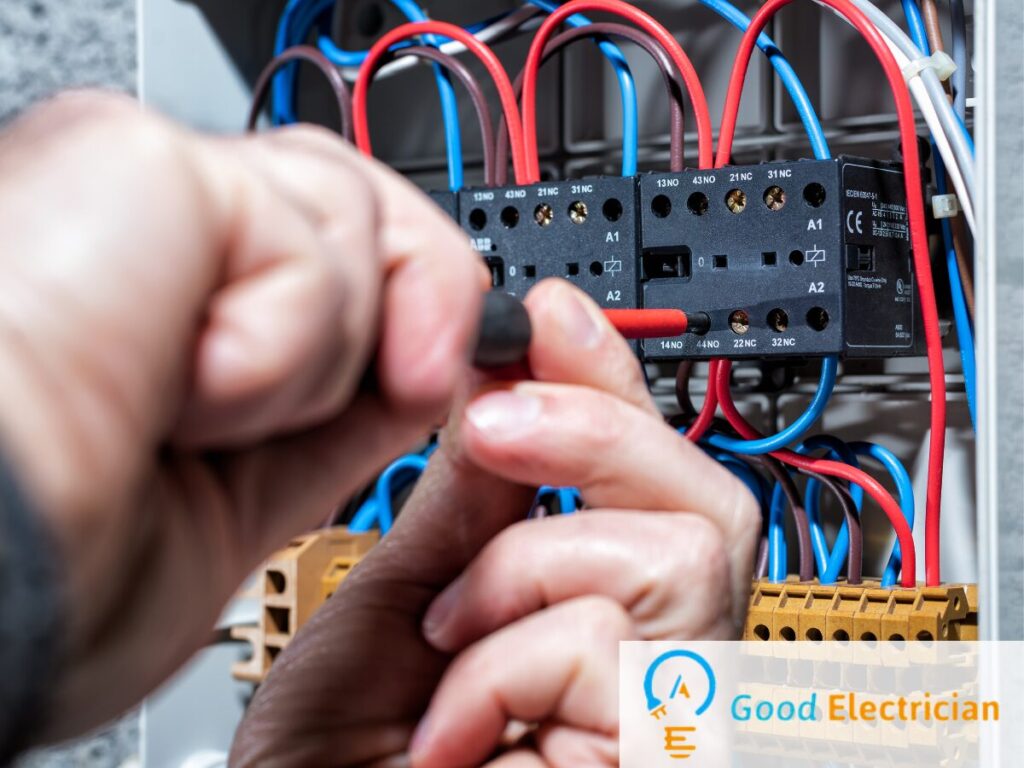
Electrical panels installed decades ago may also contain obsolete components that no longer perform reliably.
Signs of a Defective Breaker
Indicators that the breaker itself may be failing include:
- Breaker trips with very little electrical load
- Breaker feels loose in the panel
- Breaker will not remain reset
- Visible damage to the breaker
- Burning smell from the panel
- Breaker feels unusually hot
It is important to remember that breaker replacement should only occur after confirming that no underlying wiring or appliance issue exists.
How to Fix a Faulty Breaker
A qualified electrician can test circuit performance, measure current loads, inspect wiring conditions, and determine whether the breaker itself has failed.
Breaker replacement involves working inside an energized electrical panel and should ideally be performed by trained professionals or licensed electricians. Improper panel work can create severe shock and fire hazards.
Other Factors That Can Cause Breaker Trips
Several less common situations can also contribute to recurring breaker problems.
Arc Fault Detection
Many newer homes include Arc Fault Circuit Interrupter (AFCI) protection. These devices monitor electrical waveforms and can detect dangerous arcing conditions that standard breakers may miss.
Loose connections, damaged cords, worn switches, and deteriorating wiring can trigger AFCI devices even when no obvious electrical problem is visible.
Electrical Panel Limitations
Older electrical panels may struggle to support modern household demands.
Adding EV chargers, home offices, electric cooking equipment, hot tubs, or workshop equipment can place significant stress on systems that were originally designed decades ago.
Repeated trips across multiple circuits may indicate a need for a professional load calculation and panel evaluation.
Environmental Conditions
Heat, humidity, corrosion, rodent damage, and water intrusion can all affect electrical components.
Outdoor electrical equipment, garage wiring, basement circuits, and attic wiring are particularly vulnerable to environmental deterioration over time.
When You Should Call an Electrician
Some breaker trips have simple explanations, but recurring electrical issues should never be ignored.
Professional evaluation is recommended when:
- The breaker trips repeatedly
- Burning odors are present
- Outlets show discoloration
- Sparks are visible
- Multiple breakers trip regularly
- The electrical panel feels hot
- Lights flicker throughout the home
- Breakers cannot be reset successfully
Electrical problems often worsen over time if left unresolved. Early diagnosis can prevent costly repairs, equipment damage, and potential safety hazards.
Final Thoughts
A breaker that keeps tripping is usually providing valuable warning that something within the electrical system needs attention. Overloaded circuits, short circuits, ground faults, defective appliances, and aging breakers represent the most common causes.
Paying attention to when the breaker trips and what equipment is operating at the time can provide useful clues about the source of the problem. Simple overloads may be resolved by reducing electrical demand, but faults involving wiring, panels, or electrical devices require more thorough investigation.
Rather than repeatedly resetting a breaker and hoping the problem disappears, treat recurring trips as an opportunity to identify and correct the underlying issue. Doing so helps keep your electrical system operating safely, efficiently, and reliably for years to come.