How to Install a Dimmer Switch: A Complete Guide from a Working Electrician
Lighting plays a huge role in how a home feels, and a dimmer switch gives you control that a standard switch simply cannot match. Adjust brightness for movie nights, reduce glare in the evening, or save energy during the day. Many homeowners consider installing a dimmer switch as a DIY upgrade, and with the right approach, it can be done safely.
Homeowners in Northern Virginia often reach out to professionals like A Good Electrician LLC for this type of upgrade, especially when dealing with older wiring or multi-way switch setups. That said, understanding the process helps you make informed decisions whether you plan to do it yourself or hire a licensed electrician.
A quick safety note before getting into the process: electrical work carries real risks. Any installation should ideally be performed by a trained and licensed electrician. If anything feels unclear or unsafe, stop and call a professional.
Understanding Dimmer Switch Types
Dimmer switches are not one-size-fits-all. Choosing the wrong type can lead to flickering lights, buzzing sounds, or even damage to your fixtures.
Single-Pole vs. Three-Way Dimmers
A single-pole dimmer controls a light from one location. This is the most common setup found in bedrooms, living rooms, and dining areas.
A three-way dimmer is used when a light is controlled from two different switches, such as at the top and bottom of a staircase or in a hallway. Installing a three-way dimmer requires more attention to wiring since traveler wires are involved.
LED vs. Incandescent Compatibility
Modern homes mostly use LED lighting, which requires dimmers specifically rated for LEDs. Traditional dimmers designed for incandescent bulbs often cause LEDs to flicker or not dim properly.
Always check the packaging of both your dimmer and bulbs to confirm compatibility. Many newer dimmers are labeled as “universal,” but even then, reviewing specifications is a smart move.
Smart Dimmers
Smart dimmers connect to Wi-Fi or smart home systems, allowing control through apps or voice assistants. Installation is similar to standard dimmers, but they often require a neutral wire, which may not be present in older homes.
Tools and Materials You Will Need
Having everything ready before starting avoids unnecessary interruptions once the power is off.
You will need a screwdriver, wire stripper, voltage tester, and the dimmer switch itself. Wire connectors or wire nuts are usually included with the dimmer, but having extras on hand is always helpful.
A voltage tester is not optional. It is your main line of defense against accidental shock.
Step-by-Step Installation Process
Installing a dimmer switch is not complicated, but attention to detail is critical. Each step should be handled carefully and without rushing.
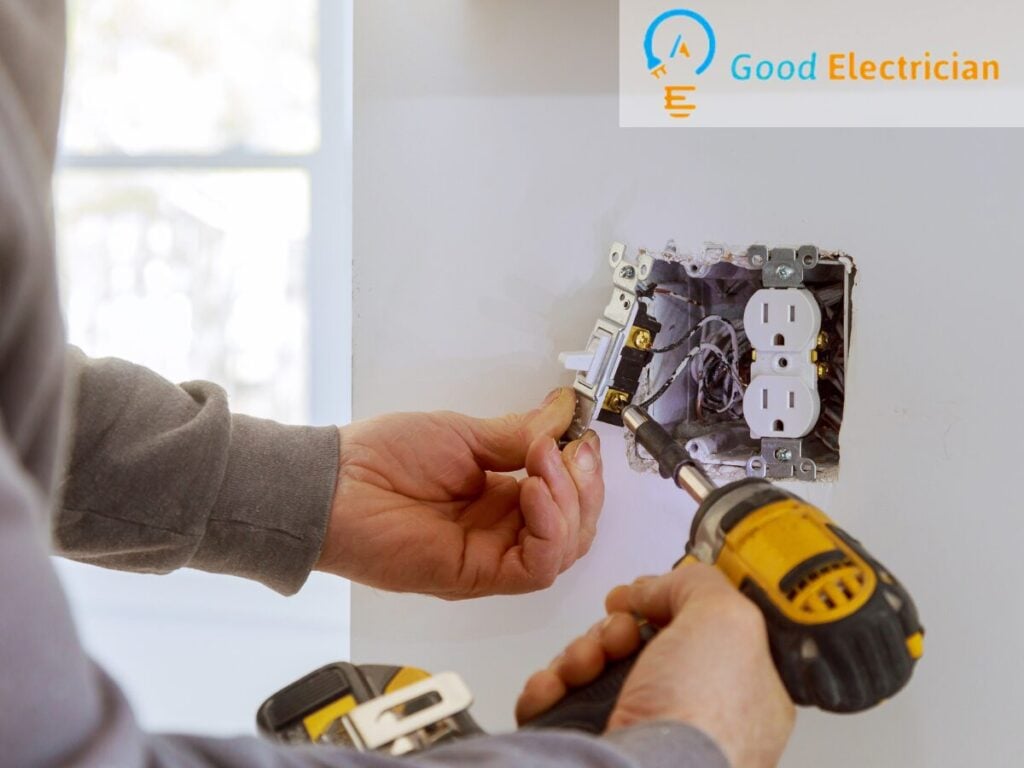
Step 1: Turn Off the Power
Locate your electrical panel and turn off the circuit breaker that controls the light switch you are working on. Do not rely on just flipping the wall switch off.
After shutting off the breaker, use a voltage tester to confirm there is no power running to the switch. Test each wire inside the box before touching anything.
This step protects you from serious injury. Never skip it.
Step 2: Remove the Existing Switch
Unscrew the wall plate and set it aside. Then remove the screws holding the switch in place and gently pull it out from the electrical box.
Take a moment to observe how the wires are connected. You will typically see a hot wire, a load wire, and possibly a ground wire. In three-way setups, you will also see traveler wires.
If you are unsure about the wiring configuration, taking a photo before disconnecting anything can save time later.
Step 3: Disconnect the Wires
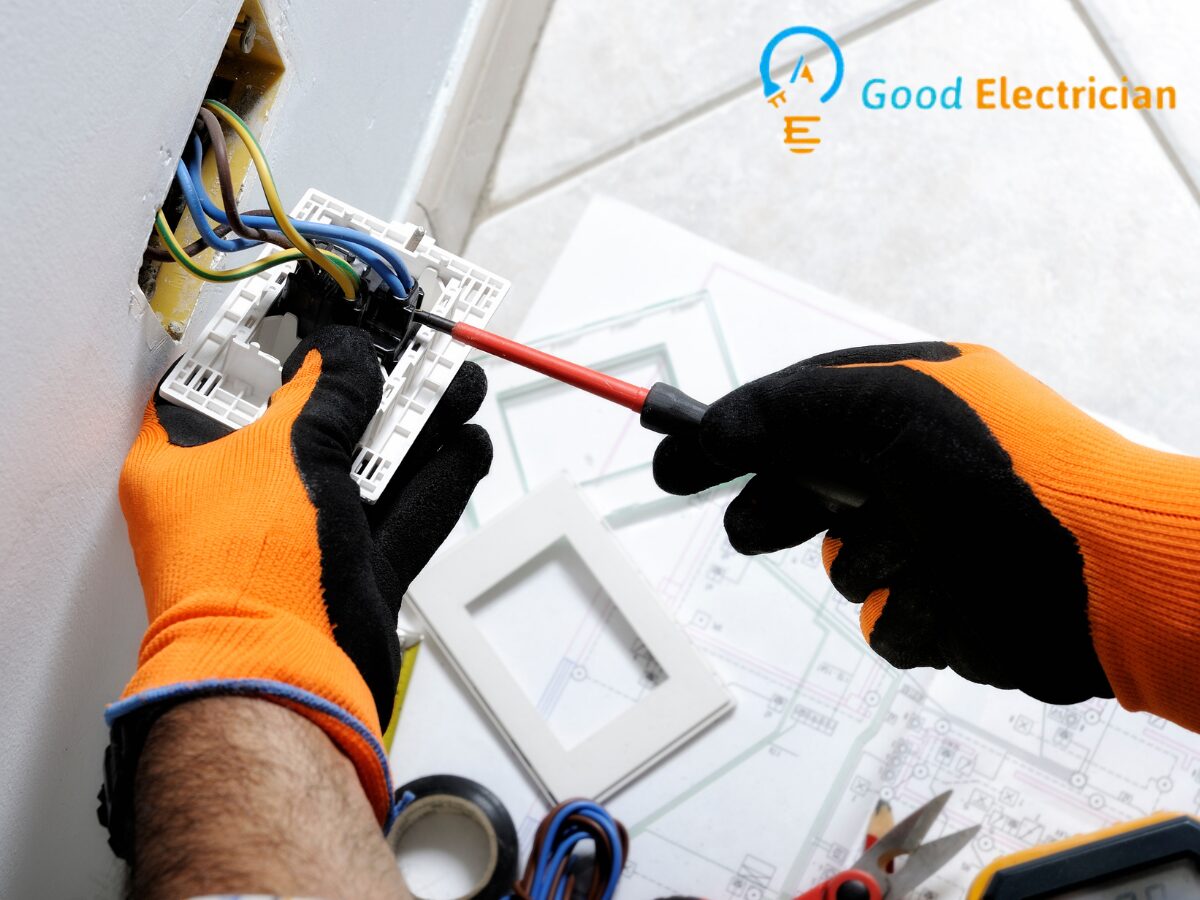
Loosen the terminal screws and carefully remove the wires from the old switch. If the wires are inserted into push-in terminals, you may need a small tool to release them.
Inspect the wire ends. If they are damaged or frayed, trim them slightly and strip fresh insulation to ensure a clean connection.
Step 4: Connect the Dimmer Switch
Follow the wiring diagram provided with your dimmer. Most dimmers come with clearly labeled wires or terminals.
Connect the ground wire first. This is typically green or bare copper. Secure it tightly to the dimmer’s ground screw or wire.
Next, connect the hot and load wires. These are usually black wires, but the exact setup depends on your home’s wiring.
If installing a three-way dimmer, connect the traveler wires according to the manufacturer’s instructions. This step is where mistakes are most common, so double-check each connection.
Use wire connectors to secure the connections and ensure there are no exposed copper strands.
Step 5: Mount the Dimmer in the Box
Carefully fold the wires back into the electrical box. Avoid forcing them, as this can loosen connections or damage insulation.
Position the dimmer switch and secure it with screws. Make sure it sits straight for a clean, professional look.
Reattach the wall plate once the dimmer is firmly in place.
Step 6: Restore Power and Test
Turn the breaker back on and test the dimmer. Gradually adjust the brightness to ensure smooth operation.
Check for any flickering, buzzing, or inconsistent performance. If you notice issues, turn the power off again and recheck your wiring.
Common Issues and How to Avoid Them
Even a straightforward installation can run into problems if certain details are overlooked.
Flickering lights often point to compatibility issues between the dimmer and the bulbs. Switching to dimmable LEDs or upgrading the dimmer usually resolves this.
Buzzing sounds can come from loose connections or low-quality dimmers. Tightening connections or replacing the dimmer with a higher-quality model can help.
If the lights do not turn on at all, the wiring may be incorrect. Double-check each connection against the wiring diagram.
When to Call a Professional
Some installations go beyond basic DIY work. Older homes may have outdated wiring that does not meet current safety standards. Multi-way switch setups can also become confusing if the wiring is not clearly labeled.
Smart dimmers often require a neutral wire, and many older electrical boxes do not have one. Attempting to force a solution without proper knowledge can lead to bigger issues.
A licensed electrician can handle these situations quickly and safely, ensuring everything meets code requirements.
Safety Considerations That Should Never Be Ignored
Electricity is unforgiving. Small mistakes can lead to serious consequences, including shock, fire hazards, or damage to your electrical system.
Always verify that the power is off before touching any wires. Use proper tools and avoid makeshift solutions.
Never overload a dimmer beyond its rated capacity. Each dimmer has a maximum wattage limit, and exceeding it can cause overheating.
Install dimmers only in suitable environments. Bathrooms, kitchens, or outdoor areas may require switches rated for moisture resistance.
Any installation or electrical modification should ideally be handled by a trained professional to ensure safety and compliance with local codes.
Final Thoughts
A dimmer switch is a simple upgrade that delivers noticeable improvements in comfort, energy use, and lighting control. The installation process is manageable for those with basic electrical knowledge, but it demands careful attention at every step.
Knowing your wiring, choosing the right dimmer, and following safe practices make all the difference. When in doubt, bringing in a professional is always the safer choice.
Lighting should work for your lifestyle, not against it. A properly installed dimmer gives you that control with a clean, modern touch.