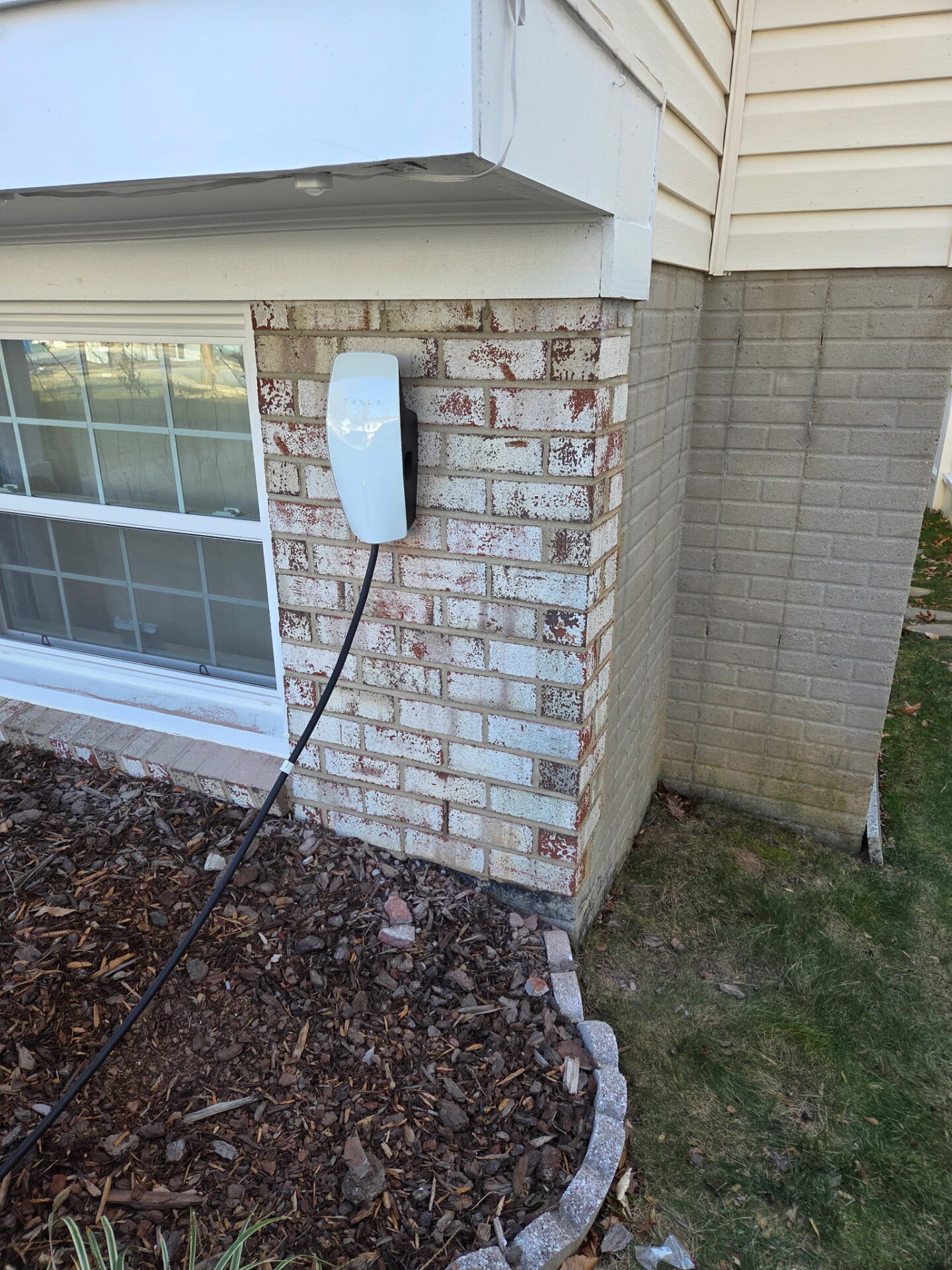
Tesla Wall Connector vs. Universal Level 2 Chargers: Which Should You Install?
Electric vehicle ownership continues to grow rapidly, and one of the first decisions many EV owners face is choosing the right home charging equipment. For Tesla owners, the choice often comes down to installing a Tesla Wall Connector or selecting a universal Level 2 charger that can work with multiple electric vehicle brands. Both options offer fast, convenient home charging, but they differ in compatibility, features, installation considerations, and long-term flexibility.
Home charging equipment is a significant investment, and the right choice depends on more than just the vehicle currently parked in your garage. Future vehicle purchases, charging speed requirements, smart features, and electrical system capacity all play a role in determining which charger makes the most sense.
Home charging installations should always be evaluated and performed by trained electricians to ensure compliance with local electrical codes, proper circuit sizing, and safe operation. At A Good Electrician LLC, we regularly help homeowners assess panel capacity, install dedicated circuits, and select charging equipment that aligns with both current and future EV needs.
Understanding the Difference Between Tesla Wall Connectors and Universal Level 2 Chargers
Before comparing specific advantages and disadvantages, it helps to understand what separates these two categories.
A Tesla Wall Connector is Tesla’s proprietary home charging station designed specifically for Tesla vehicles. Recent versions are available with either Tesla’s North American Charging Standard (NACS) connector or a Universal Wall Connector configuration that includes an integrated adapter for broader compatibility.
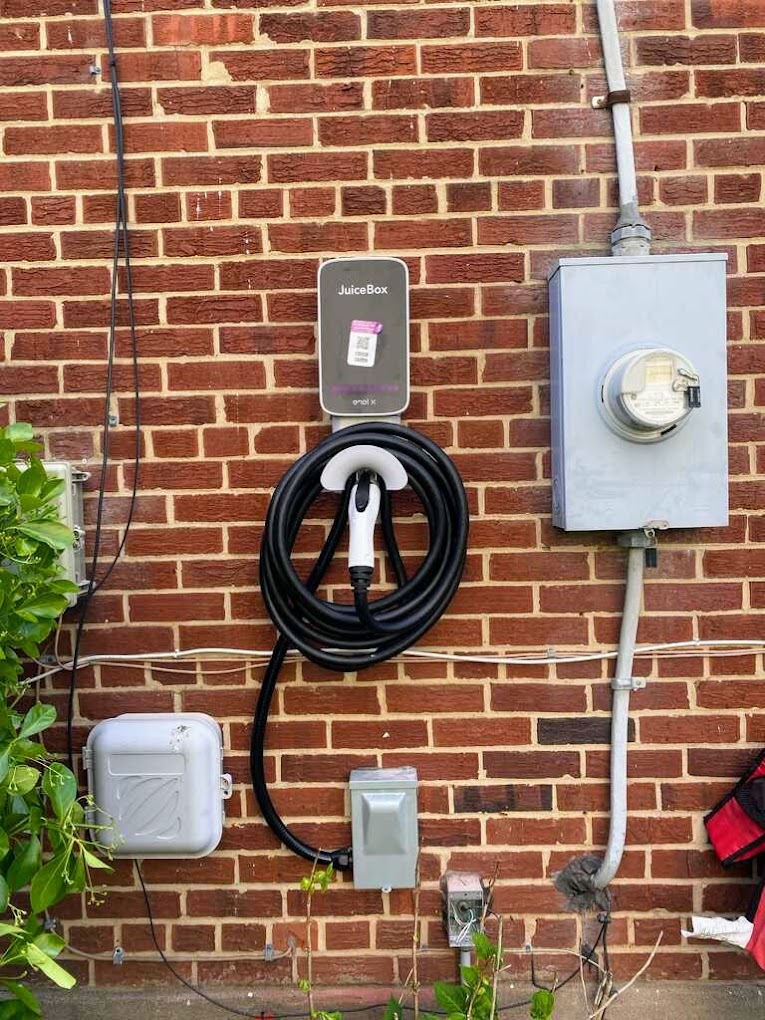
Universal Level 2 chargers are charging stations manufactured by companies such as ChargePoint, Emporia, Wallbox, Autel, Enphase, and others. These chargers are designed to work with multiple vehicle brands and typically use either J1772 connectors or NACS connectors depending on the model.
Both charger types operate using 240-volt power and are considered Level 2 charging equipment. Compared to a standard 120-volt outlet, Level 2 charging dramatically reduces charging times and provides the practical charging speeds most homeowners expect.
The biggest distinction is not charging technology itself but compatibility, ecosystem integration, and future flexibility.
Charging Speed Comparison
Many homeowners assume all Level 2 chargers deliver the same charging performance, but actual charging speeds depend on several factors.
The vehicle’s onboard charger ultimately determines how much power it can accept. Installing a higher-capacity charger does not automatically mean faster charging if the vehicle cannot utilize the available power.
Tesla Wall Connectors can provide up to 48 amps of charging output when connected to an appropriately sized circuit. Under ideal conditions, Tesla estimates charging rates of approximately 44 miles of range per hour for compatible vehicles.
Many premium universal Level 2 chargers also deliver up to 48 amps. Some commercial-grade units can support even higher outputs, though most residential installations operate within the 40- to 48-amp range due to common residential electrical service limitations.
For most homeowners, there is little practical difference in charging speed between a Tesla Wall Connector and a quality universal Level 2 charger when both are properly sized and matched to the vehicle’s charging capabilities.
The more important question often becomes compatibility and long-term usability rather than raw charging performance.
Compatibility and Vehicle Flexibility
Compatibility is often the deciding factor for homeowners choosing between these charging solutions.
When a Tesla Wall Connector Makes Sense
Tesla owners who exclusively drive Tesla vehicles may find the Wall Connector appealing due to its seamless integration with Tesla’s ecosystem.
The charger communicates effectively with Tesla vehicles, offers a streamlined user experience, and matches the design language of Tesla products. Setup through Tesla’s software ecosystem is straightforward, and charging sessions are easily monitored through Tesla’s mobile app.
Households with multiple Tesla vehicles can also benefit from Tesla’s power-sharing functionality. Multiple Wall Connectors can intelligently distribute available electrical capacity among several vehicles charging simultaneously.
If every current and planned vehicle in the household is expected to be a Tesla, a Wall Connector can be a practical solution.
When Universal Chargers Offer More Flexibility
Vehicle ownership patterns often change over time.
A homeowner who currently owns a Tesla may later purchase an EV from Ford, Rivian, Hyundai, Kia, BMW, Mercedes-Benz, General Motors, or another manufacturer. Family members may also drive different brands.
Universal Level 2 chargers provide broader compatibility without requiring adapters or additional charging equipment. This flexibility can simplify charging logistics and preserve value if household vehicle preferences change.
As the North American charging market continues transitioning toward NACS adoption, many universal chargers now support both connector standards or offer interchangeable cable options, making them increasingly future-proof.
For households with multiple EV brands or uncertain future vehicle purchases, a universal charger often provides greater long-term versatility.
Installation Requirements and Electrical Considerations
Many homeowners focus heavily on charger features while overlooking the electrical infrastructure required to support the installation.
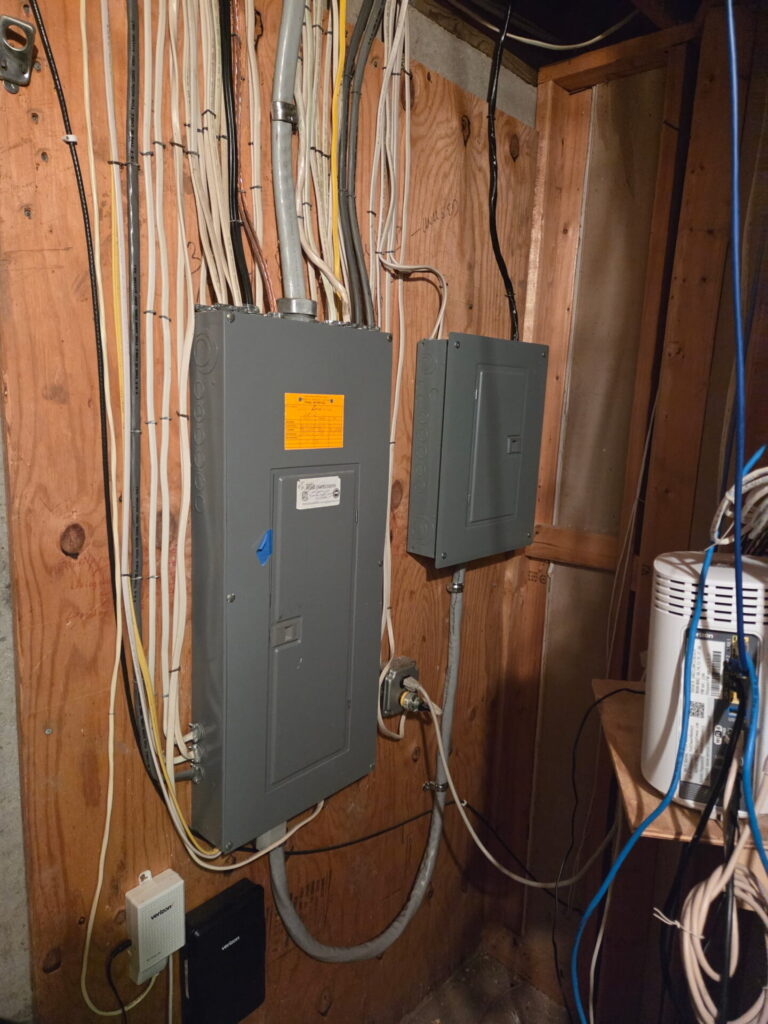
The charger itself is only one component of the project. The home’s electrical service, panel capacity, available breaker space, wiring path, and local code requirements often influence project costs more than the charging unit itself.
Most residential Level 2 chargers require a dedicated 240-volt circuit. Common circuit sizes include:
- 40-amp circuits
- 50-amp circuits
- 60-amp circuits
Higher charging outputs require larger conductors and appropriately sized overcurrent protection devices.
Installation requirements for Tesla Wall Connectors and universal chargers are generally very similar. Both may be hardwired directly to the electrical system or connected through approved receptacle configurations, depending on manufacturer specifications and local code requirements.
Any EV charger installation should be designed and installed by qualified electricians who understand load calculations, National Electrical Code requirements, grounding, circuit protection, and utility service limitations.
Electrical Panel Capacity Matters More Than Charger Brand
One common misconception is that selecting a specific charger automatically determines charging performance.
In reality, the electrical panel often becomes the limiting factor.
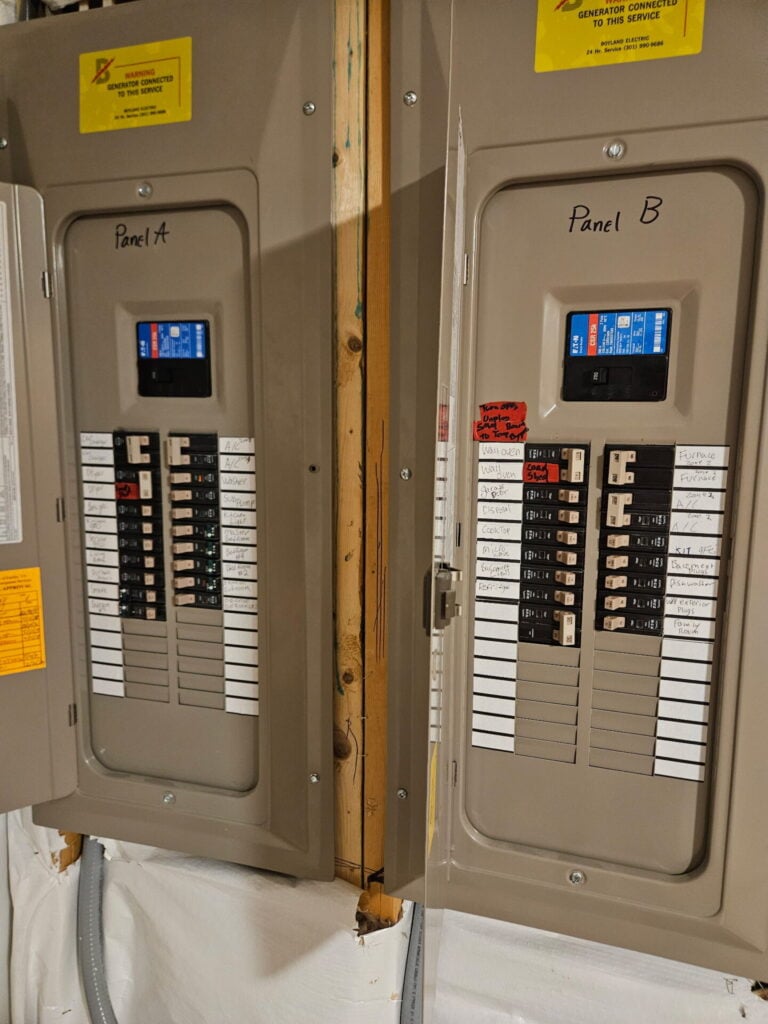
Many older homes were built before electric vehicles became common and may have limited available electrical capacity. A load calculation may reveal that panel upgrades or load management solutions are necessary before installing a high-powered charger.
Modern EV charging systems increasingly support dynamic load management features that automatically adjust charging rates based on household electrical demand. Both Tesla and several universal charger manufacturers offer solutions that help maximize charging capability without immediately requiring costly service upgrades.
A professional site evaluation can determine whether the existing electrical service can accommodate the desired charging equipment safely.
Smart Features and Connected Technology
Today’s EV chargers are significantly more sophisticated than earlier generations.
Many homeowners want detailed charging data, scheduling options, energy monitoring, and utility rate optimization. Smart features have become a major consideration when comparing charger options.
Tesla Wall Connectors integrate naturally within Tesla’s software ecosystem. Vehicle charging schedules, charging limits, and energy usage are accessible through Tesla’s mobile app and vehicle interface.
Many universal chargers provide similar functionality through dedicated mobile applications. Depending on the manufacturer, features may include:
- Energy consumption tracking
- Time-of-use scheduling
- Utility rebate integration
- Remote charger control
- Charging session history
- Solar energy integration
- Load balancing
- Multiple user management
Some third-party chargers actually offer more advanced energy monitoring than Tesla’s charging equipment, particularly for homeowners interested in maximizing solar production or managing whole-home energy consumption.
The best choice depends on whether a homeowner prefers Tesla ecosystem integration or broader energy management functionality.
Future-Proofing Your Home Charging Investment
The EV industry is changing rapidly.
Charging standards, utility programs, smart energy systems, and vehicle capabilities continue to evolve. A charger installed today will likely remain in service for many years, making future compatibility an important consideration.
Tesla’s North American Charging Standard has gained widespread industry support, with many major automakers committing to NACS adoption. This shift has reduced some compatibility concerns that previously existed between Tesla and non-Tesla charging equipment.
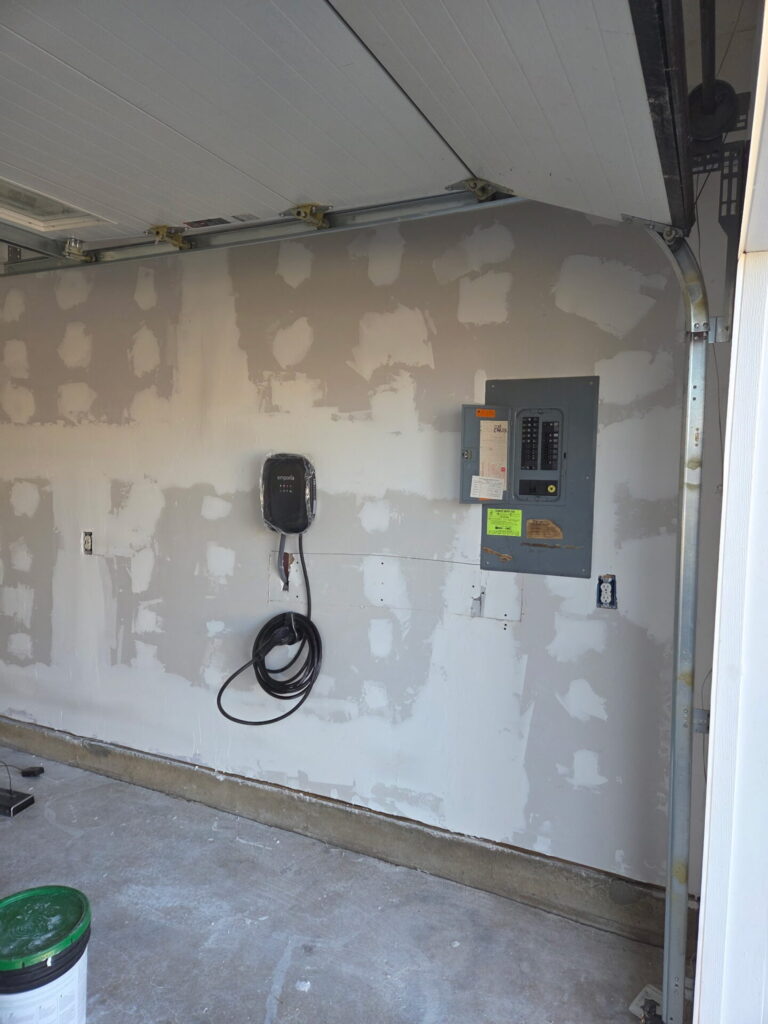
At the same time, many universal charger manufacturers have responded by introducing NACS-compatible products or dual-standard charging solutions.
Future-proofing often comes down to household circumstances rather than industry predictions.
A dedicated Tesla household planning to remain within the Tesla ecosystem may find the Wall Connector perfectly suitable for years to come.
Households expecting multiple EV brands, growing charging needs, or potential vehicle changes may appreciate the flexibility offered by universal charging equipment.
Cost Considerations Beyond Equipment Price
Consumers frequently compare charger prices without evaluating total project costs.
The charging unit itself often represents only a portion of the overall investment. Installation expenses may include:
- Dedicated circuit installation
- Breakers and wiring
- Conduit and fittings
- Electrical panel modifications
- Permit fees
- Inspection requirements
- Service upgrades when necessary
A charger located near the electrical panel may cost significantly less to install than one requiring a long wiring run through finished spaces.
Tesla Wall Connectors are generally competitively priced compared to premium universal chargers. Some universal chargers may cost slightly more due to expanded feature sets or advanced energy monitoring capabilities.
Installation costs, however, are often substantially more important than equipment cost differences.
Obtaining a professional site assessment provides a much clearer understanding of actual project expenses.
Which Option Is Best for Most Homeowners?
Neither charger category is universally better.
The right choice depends on vehicle ownership plans, household charging needs, electrical infrastructure, and desired smart features.
A Tesla Wall Connector is often a strong choice for households committed to Tesla vehicles and seeking seamless integration with Tesla’s ecosystem. It delivers reliable charging performance, clean aesthetics, and excellent compatibility within the Tesla environment.
A universal Level 2 charger is frequently the better choice for homeowners who value flexibility, own multiple EV brands, anticipate future vehicle changes, or want broader compatibility without relying on adapters.
From an electrical installation standpoint, both solutions require similar planning, proper circuit sizing, code-compliant installation practices, and professional evaluation of the home’s electrical capacity.
Final Thoughts
Home EV charging is one of the most valuable upgrades an electric vehicle owner can make. Charging overnight at home provides convenience, lower operating costs, and greater confidence for daily driving.
Choosing between a Tesla Wall Connector and a universal Level 2 charger ultimately comes down to balancing current needs with future flexibility. Tesla owners focused exclusively on Tesla vehicles may appreciate the simplicity and integration of Tesla’s charging ecosystem. Homeowners seeking maximum compatibility across multiple EV brands may benefit from a universal charger’s versatility.
Before purchasing any charging equipment, it is wise to evaluate electrical panel capacity, circuit availability, installation location, charging requirements, and long-term vehicle plans. Since every home’s electrical system is different, charger installations should always be designed and performed by trained electricians to ensure safety, code compliance, and optimal charging performance for years to come.
This kind of mismatch often traces back to a poorly planned DIY upgrade or an outdated system that was never meant to support today’s power-hungry appliances and electronics. When you plug in a high-demand device—like a space heater, gaming PC, or microwave—on a circuit that wasn’t designed for that load, you’re not just putting stress on the breaker. You’re cooking the wiring behind your walls.