Install Under Cabinet Lighting: A Practical Guide
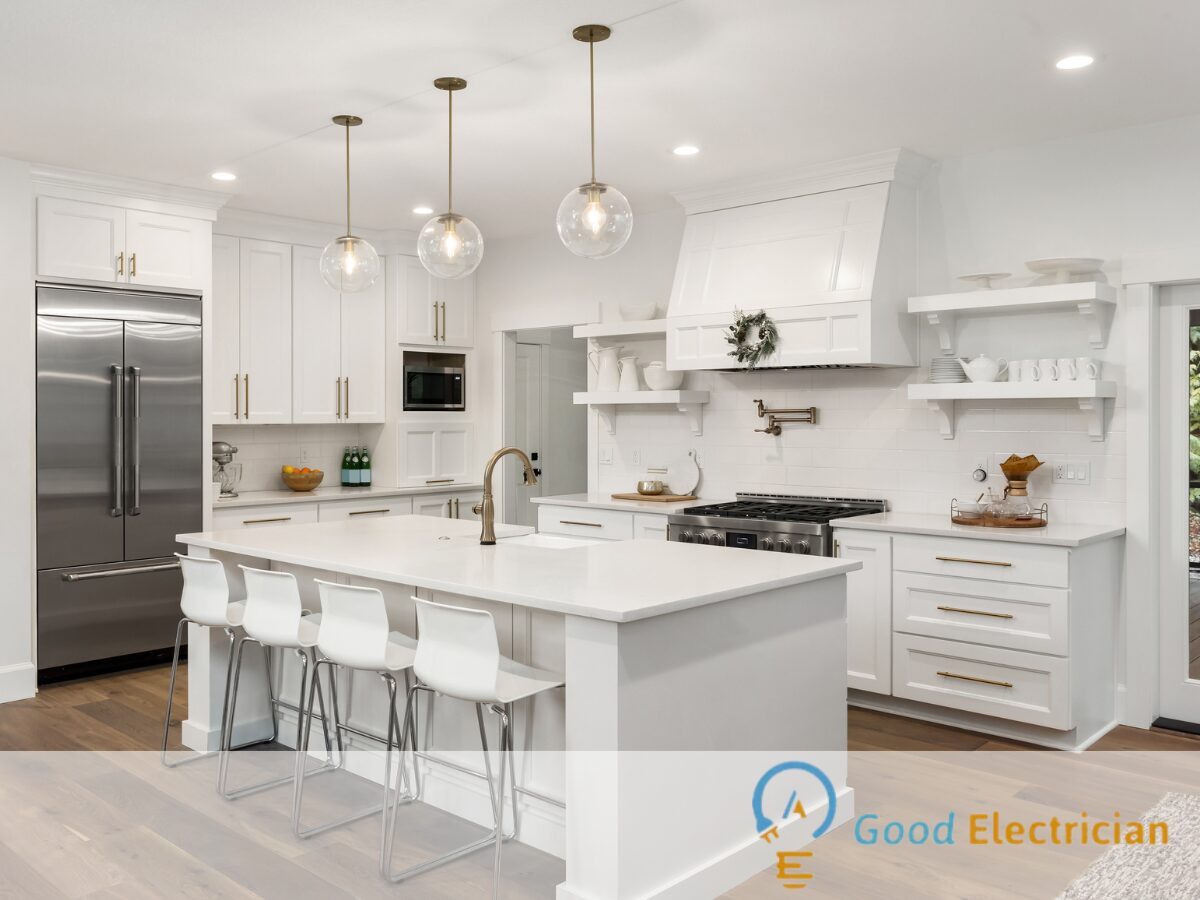
Under cabinet lighting has moved from a luxury feature to a practical upgrade that improves how a kitchen or workspace actually functions. Properly installed lighting beneath cabinets eliminates shadows on countertops, improves visibility for food prep, and adds a clean, finished look that standard ceiling fixtures rarely achieve. Homeowners also appreciate the added ambiance during evenings when overhead lights feel too harsh.
A Good Electrician LLC often helps homeowners upgrade their kitchens with modern lighting solutions, including under cabinet systems that are safe, efficient, and tailored to the layout. That kind of professional support becomes especially useful when dealing with wiring, load calculations, and clean integration with existing circuits.
Why Under Cabinet Lighting Matters More Than You Think
Overhead lighting alone creates shadows because your body blocks the light while working at the counter. Under cabinet lighting solves that by placing illumination exactly where it’s needed. This improves safety while cutting, cooking, or using appliances.
Energy efficiency is another advantage. Most modern under cabinet systems use LED technology, which consumes far less electricity than older halogen or fluorescent options. LEDs also last longer, which reduces maintenance and replacement costs over time.
Visual appeal is a major factor as well. Lighting installed under cabinets highlights backsplash materials, countertops, and finishes. It can subtly elevate the entire look of a kitchen without a major renovation.
Types of Under Cabinet Lighting Systems
Choosing the right type of lighting is the first step in a successful installation. Each option has its own use case, installation method, and performance level.
LED Strip Lights
LED strips are one of the most popular choices due to their flexibility and slim design. They can be cut to length and fit neatly along cabinet edges. Many come with adhesive backing, though professional installations often secure them more permanently.
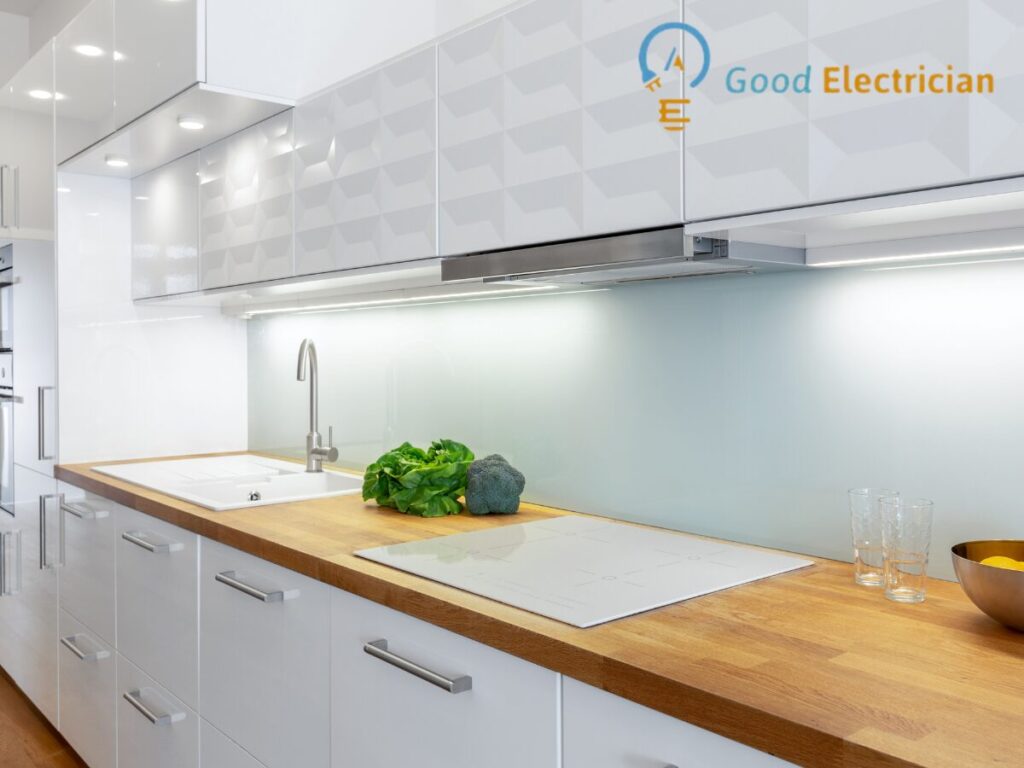
These lights provide even illumination and can be dimmable. Some models allow color temperature adjustment, which helps match the rest of the kitchen lighting.
LED Light Bars
Light bars are rigid fixtures that offer a more structured installation. They provide consistent brightness and often come in fixed lengths. These are ideal for homeowners who want a uniform look without dealing with flexible strips.
They usually require mounting clips or screws, making them slightly more involved to install than adhesive strips.
Puck Lights
Puck lights are small, round fixtures that create focused beams of light. They are often used for accent lighting rather than full task lighting. While they look stylish, they can create uneven lighting if not spaced properly.
They work well when combined with other lighting types rather than used alone.
Hardwired vs Plug-In Systems
Hardwired systems connect directly to your home’s electrical wiring. They offer a cleaner look with no visible cords and can be controlled by wall switches or smart systems.
Plug-in systems are easier to install and suitable for quick upgrades. They plug into an outlet and may include inline switches or remote controls.
Planning the Installation
Planning determines whether the final result looks seamless or like an afterthought. Proper layout, spacing, and power considerations all play a role.
Measuring and Placement
Accurate measurements ensure even lighting coverage. Fixtures should typically be installed toward the front of the cabinet underside. This positioning reduces shadows and directs light onto the work surface rather than the wall.
Spacing is important when using multiple fixtures. Gaps between lights can create uneven brightness, so planning for consistent coverage is key.
Power Source Considerations
One of the first questions is where the power will come from. Existing outlets can sometimes be used for plug-in systems, but hardwired setups often require tapping into an existing circuit.
Load capacity should always be evaluated. Even though LED systems use minimal power, multiple fixtures combined with other appliances can add up.
Switch Options
Switch control adds convenience. Options include wall switches, dimmers, motion sensors, and smart controls. Dimmers are especially useful for adjusting brightness depending on the time of day.
Smart switches allow control through mobile apps or voice assistants, which adds flexibility without changing the physical wiring significantly.
Installation Process Overview
Installing under cabinet lighting involves more than just sticking lights in place. Proper wiring, secure mounting, and clean cable management are essential for both safety and appearance.
A short disclaimer is important here: electrical work should ideally be performed by trained professionals or licensed electricians to ensure safety and compliance with local codes.
Preparing the Area
Cabinet undersides should be cleaned and inspected. Any grease or dust can affect adhesion or mounting stability. Planning cable routes at this stage helps avoid visible wires later.
Mounting the Fixtures
Fixtures are installed based on the chosen type. Strip lights may be adhered or clipped into channels. Light bars and puck lights are usually screwed into place.
Alignment matters. Crooked installations are noticeable once the lights are on, so taking time to level fixtures is worth the effort.
Wiring Connections
For plug-in systems, cables are routed to the nearest outlet. For hardwired systems, wiring is connected to the electrical circuit, often through a junction box.
Connections should be secure and properly insulated. Loose wiring can lead to flickering or potential hazards.
Testing and Adjustments
Once installed, the system should be tested for brightness, consistency, and control functionality. Adjustments may include repositioning fixtures or tweaking dimmer settings.
Common Mistakes to Avoid
Many under cabinet lighting projects fail to deliver the expected results due to avoidable mistakes.
One common issue is placing lights too far back under the cabinet. This creates shadows on the countertop instead of eliminating them.
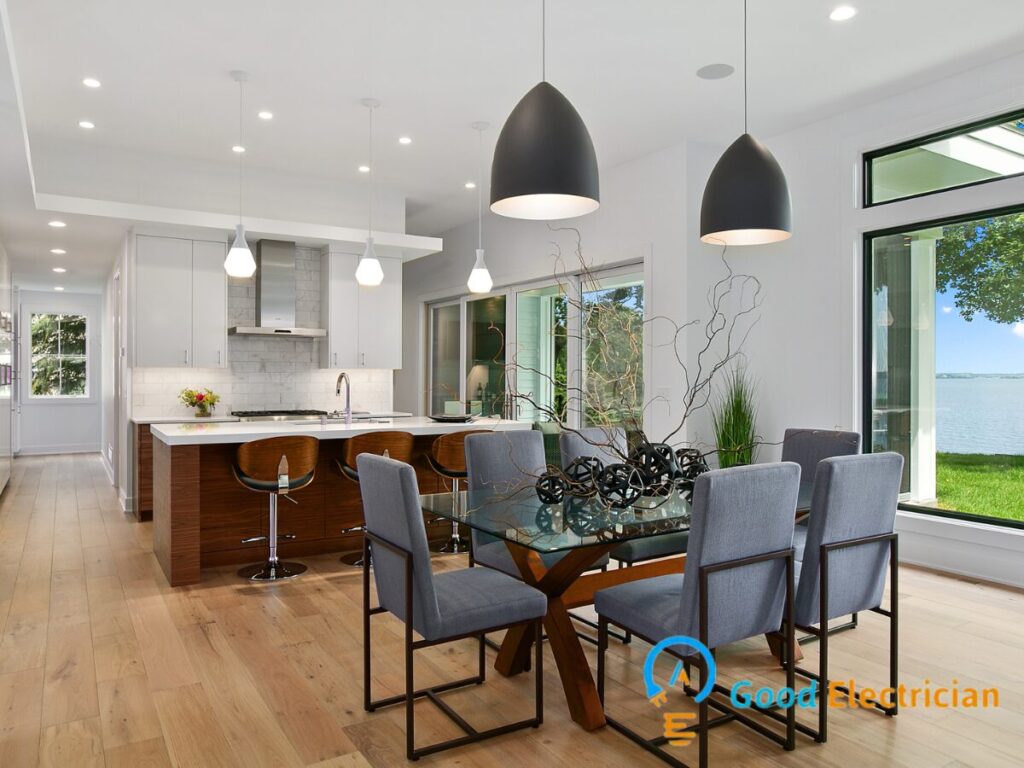
Another mistake is choosing the wrong color temperature. Warm white lighting may look cozy but can distort colors during food prep. Cool white or neutral white often works better for task lighting.
Poor cable management is another problem. Visible wires can ruin the clean look that under cabinet lighting is supposed to create.
Skipping dimmers is also a missed opportunity. Fixed brightness levels can feel too harsh at night or too dim during the day.
Modern Trends in Under Cabinet Lighting
Lighting technology continues to improve, and under cabinet systems are no exception.
Smart lighting integration is becoming more common. Homeowners can control brightness, color, and scheduling through apps or voice assistants.
Tunable white LEDs allow users to shift between warm and cool tones depending on the time of day. This supports better lighting for both cooking and relaxing.
Low-profile aluminum channels are gaining popularity. These not only hold LED strips but also act as heat sinks, extending the lifespan of the lights.
Wireless control systems are also improving, reducing the need for complex wiring while still offering advanced features.
Maintenance and Longevity
Under cabinet lighting requires minimal maintenance, especially when using LEDs. Still, a few practices help keep the system performing well.
Regular cleaning prevents dust buildup that can dim light output. Checking connections occasionally ensures everything remains secure.
LEDs can last tens of thousands of hours, but drivers or power supplies may need replacement sooner. Keeping components accessible makes future maintenance easier.
When to Call a Professional
Simple plug-in systems may be manageable for experienced DIYers, but many installations benefit from professional handling.
Hardwired systems require knowledge of electrical codes and safe wiring practices. Integrating lighting with existing circuits, installing new switches, or upgrading panels are tasks best handled by licensed electricians.
A short reminder applies here as well: electrical installations should ideally be performed by trained professionals to reduce risk and ensure long-term reliability.
Final Thoughts
Under cabinet lighting is one of the most effective upgrades for improving both function and appearance in a kitchen or workspace. The difference it makes is noticeable from the first day, especially during everyday tasks.
Choosing the right type of lighting, planning the layout carefully, and installing it properly all contribute to a result that looks clean and performs reliably. Whether the goal is better visibility, energy savings, or a more polished interior, under cabinet lighting delivers strong value when done right.