When Is It Time for an Electrical Upgrade? Signs Your Home Needs More Power
Every home runs on electricity, but many homeowners don’t realize just how much demand modern living places on an electrical system. Older panels, outdated wiring, and insufficient capacity can cause more than just inconvenience—they can put your property and safety at risk. Knowing when it’s time for an electrical upgrade is essential if you want to protect your home, keep appliances running smoothly, and prepare for today’s increasing energy needs.
At A Good Electrician, we often help Northern Virginia homeowners with panel upgrades, smart home installations, and EV charger setups when their current electrical systems can’t keep up. If you’re unsure whether your home is due for an upgrade, here are the most common signs and situations where more power is not just helpful but necessary.
Frequent Breaker Trips
Circuit breakers are designed to shut off power when a circuit becomes overloaded. Occasional trips can happen in any household, especially if multiple high-wattage devices are used at once. But if your breakers trip often—weekly or even daily—that’s a sign your system is working beyond its capacity.
Breakers that constantly trip are not only frustrating but may also signal deeper issues. Overloaded wiring can overheat, damage insulation, and increase the risk of fire. Replacing a single breaker might fix the symptom temporarily, but the long-term solution often requires upgrading your panel or rewiring circuits to safely distribute the load.
Outlets and Switches Feel Warm
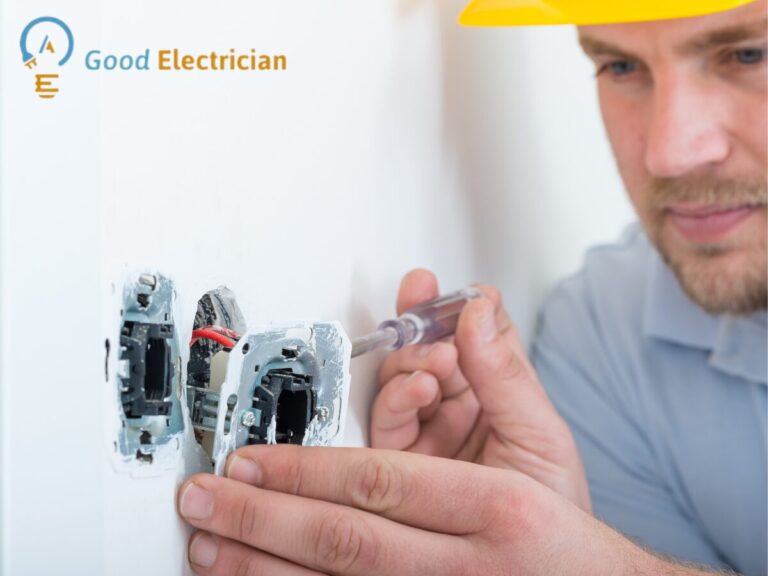
Electrical outlets and light switches should never feel hot to the touch. Warm or discolored outlets are red flags for overloaded circuits, loose connections, or deteriorating wiring. In some cases, you may also notice a faint burning smell near outlets or switches—this is an urgent warning that should not be ignored.
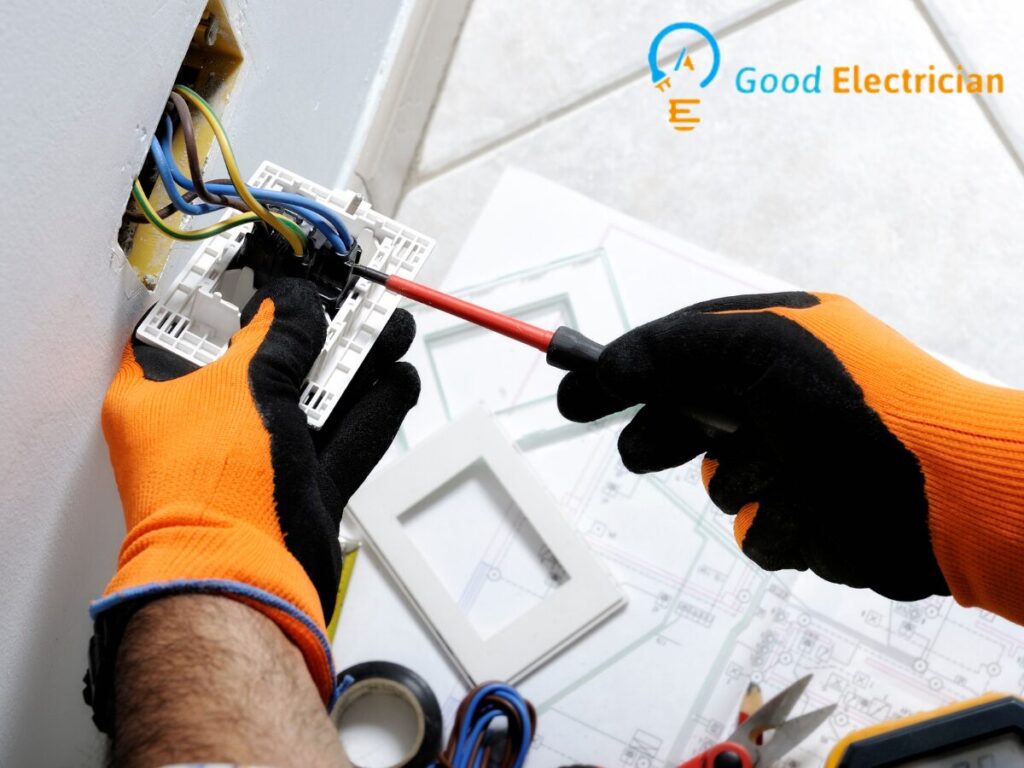
Upgrading circuits or replacing worn wiring is the only safe response. This type of work should always be performed by a licensed electrician to ensure the problem is resolved without introducing new hazards.
Lights Flicker or Dim Unexpectedly
Lights that dim when you run appliances like the dishwasher, microwave, or vacuum cleaner suggest your electrical system is being stretched thin. Flickering is especially noticeable in older homes that were not designed for today’s high electrical demands.
Inconsistent voltage not only bothers homeowners but can also shorten the lifespan of electronics and appliances. If your lights dim every time a major appliance turns on, it’s a strong indicator that your panel may not be supplying steady, sufficient power. An upgrade can stabilize voltage and protect your investments.
You Rely Heavily on Extension Cords
Extension cords are useful for short-term needs, but they’re not meant to handle permanent loads. If you find yourself plugging in extension cords or power strips in every room, it’s a clear sign that your home lacks enough outlets to support your lifestyle.
Older homes often have too few outlets per room, leading residents to improvise with power strips. This puts stress on circuits, increases the risk of overheating, and creates tripping hazards. Upgrading your system to add more circuits and outlets eliminates this problem and ensures power is safely distributed throughout your home.
Your Home Still Uses a Fuse Box
Fuse boxes were standard in homes built before the 1960s, but they are not equipped for today’s energy use. While fuses technically provide the same protective function as breakers, they were never designed to handle modern loads like central air conditioning, multiple televisions, or EV chargers.
If your home still runs on fuses, it’s overdue for an upgrade. Modern breaker panels not only provide higher capacity but also support specialized circuits for appliances, EV chargers, and smart home systems. Replacing a fuse box is not a DIY task and should always be handled by a licensed professional.
New Appliances Strain Your System
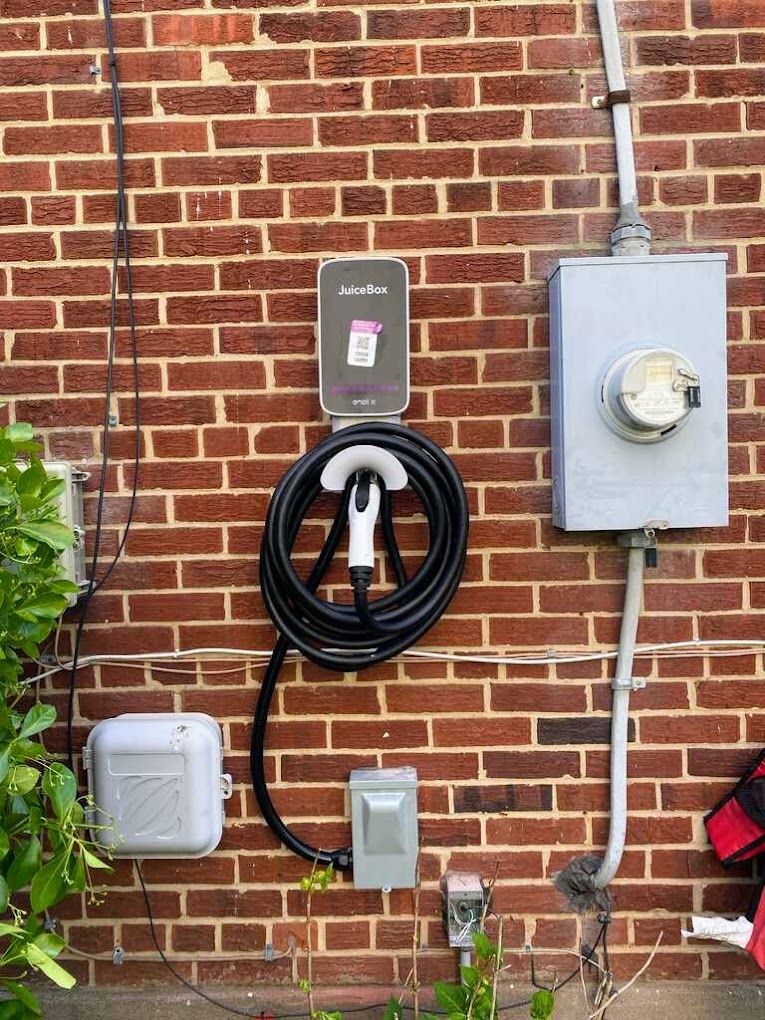
Adding a new refrigerator, double oven, hot tub, or electric vehicle charger can put a heavy strain on your electrical panel. These high-demand appliances require dedicated circuits, and older panels often don’t have room or capacity to support them.
If you’ve noticed that appliances cause flickering, breaker trips, or unusual noises from your panel, it’s time to evaluate whether your system needs expansion. Many homeowners upgrading their kitchens or switching to electric vehicles discover that their panel is undersized for modern living.
You’re Planning Renovations or an Addition
Renovations and home additions are exciting opportunities to increase comfort and functionality. However, they also add electrical demand. A basement renovation with a home theater, an office filled with tech equipment, or even a new HVAC system can quickly overwhelm an older panel.
Before starting construction, consult with an electrician to determine if your system can handle the extra load. Upgrading the panel during renovation is far more cost-effective than trying to retrofit once the project is complete.
Safety Concerns and Code Compliance
Electrical codes evolve to improve safety standards. If your home hasn’t been inspected in decades, it may not meet current requirements. Outdated wiring, lack of grounding, or insufficient capacity can all create hazards.
In addition, insurance companies increasingly require electrical systems to meet modern codes, especially if you’re buying, selling, or refinancing a property. An electrical upgrade not only keeps your family safe but also ensures your home remains insurable and market-ready.
Signs of Panel Trouble
Your main electrical panel is the heart of your system. Warning signs of a struggling or failing panel include:
- Buzzing or crackling noises
- Rust, corrosion, or visible damage
- Breakers that won’t reset or stay in the “on” position
- A panel that feels hot to the touch
These issues often point to aging equipment or overloaded circuits. If you notice any of them, don’t delay in calling a licensed electrician. A failing panel is a serious safety hazard that should never be ignored.
Preparing for the Future of Energy
Homes today consume more electricity than ever before, and the demand will only grow. Electric vehicles, solar power integration, smart devices, and all-electric heating are becoming more common in Northern Virginia and beyond. Without a properly sized and modernized electrical system, homeowners may find themselves constantly running into limitations.
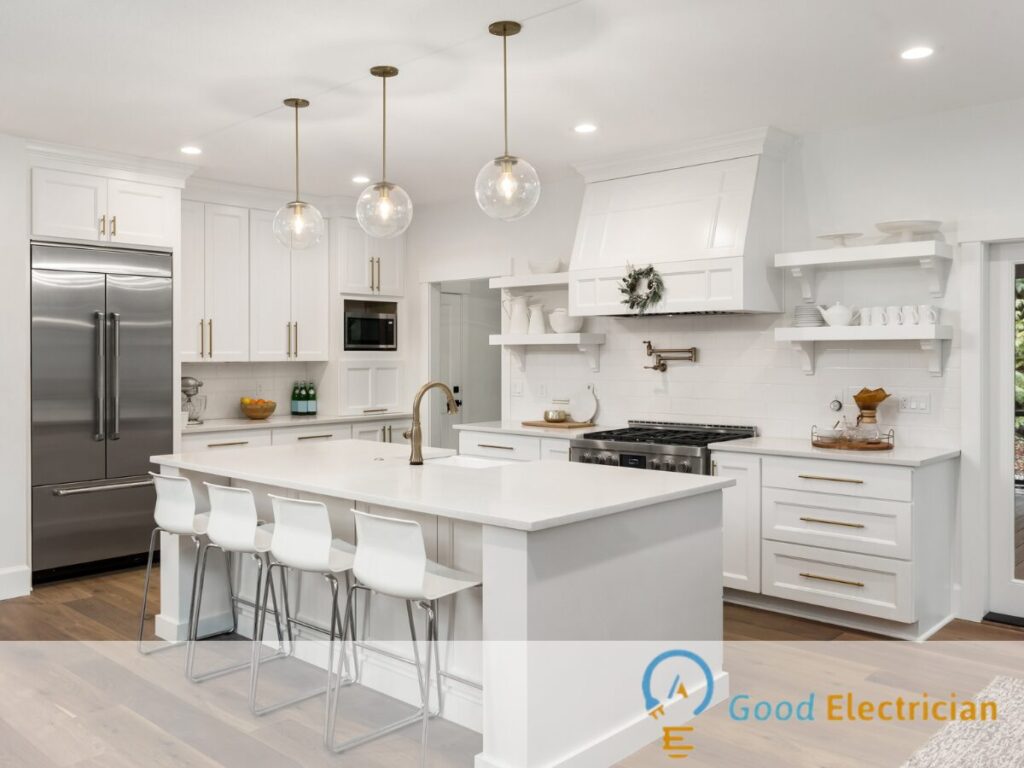
An upgrade prepares your home for the future, allowing you to embrace new technology without worry. It also adds value, efficiency, and peace of mind knowing your home is safe and capable of supporting your lifestyle.
When to Call a Professional
Electrical work is not a DIY project. Attempting panel upgrades, rewiring, or adding circuits without proper training can lead to injury, fire, or code violations. A licensed electrician has the experience and equipment needed to assess your system, recommend the right solutions, and carry out the work safely.
If you notice any of the warning signs described above—frequent breaker trips, warm outlets, flickering lights, or a panel that looks outdated—schedule an evaluation. The sooner you address the issue, the safer and more reliable your home will be.
Final Thoughts
Knowing when it’s time for an electrical upgrade isn’t always obvious, but the warning signs are there if you pay attention. Frequent breaker trips, outdated panels, and the increasing power demands of modern living all point toward the need for more capacity. Upgrading your electrical system not only improves convenience but also safeguards your home against potential hazards.
For homeowners in Northern Virginia, A Good Electrician can provide professional assessments, panel upgrades, and installations to keep your home safe and future-ready. Whether you’re adding a new EV charger, renovating your space, or simply tired of tripping breakers, a properly upgraded electrical system is the foundation for reliable and safe power.