Why Does My Circuit Breaker Keep Tripping?
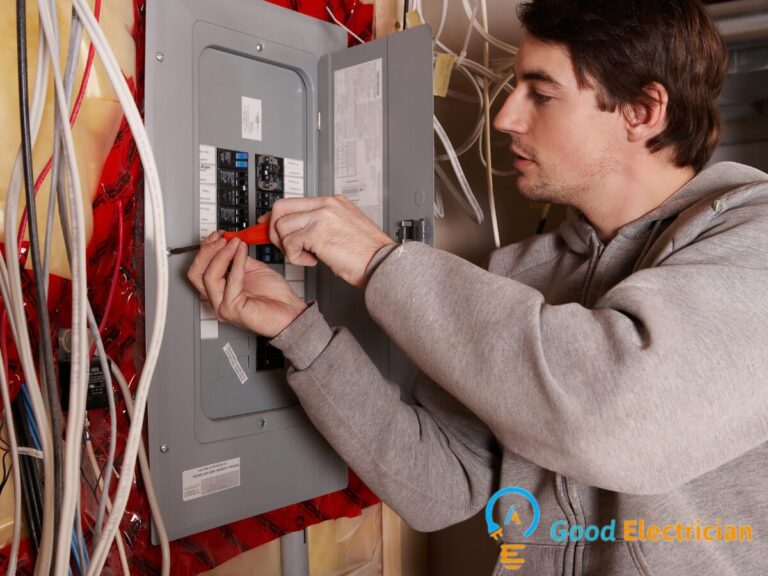
Circuit breakers are designed to protect your home. When one keeps tripping repeatedly, it is usually a sign that something in the electrical system needs attention. Many homeowners reset the breaker and move on, but repeated trips often point to overloads, wiring problems, or equipment faults that should not be ignored.
Electrical systems in modern homes are built with safety devices that interrupt power before wires overheat or equipment becomes damaged. A circuit breaker functions as a protective switch that shuts off electricity when it detects abnormal current. Tripping occasionally can be normal, but frequent tripping suggests that the circuit is under stress or experiencing a fault.
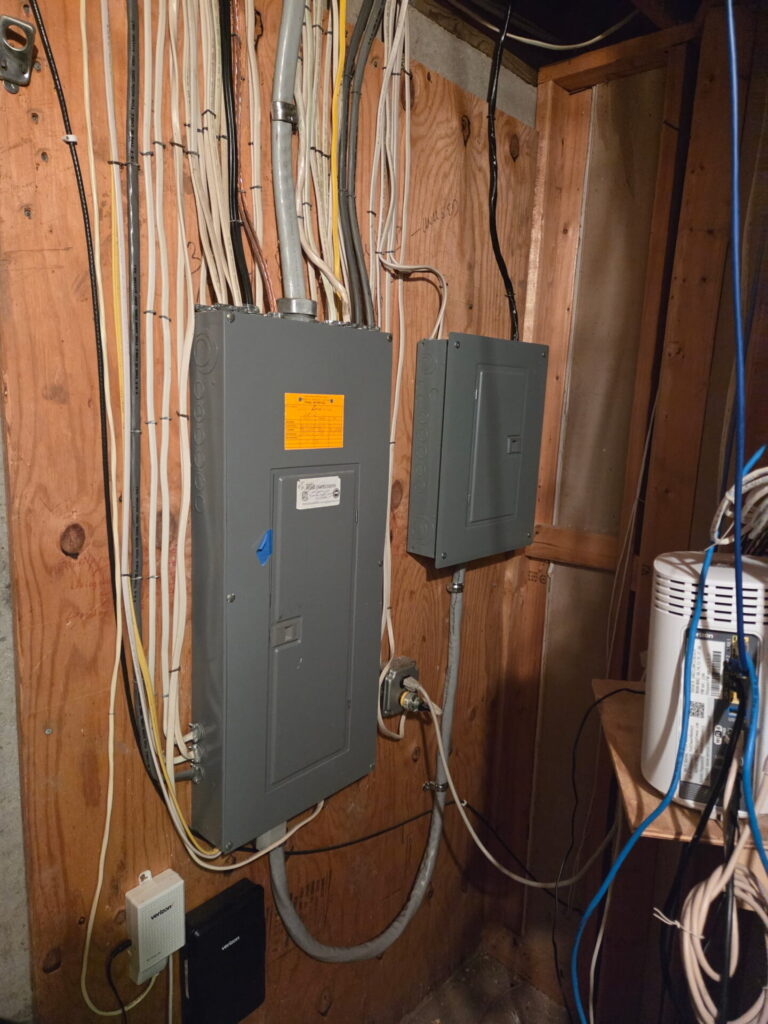
Homeowners across Northern Virginia often contact professionals when breaker issues become persistent. Technicians at A Good Electrician LLC frequently inspect panels, troubleshoot overloaded circuits, and upgrade electrical systems when breakers trip repeatedly due to capacity or wiring concerns. Identifying the root cause early prevents damage to appliances, wiring, and the electrical panel.
Understanding why a breaker trips helps determine whether the issue is simple or something that requires professional repair.
How Circuit Breakers Protect Your Electrical System
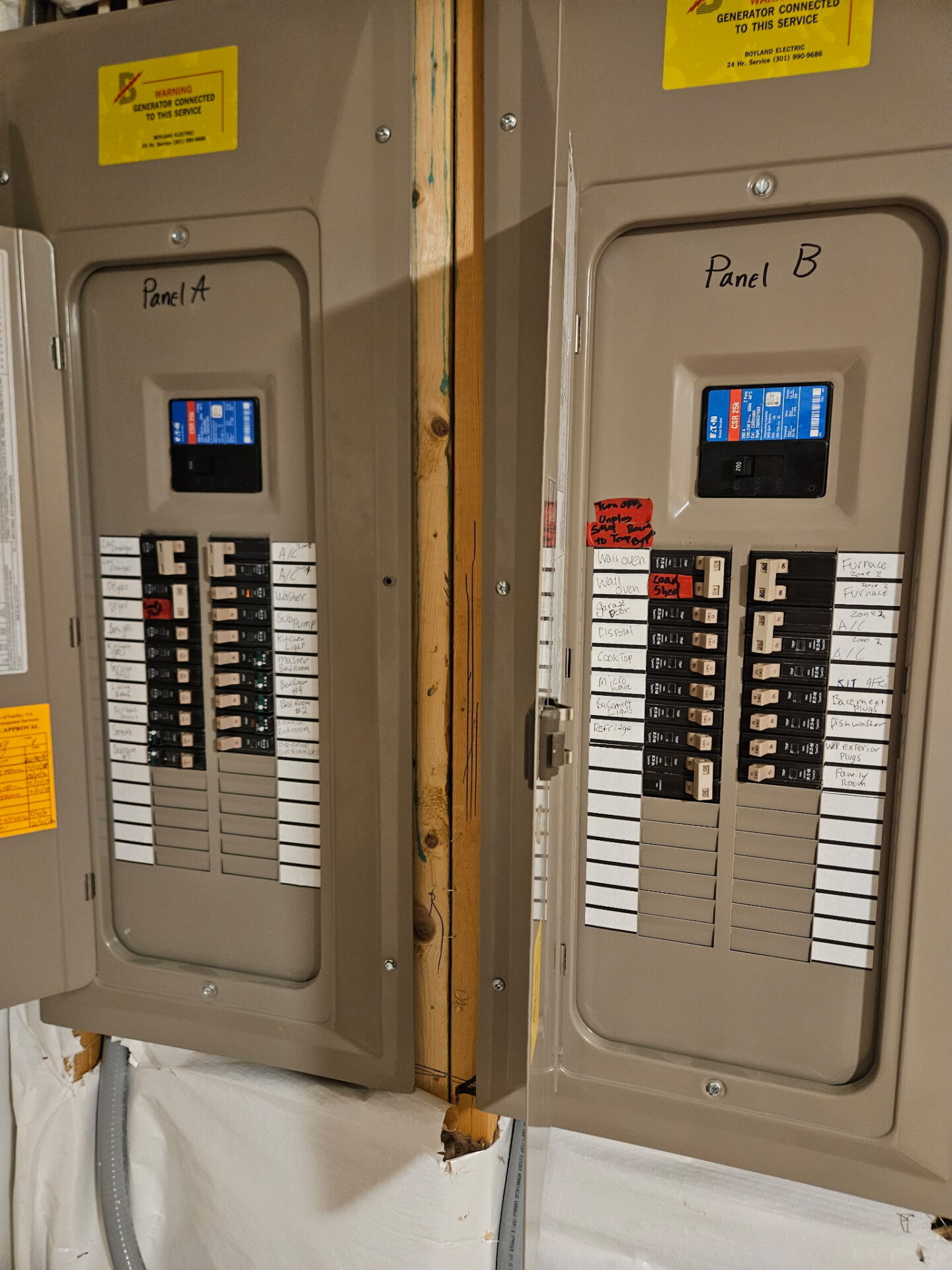
A circuit breaker monitors the flow of electricity moving through a circuit. Each breaker is rated for a specific amperage, commonly 15 amps or 20 amps for standard residential circuits. When electrical demand rises above the safe limit, the breaker disconnects power automatically.
Heat is the main reason breakers trip. Electrical wires heat up when too much current passes through them. The breaker detects this excess current and interrupts the flow before wires reach dangerous temperatures.
Two internal mechanisms usually trigger a breaker:
Thermal protection responds to gradual overloads. If a circuit pulls slightly more current than its rating for a period of time, the breaker heats up and eventually trips.
Magnetic protection responds to sudden spikes caused by short circuits or severe electrical faults. This type of trip occurs almost instantly.
Modern electrical panels rely on these protections to prevent electrical fires and equipment damage. When a breaker trips often, it means one of these protections is reacting to a recurring problem.
Overloaded Circuits
Overloaded circuits are one of the most common causes of frequent breaker trips. This happens when too many devices operate on the same circuit and draw more power than the breaker allows.
A typical 15 amp circuit can safely supply around 1,800 watts of power. Many modern appliances use a large amount of electricity. Microwaves, space heaters, hair dryers, and portable air conditioners can each draw significant power on their own.

Running several of these devices on the same circuit can exceed the breaker rating. When that happens, the breaker shuts off power to protect the wiring.
Older homes often experience this problem more frequently. Electrical systems built decades ago were designed for fewer electronics and appliances. Today’s homes have far more devices plugged into outlets, which places greater demand on existing circuits.
Common signs of circuit overload include lights dimming when appliances start, outlets feeling warm, and breakers tripping when multiple devices run simultaneously.
Reducing the load on the circuit often solves the problem. Moving high power appliances to different circuits can help. Homes that regularly experience overloads may benefit from additional circuits or panel upgrades performed by a licensed electrician.
Short Circuits
Short circuits occur when a hot wire contacts a neutral wire directly. This creates a sudden surge of electrical current that causes the breaker to trip instantly.
The sudden flow of electricity produces a large amount of heat and energy in a fraction of a second. Without a breaker to interrupt the current, this situation could quickly damage wiring or cause a fire.
Short circuits can happen for several reasons. Damaged insulation around wires is a common cause. Over time, insulation can crack, melt, or deteriorate due to age or heat.
Loose wiring inside outlets, switches, or junction boxes can also allow wires to contact each other. Appliances with internal wiring damage may create a short circuit when plugged in.
When a short circuit occurs, homeowners might notice a burning smell, visible sparks, or a breaker that trips immediately after being reset. In some cases the breaker will not stay on at all.
Electrical troubleshooting is often required to locate the exact point of failure. Repairing wiring or replacing damaged components should always be handled by trained electricians due to the risks involved.
Ground Faults
Ground faults are similar to short circuits but involve a hot wire touching a ground path instead of the neutral wire. Ground paths may include metal outlet boxes, grounding wires, or metal appliances.
When electricity flows through an unintended ground path, the breaker detects the sudden current increase and trips.
Ground faults frequently occur in areas where moisture is present. Kitchens, bathrooms, garages, basements, and outdoor outlets are common locations. Water increases the risk of electricity finding a path to ground.
This risk is why many homes use Ground Fault Circuit Interrupters, commonly called GFCI outlets. These devices shut off power quickly when they detect current leaking to ground.
Symptoms of ground faults include breakers tripping when appliances operate in wet locations, or GFCI outlets shutting off power repeatedly.
A licensed electrician can inspect wiring and outlets to locate ground faults safely.
Aging or Worn Circuit Breakers
Circuit breakers themselves can wear out over time. Mechanical components inside the breaker weaken after years of operation, especially if the breaker has tripped many times.
A worn breaker may trip more easily than it should. In other cases, the breaker may fail to stay reset even when the electrical load is normal.
Electrical panels installed decades ago may also contain outdated breakers that no longer meet modern electrical standards. Some older breaker models are known to fail internally and require replacement.
Signs that a breaker may be worn out include:
- The breaker feels loose in the panel
- The breaker trips with minimal electrical load
- Resetting the breaker requires multiple attempts
- The breaker handle does not stay firmly in the ON position
Replacing a breaker involves working inside the electrical panel where live power is present. Installation or replacement should always be handled by a trained electrician to ensure safe and proper operation.
Faulty Appliances
Sometimes the problem is not the circuit itself but an appliance connected to it. Appliances contain motors, heating elements, and internal wiring that can develop faults.
A malfunctioning appliance may draw more current than expected. When this happens, the breaker trips to protect the circuit.
Common appliances that can cause breaker trips include:
- Air conditioners
- Refrigerators
- Dishwashers
- Clothes dryers
- Space heaters
A simple test can sometimes help identify the issue. Unplugging devices from the circuit and plugging them back in one at a time may reveal which appliance triggers the breaker.
If a particular device causes the breaker to trip repeatedly, the appliance may require repair or replacement.
Arc Faults and Modern Electrical Protection
Modern homes may also include Arc Fault Circuit Interrupters, known as AFCI breakers. These breakers detect dangerous electrical arcs that occur when wiring connections loosen or insulation becomes damaged.
Electrical arcs produce intense heat that can ignite nearby materials. AFCI breakers monitor electrical wave patterns and shut off power when they detect this type of hazard.
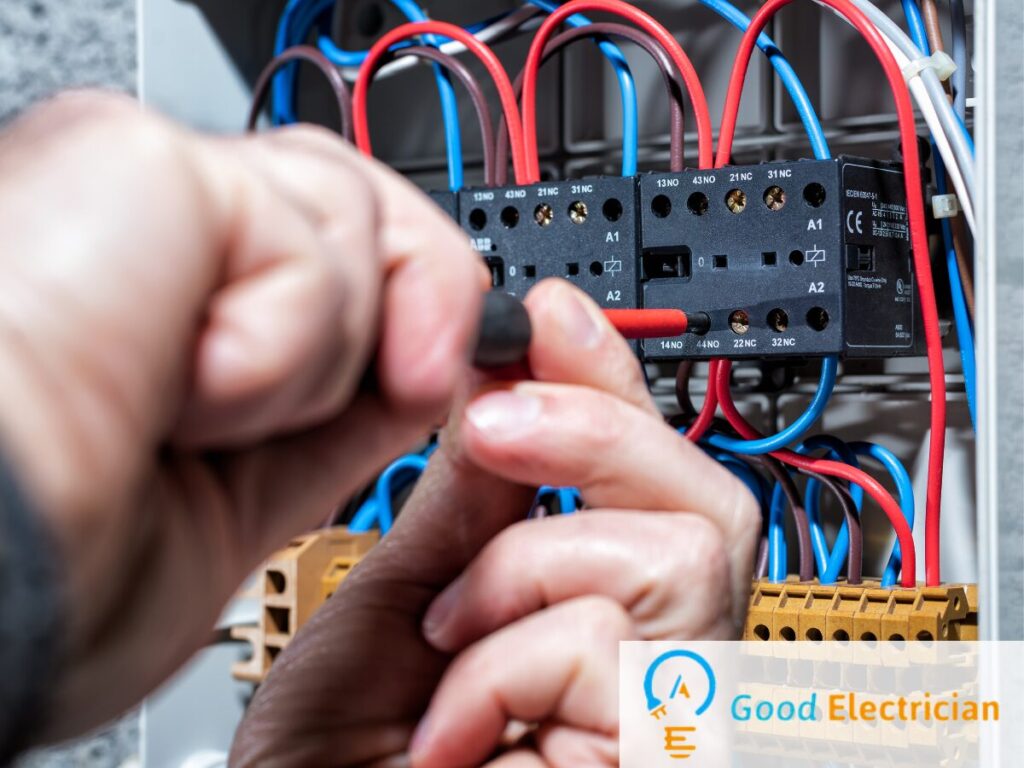
Arc faults often occur in aging wiring, damaged extension cords, or loose connections inside outlets and switches.
When an AFCI breaker trips, it may not always be obvious what caused it. The issue may involve hidden wiring problems inside walls or ceilings. Professional inspection is usually required to diagnose and repair arc fault conditions.
When Frequent Tripping Indicates a Larger Electrical Issue
Occasional breaker trips may not indicate a serious problem. Persistent tripping across multiple circuits can suggest larger electrical issues within the panel or wiring system.
Electrical panels that are undersized for the home’s power demand often experience repeated trips. Homes that have added new appliances, electric vehicle chargers, or HVAC equipment sometimes outgrow their original electrical capacity.
Loose connections inside the electrical panel can also cause breakers to trip. These connections may generate heat or intermittent electrical faults.
Wiring deterioration is another concern in older homes. Insulation can become brittle over time, exposing conductors and increasing the risk of faults.
Professional electrical inspections can identify these hidden problems before they become safety hazards.
Electrical Safety and Professional Installation
Working with electrical panels, breakers, and wiring carries serious risks. High voltage equipment can cause severe injury if handled incorrectly.
Electrical repairs, adding more breakers, replacing old breakers, and panel upgrades should always be performed by trained electricians who understand proper safety procedures and local electrical codes. Professional electricians have the equipment and training required to diagnose electrical faults accurately.
Homeowners should avoid repeatedly resetting a breaker without understanding why it tripped. Continuous resets can allow electrical problems to worsen and potentially damage the wiring or connected devices.
Final Thoughts
Circuit breakers are one of the most important safety devices in a home. When they trip repeatedly, they are performing their job by preventing electrical damage and reducing fire risk.
Overloaded circuits, short circuits, ground faults, worn breakers, and faulty appliances are among the most common reasons breakers shut off power. Each cause requires a different approach to resolve safely.
Addressing these issues early helps maintain a safe electrical system and ensures that appliances and devices operate reliably. Electrical systems that receive regular inspection and maintenance tend to experience fewer unexpected problems and provide better long term performance.