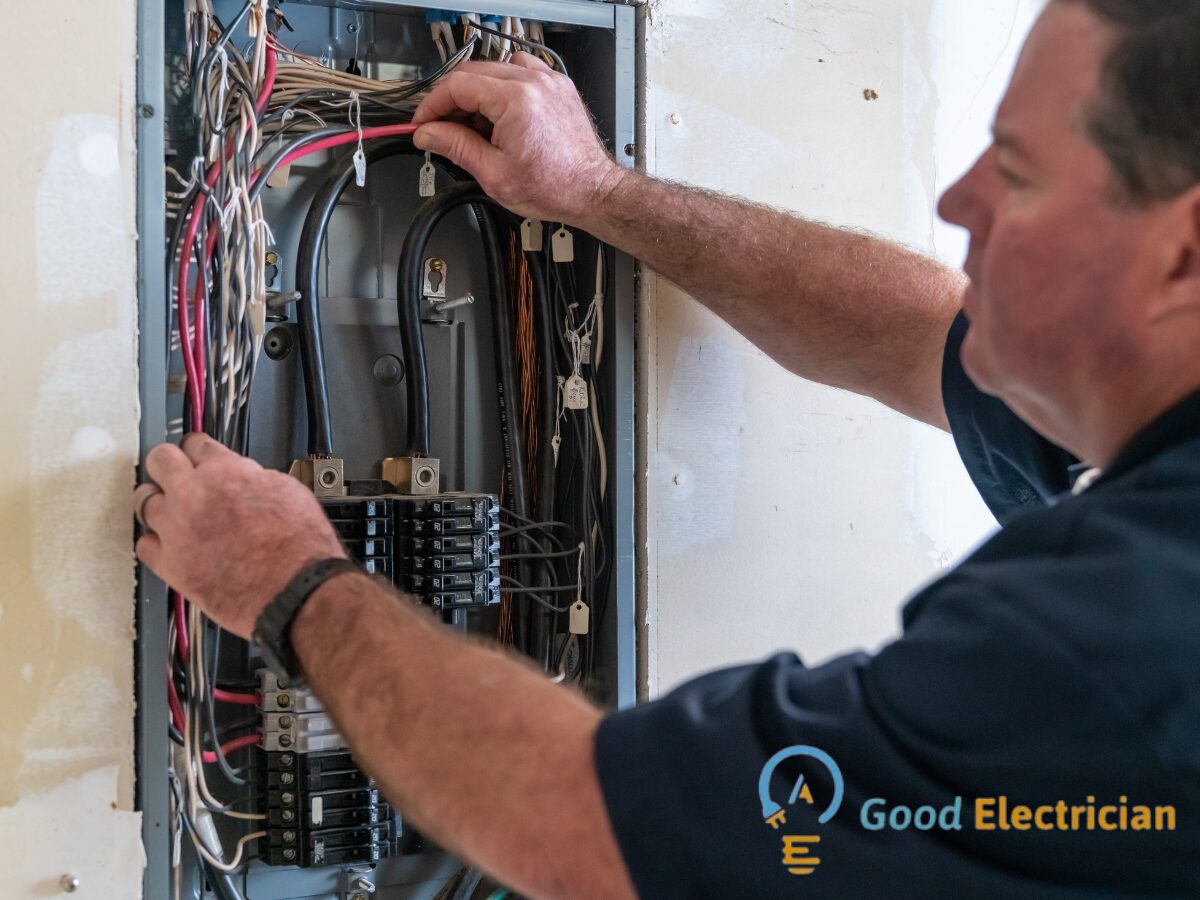
Electrical Code Compliance: What It Really Means for Modern Homes and Buildings
Electrical code compliance sits at the center of safe, functional, and reliable electrical systems. Homeowners and business owners hear the term often, yet many only connect it with inspections or permit paperwork. Code compliance actually affects daily safety, long-term reliability, insurance coverage, and property value. Electrical codes exist because unsafe installations lead to fires, equipment damage, injuries, and costly failures. Staying compliant protects people and property while ensuring electrical systems perform as intended.
A Good Electrician LLC regularly works with homeowners and property managers who discover compliance issues during renovations, panel upgrades, EV charger installations, or home sales. That experience shows how easily outdated or improper wiring can go unnoticed until a serious problem surfaces. Understanding what electrical code compliance involves helps property owners make smarter decisions before issues become expensive or dangerous.
What Electrical Code Compliance Actually Covers
Electrical code compliance means that an electrical system meets the minimum safety standards set by adopted electrical codes in a specific jurisdiction. Most areas in the United States base their rules on the National Electrical Code, commonly referred to as the NEC. States, counties, and cities then adopt a specific edition and may add local amendments based on climate, infrastructure, or historical issues.
Compliance applies to far more than new construction. Any significant modification to an existing system triggers code requirements for the altered portion of the work. Panel replacements, circuit additions, EV charger installations, kitchen remodels, and even outdoor lighting upgrades often fall under current code rules, not the standards that existed when the house was built.
Codes are not designed to make projects harder or more expensive. They are written to reduce shock risk, fire hazards, equipment damage, and long-term maintenance problems. Many code rules come directly from investigation reports following electrical fires or electrocution incidents.
Why Electrical Codes Keep Changing
Electrical codes change on a regular cycle because the way buildings use power keeps changing. Homes built thirty years ago rarely had electric vehicle chargers, heat pump water heaters, home offices with high equipment loads, or solar systems tied into the utility grid.
Modern electrical usage patterns place sustained loads on systems that older wiring methods were never designed to handle. Code updates respond to these changes by tightening rules around load calculations, grounding, arc-fault protection, and surge protection.
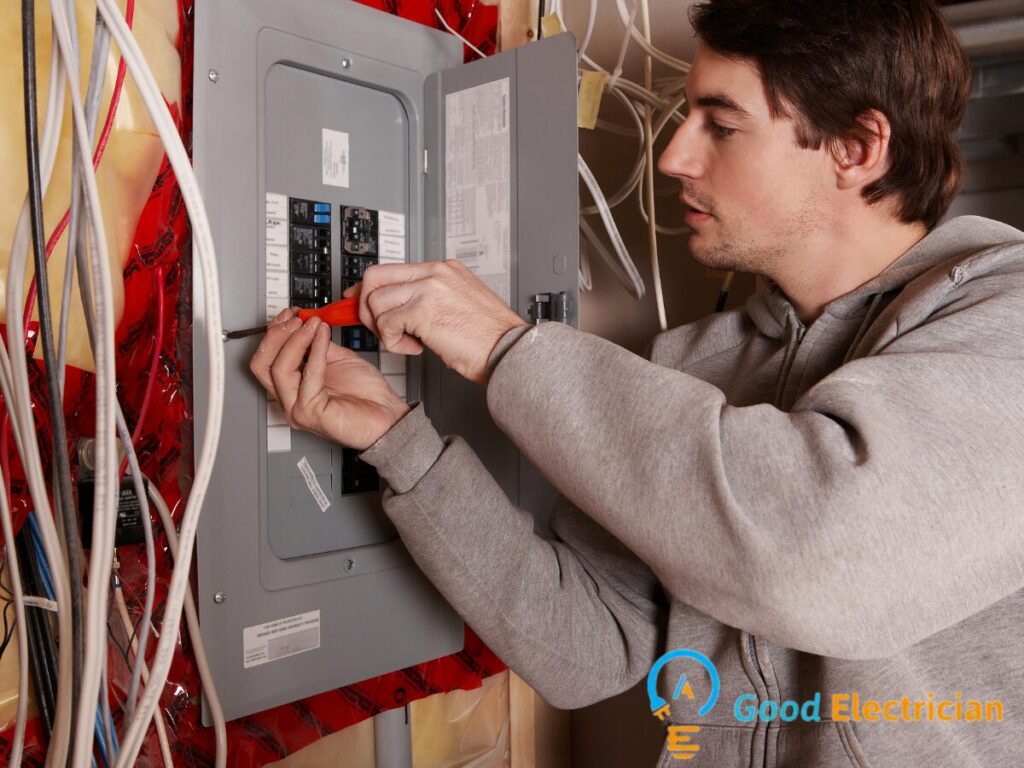
Technology also drives code updates. New breaker designs, improved grounding methods, and smarter protective devices allow safer installations when used correctly. Codes evolve to encourage adoption of proven safety improvements while phasing out practices shown to create long-term risk.
The Role of the National Electrical Code
The National Electrical Code serves as the baseline document for electrical safety in the United States. It is updated every three years by panels made up of electricians, engineers, inspectors, manufacturers, and safety professionals.
Each article of the NEC focuses on a specific area such as wiring methods, grounding, overcurrent protection, or special occupancies. Compliance requires understanding how these articles interact rather than reading rules in isolation.
Local jurisdictions decide which NEC edition they enforce. Some areas adopt the newest version quickly, while others lag by one or two cycles. Electricians must stay current with both the NEC and local amendments to ensure installations meet inspection requirements.
Permits, Inspections, and Legal Responsibility
Electrical code compliance is enforced primarily through permits and inspections. A permit creates a record of work and establishes accountability. Inspections verify that the work meets adopted codes before it is energized or concealed behind walls.
Skipping permits might seem convenient, yet unpermitted work often surfaces during home sales, insurance claims, or after an electrical failure. Insurance companies may deny coverage if a fire or injury traces back to non-compliant or unpermitted electrical work.
Responsibility for compliance ultimately rests with the property owner, even when work is performed by a contractor. That reality makes it critical to understand what compliance means before approving electrical upgrades or repairs.
Common Code Requirements That Affect Homes
Grounding and bonding rules rank among the most misunderstood aspects of residential electrical systems. Proper grounding provides a safe path for fault current, while bonding ensures that all metal components share the same electrical potential. Codes specify grounding electrode systems, conductor sizing, and bonding connections to prevent shock hazards and reduce lightning damage.
Circuit protection requirements have expanded significantly. Arc-fault circuit interrupters, known as AFCIs, are now required in most living areas to reduce fire risk from damaged cords or loose connections. Ground-fault circuit interrupters, or GFCIs, protect against shock in areas with moisture or outdoor exposure.
Working space clearances around panels and equipment remain a frequent inspection failure. Codes require specific distances in front of panels and above equipment to allow safe maintenance and emergency access. Storage or shelving installed in these areas often violates code even if the electrical work itself is sound.
Load Calculations and Panel Capacity
Modern electrical loads demand careful calculation. Code compliance requires verifying that the service and panel can handle both existing and proposed loads. Adding high-demand equipment without confirming capacity leads to nuisance tripping, overheated conductors, and shortened equipment life.
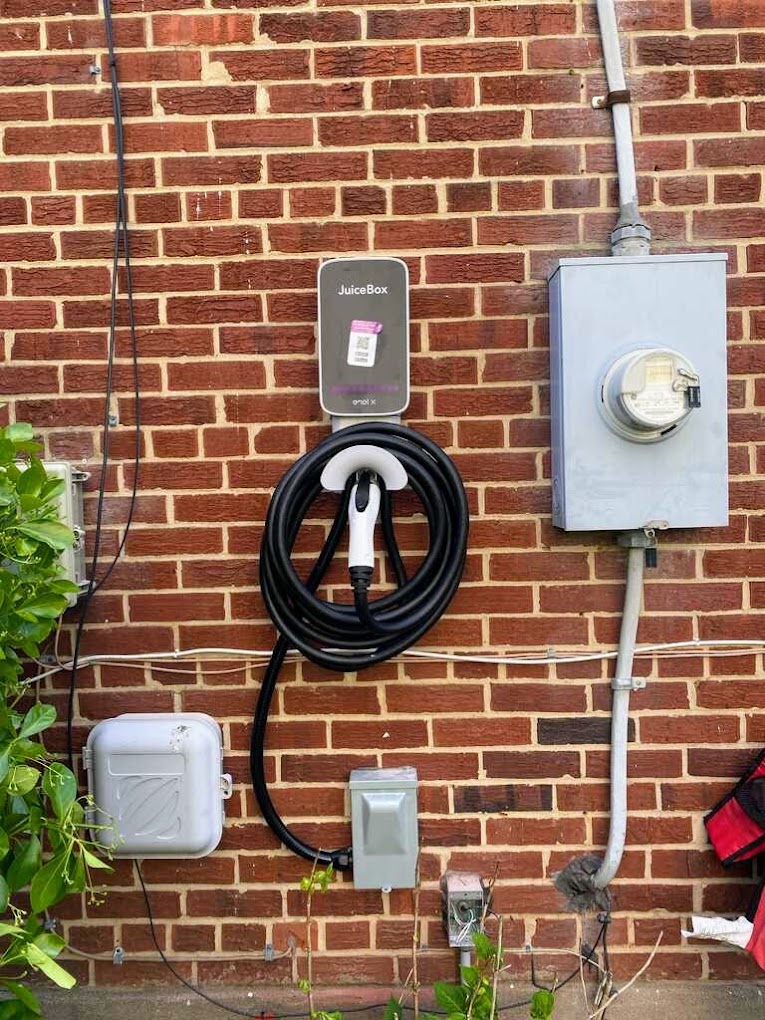
Electric vehicle chargers highlight this issue clearly. A Level 2 charger can draw as much power as an entire older home once did. Codes address this by requiring dedicated circuits, specific breaker types, and load management strategies when panel capacity is limited.
Panel upgrades often trigger additional code requirements beyond simply swapping equipment. Grounding upgrades, bonding corrections, and labeling updates commonly become part of a compliant installation.
Wiring Methods and Materials
Electrical codes regulate not only where wires run, but how they are protected and supported. Approved wiring methods vary by location, environment, and exposure to damage. What works inside a finished wall may not be acceptable in a garage or outdoor setting.
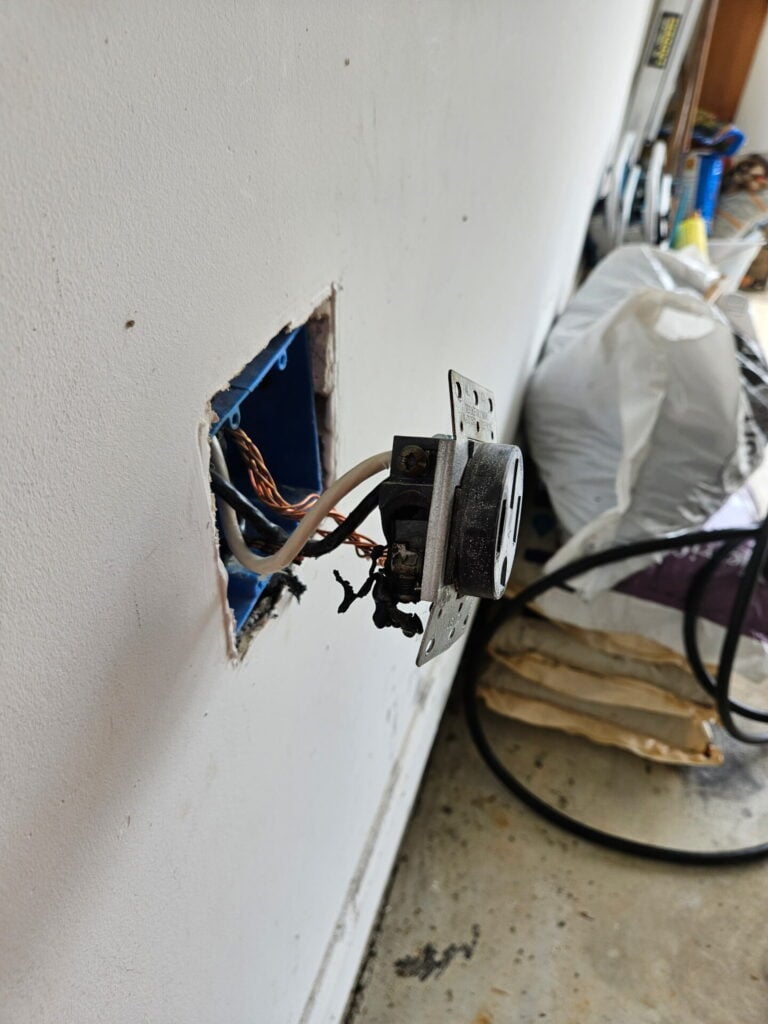
Improperly secured cables, missing staples, or incorrect conduit fittings may seem minor, yet these details prevent insulation damage and long-term conductor wear. Codes specify spacing, bend radius, and support intervals to protect wiring throughout the life of the building.
When discussing wiring installation or replacement, a brief reminder is necessary. Electrical wiring work should be performed by trained professionals or licensed electricians due to shock, fire, and inspection risks associated with improper installation.
Kitchens, Bathrooms, and Special Areas
Certain areas of a home receive extra attention under electrical codes. Kitchens require dedicated circuits for countertop receptacles, appliances, and lighting. Codes limit how many outlets can share a circuit and specify placement to reduce reliance on extension cords.
Bathrooms must include GFCI-protected outlets and dedicated circuits for receptacles. Lighting and ventilation equipment follow specific clearance and moisture protection rules to prevent shock hazards.
Outdoor areas introduce additional requirements related to weather exposure, corrosion resistance, and ground-fault protection. Lighting, receptacles, and equipment installed outdoors must be rated for the environment and properly protected.
Commercial and Multi-Family Considerations
Electrical code compliance becomes even more complex in commercial and multi-family buildings. Load diversity, emergency systems, and accessibility rules add layers of requirements beyond residential standards.
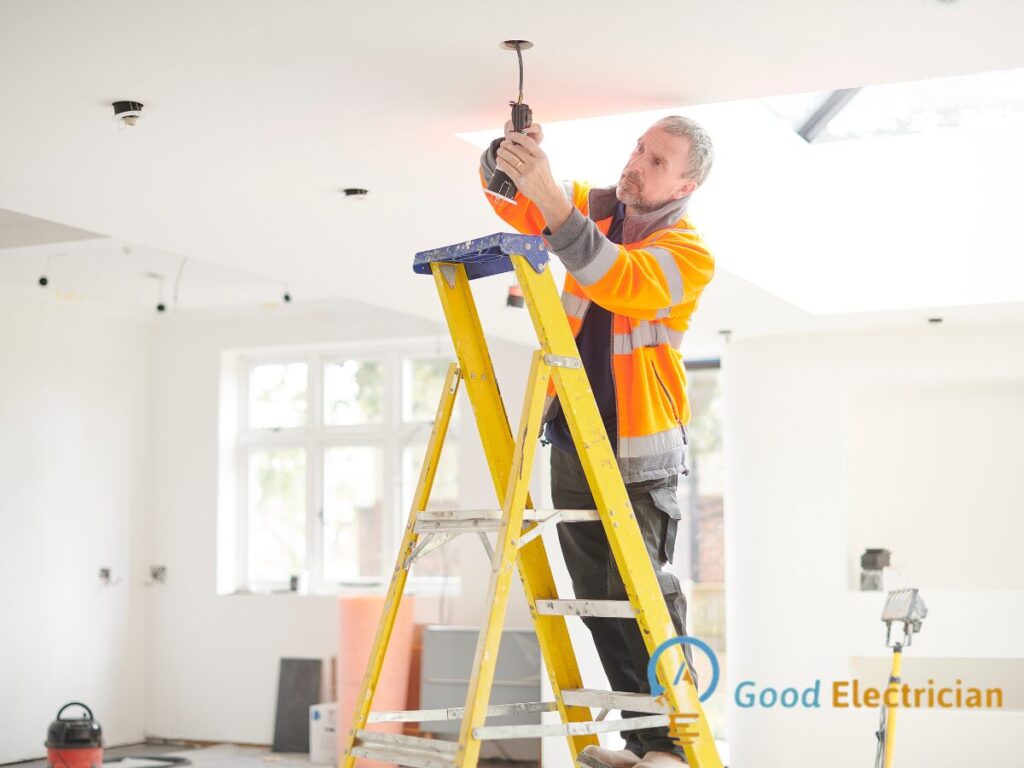
Exit lighting, emergency power, and fire alarm integration must meet strict codes to ensure occupant safety during outages or emergencies. These systems are inspected carefully due to their life-safety role.
Tenant spaces often require coordination between base building systems and individual unit installations. Code compliance ensures that changes in one space do not compromise shared electrical infrastructure.
The Cost of Non-Compliance
Non-compliant electrical work often costs more to fix than doing it correctly from the start. Failed inspections delay projects, add labor, and may require opening finished surfaces to correct hidden violations.
Fire investigations frequently identify electrical issues tied to outdated or improperly modified systems. These failures carry severe financial and personal consequences that far outweigh the perceived savings of cutting corners.
Code compliance also affects resale value. Home inspectors routinely flag electrical issues that do not meet current or adopted standards. Buyers may request repairs or credits, placing pressure on sellers to address problems under tight timelines.
DIY Work and Code Reality
Many homeowners feel confident handling minor electrical tasks, yet code compliance extends beyond basic connections. Even seemingly simple projects like adding a receptacle involve rules about circuit loading, spacing, box fill, and protection requirements.
Codes do not prohibit homeowners from performing work in many areas, yet they expect the same level of compliance as professional installations. Inspections apply equally regardless of who performed the work.
Whenever installations, alterations, or repairs are considered, these tasks should ideally be performed by trained professionals or licensed electricians to ensure safety and compliance with applicable codes.
Staying Compliant Over Time
Electrical code compliance is not a one-time achievement. Systems age, usage changes, and new equipment introduces different demands. Periodic evaluations help identify outdated components, overloaded circuits, or missing protective devices.
Planning future upgrades with code compliance in mind reduces disruption and cost. Allowing space in panels, installing conduit pathways, and documenting work properly all support long-term system flexibility.
Understanding electrical codes empowers property owners to make informed decisions rather than react to inspection failures or emergencies.
Final Thoughts
Electrical code compliance reflects lessons learned through decades of real-world experience. These rules exist to protect people, property, and equipment in a world that relies heavily on electricity every hour of the day.
Approaching electrical work with respect for code requirements leads to safer homes, smoother inspections, and systems that perform reliably as technology advances. Knowledge of compliance principles helps homeowners and building managers ask better questions and recognize quality work when they see it.
Electrical systems rarely fail without warning. Codes provide that warning in written form, offering a clear path toward safer, smarter electrical installations when followed correctly.