How Often Should Commercial Electrical Installation Be Tested
Commercial buildings depend on safe, reliable electrical systems every single day. Lighting, HVAC equipment, servers, elevators, kitchen appliances, security systems, and charging stations all rely on stable power. Electrical installations inside a commercial property handle heavier loads and more continuous use than most residential systems. That constant demand makes regular testing a critical part of building safety and operational reliability.
Electrical testing identifies faults before they turn into failures, fires, or costly downtime. Insurance providers, building codes, and safety authorities also require periodic inspections and testing of commercial installations. Property owners, facility managers, and business operators benefit from understanding how often these systems should be tested and what factors influence the schedule.
Businesses across Northern Virginia often rely on experienced contractors such as A Good Electrician LLC when commercial systems need professional inspection, testing, upgrades, or repairs. Certified electricians use specialized equipment and follow strict procedures to evaluate electrical systems safely.
Why Regular Testing of Commercial Electrical Installations Matters
Commercial electrical systems operate under heavy stress. Large motors, computer systems, refrigeration units, and industrial machinery place significant demand on circuits and panels. Over time, components wear out, insulation deteriorates, connections loosen, and environmental conditions affect performance.
Routine testing helps detect problems that remain invisible during everyday operation. Thermal hotspots, insulation breakdown, overload conditions, and grounding faults may not cause immediate outages but still create serious safety hazards.
Electrical fires in commercial buildings frequently originate from faulty wiring, overloaded circuits, or deteriorated equipment. Regular testing reduces that risk by identifying developing issues early.
Another important factor involves regulatory compliance. Local electrical codes, national safety standards, and insurance policies often require periodic inspection and testing. Failure to follow those requirements can result in fines, insurance complications, or liability concerns after an incident.
Commercial electrical testing also protects business continuity. Power failures or equipment damage can halt operations, interrupt customer service, and cause financial losses. Preventive testing minimizes those disruptions.
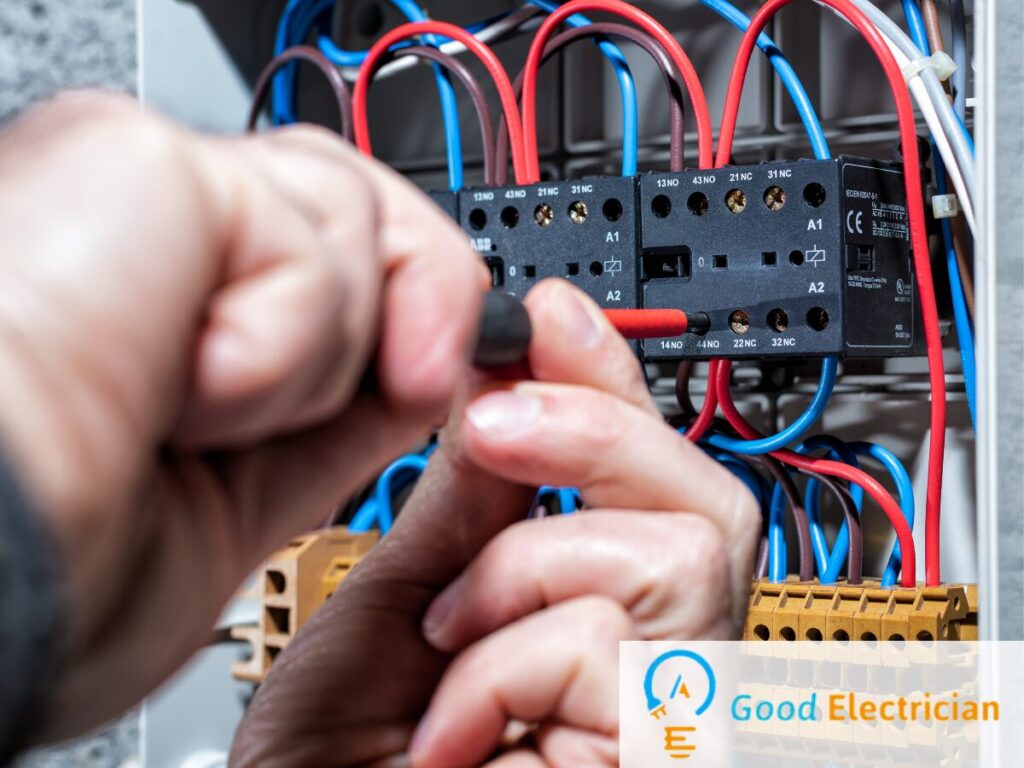
Electrical inspections and testing should always be carried out by trained professionals or licensed electricians using proper testing equipment and safety procedures.
General Recommended Testing Frequency
Most commercial properties follow a structured schedule for electrical testing. The exact interval varies depending on building type, system complexity, load conditions, and regulatory requirements.
Many industry standards recommend a full electrical inspection and testing cycle every three to five years for typical commercial buildings. Office buildings, retail spaces, restaurants, and similar environments often fall into this category.
Facilities with heavier electrical demand require more frequent testing. Manufacturing plants, hospitals, laboratories, and data centers often conduct testing every one to three years. These environments rely on uninterrupted electrical performance and operate equipment that places greater stress on circuits.
High risk environments such as construction sites, industrial processing facilities, and locations with high moisture or dust exposure may require yearly testing. Harsh environmental conditions accelerate wear on insulation and electrical components.
Portable appliance testing also follows its own schedule. Equipment that employees frequently plug in and move around, including power tools, extension cords, and office equipment, may require annual testing or even more frequent inspections depending on usage.
Electrical testing schedules should always be determined by qualified professionals who evaluate the building’s electrical load, operating conditions, and regulatory requirements.
Types of Electrical Tests Performed in Commercial Buildings
Electrical testing includes several diagnostic procedures designed to evaluate system performance, safety, and compliance. Each test targets different parts of the installation.
Insulation Resistance Testing
Insulation resistance testing evaluates the integrity of wiring insulation. Insulation prevents electricity from leaking into surrounding structures or equipment. Aging insulation, heat exposure, or physical damage can reduce its effectiveness.
Electricians use specialized meters called insulation testers or megohmmeters to measure resistance levels. Low resistance readings may indicate deteriorated insulation or potential leakage paths.
This test is especially important in older buildings where wiring may have been exposed to decades of heat cycles and environmental stress.
Testing electrical insulation should always be performed by trained electricians because it involves working with energized circuits and specialized equipment.
Earth Continuity Testing
Grounding systems provide a safe path for electrical fault currents. Proper grounding ensures that protective devices such as circuit breakers trip quickly when faults occur.
Earth continuity testing confirms that grounding conductors maintain proper electrical continuity throughout the system. Loose connections, corrosion, or damaged conductors can compromise the grounding system.
Electricians measure resistance between equipment and the grounding system to verify that fault currents can safely travel to ground.
Poor grounding increases the risk of electrical shock and equipment damage.
Residual Current Device Testing
Residual current devices detect leakage currents that may indicate electrical faults or shock hazards. These devices quickly disconnect power when unsafe current levels appear.
Testing verifies that RCDs trip within the correct time limits and respond to appropriate current levels.
Faulty RCDs can fail to trip during dangerous conditions, leaving occupants exposed to electrical hazards.
Testing these safety devices requires controlled procedures and should be handled by qualified electricians.
Thermal Imaging Inspections
Thermal imaging has become a valuable tool for electrical inspections. Infrared cameras detect temperature variations within electrical panels, transformers, and wiring systems.
Loose connections, overloaded circuits, and failing components often produce heat long before visible damage appears. Thermal scans allow electricians to locate those hotspots without shutting down equipment.
Facilities that operate continuously benefit greatly from thermal inspections since they allow maintenance teams to detect issues without interrupting operations.
Thermal imaging equipment must be used by trained professionals who understand electrical safety protocols and correct interpretation of temperature patterns.
Factors That Influence Testing Frequency
Testing schedules are not identical for every building. Several factors determine how often electrical installations should be inspected and tested.
Building age plays a major role. Older electrical systems may require more frequent inspections due to aging wiring, outdated components, or earlier installation practices that differ from modern standards.
Electrical load also affects inspection intervals. Buildings that operate heavy machinery, commercial kitchens, or large HVAC systems place greater stress on electrical components. Those systems benefit from more frequent testing.
Environmental conditions can accelerate electrical deterioration. Moisture, dust, vibration, chemicals, and extreme temperatures all contribute to faster wear of electrical insulation and connections.
Operational importance is another key factor. Hospitals, emergency facilities, and data centers require extremely reliable electrical systems. Even minor electrical failures can create serious consequences. These facilities often conduct routine testing annually or even more frequently.
Regulatory requirements also influence testing intervals. Local codes, industry standards, and insurance providers may specify testing frequencies for certain types of buildings or equipment.
A professional electrician evaluates all these factors before establishing an appropriate testing schedule.
Signs That Electrical Systems Need Immediate Testing
Scheduled inspections provide preventive protection, yet certain warning signs indicate the need for immediate electrical evaluation.
Frequent circuit breaker trips often suggest overloaded circuits, faulty wiring, or equipment malfunctions. Ignoring repeated tripping can lead to overheating and potential fire hazards.
Unusual odors from electrical panels or equipment may indicate overheating insulation or damaged components. Electrical burning smells should always be investigated immediately.
Flickering lights across multiple circuits sometimes reveal loose connections or voltage fluctuations. These issues can damage sensitive electronics and signal underlying electrical problems.
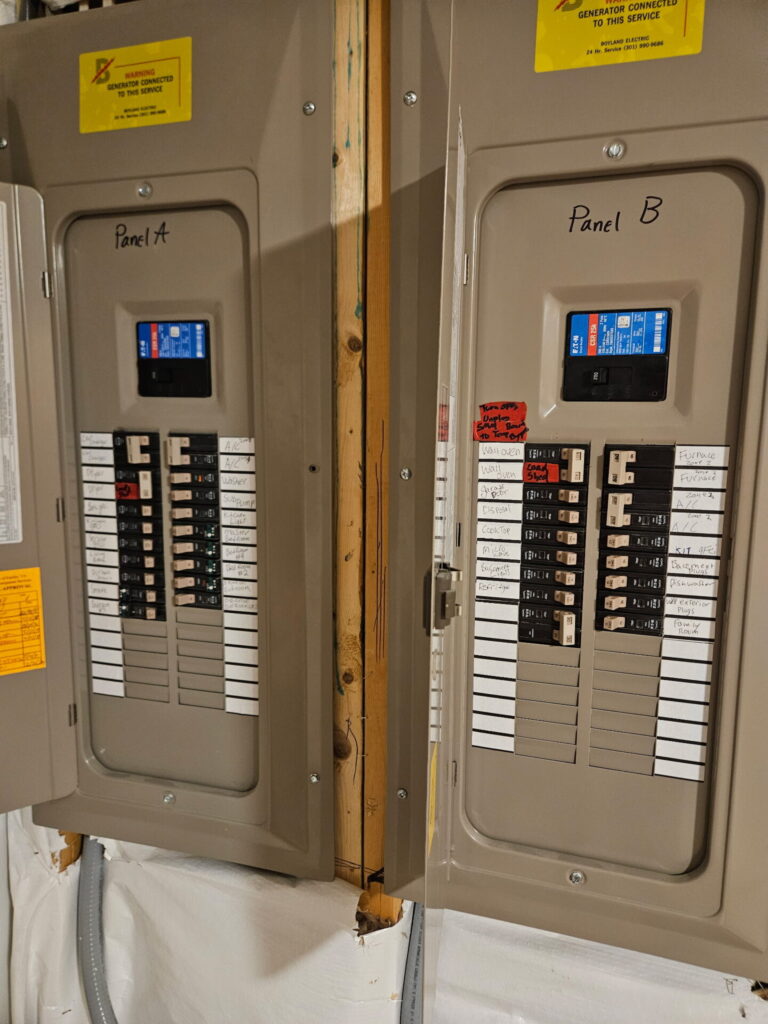
Warm electrical panels or outlets also raise concern. Excess heat usually indicates loose connections or overloaded circuits.
Electrical testing and troubleshooting should always be handled by trained electricians since diagnosing energized systems requires proper safety procedures and specialized tools.
Benefits of Preventive Electrical Testing
Preventive electrical testing delivers several long term advantages for commercial property owners and facility managers.
Safety remains the most important benefit. Regular inspections reduce the risk of electrical fires, equipment failures, and shock hazards. Employees, tenants, and customers remain protected.
Maintenance costs often decrease when testing identifies issues early. Replacing a worn component costs far less than repairing extensive damage caused by a major electrical failure.
Energy efficiency can improve as well. Loose connections, overloaded circuits, and deteriorating equipment waste energy and generate excess heat. Correcting these issues allows systems to operate more efficiently.
Regulatory compliance becomes easier to maintain with documented inspection records. Inspection reports demonstrate that building owners take proper steps to maintain safe electrical installations.
Business continuity also improves. Unexpected power disruptions cause operational downtime and revenue losses. Preventive testing significantly reduces those risks.
Electrical Testing as Part of a Maintenance Strategy
Electrical testing should be part of a broader facility maintenance plan. Electrical systems interact with many other building components including HVAC equipment, backup generators, fire alarm systems, and security infrastructure.
Maintenance teams often coordinate electrical inspections with other scheduled facility services. Performing inspections during planned maintenance windows reduces operational disruption.
Accurate documentation plays a critical role. Testing results should be recorded, reviewed, and compared with previous inspections. Trends in insulation resistance, thermal readings, or load measurements can reveal gradual deterioration.
Facility managers who maintain organized testing records gain valuable insight into their building’s electrical health. That information helps plan future upgrades, replacements, and capacity expansions.
Electrical installations, testing procedures, and maintenance work should always be performed by licensed electricians or trained electrical professionals to ensure safety and code compliance.
Final Thoughts
Commercial electrical installations power the essential systems that keep businesses running every day. Heavy usage, aging components, and environmental conditions all affect system performance over time. Regular electrical testing helps detect hidden problems before they become serious hazards.
Many commercial buildings benefit from full electrical testing every three to five years. High demand facilities often require inspections every one to three years, while industrial environments may require annual testing. The exact schedule depends on building use, equipment load, environmental conditions, and regulatory requirements.
Routine inspections, thermal imaging, grounding tests, insulation testing, and protective device verification work together to create a safer electrical environment. Facility managers who follow a consistent testing schedule protect their property, their occupants, and their business operations.
Professional electricians bring the expertise, testing equipment, and safety training necessary to evaluate complex commercial electrical systems properly. Qualified professionals ensure inspections meet current safety standards while identifying opportunities to improve reliability and efficiency.