Electrical Code Updates in Virginia: What Homeowners Need to Know
Electrical codes aren’t just guidelines—they’re enforceable safety standards designed to protect your home and family. Every few years, the National Electrical Code (NEC) is reviewed and updated to reflect new technologies, improved safety practices, and lessons learned from electrical failures and fire investigations. Virginia follows the National Electrical Code but adapts it through its own Uniform Statewide Building Code (USBC). The 2023 NEC update has been in effect in several jurisdictions across the state, and it’s important to understand how these changes may impact existing homes, renovations, or any new electrical work being planned.
At A Good Electrician, we keep up with every code update, so you don’t have to. If you’re planning to install EV chargers, upgrade a panel, or add recessed lighting, we’re already working under the newest standards for safety and compliance.
Why the Code Changes—and Why You Should Pay Attention
The NEC isn’t a static document. It’s revised every three years by the National Fire Protection Association (NFPA). Virginia adopts the NEC as part of the USBC, but not always immediately. The lag in implementation gives state regulators and stakeholders time to review how each update fits within the existing construction and inspection infrastructure.
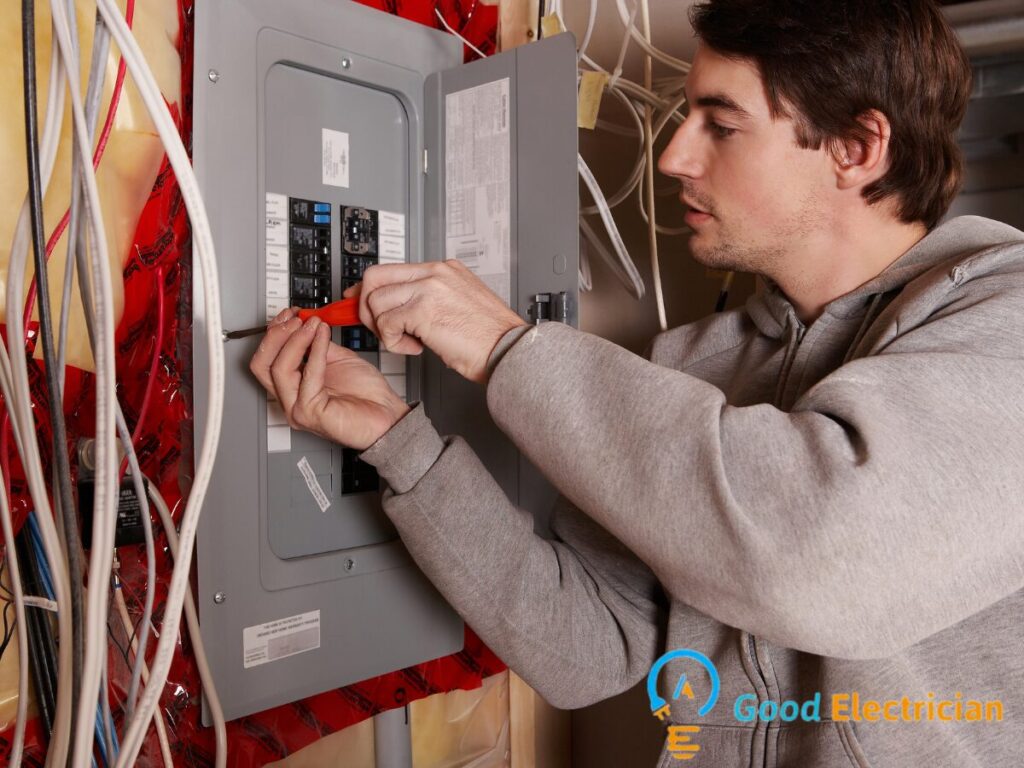
Code updates matter for more than just new construction. Any remodel, addition, or major electrical upgrade must meet the version of the code that’s active in your jurisdiction at the time the permit is issued. Ignoring or being unaware of the latest rules can result in failed inspections, project delays, and even fines. Worse, work that doesn’t meet current code can be a serious safety risk.
Homeowners who understand what’s changed can make smarter decisions when hiring electricians, planning upgrades, or troubleshooting electrical problems at home.
What’s New in Virginia’s Adoption of the 2023 NEC
Virginia formally adopted the 2023 NEC under the 2021 Virginia Uniform Statewide Building Code, which became effective in early 2024. This means inspections for any permitted work issued after the effective date will follow these new requirements. Here are some of the more significant changes affecting residential properties.
Tamper-Resistant Receptacles Expanded
Tamper-resistant (TR) receptacles have been required in most areas of a home for years, but the 2023 code expanded where these are needed. Now, any 125-volt, 15- or 20-amp receptacles installed in finished and unfinished basements, laundry areas, and garages must also be TR-rated. This makes a lot of sense from a safety perspective—especially in homes with kids.
New GFCI and AFCI Requirements
Ground-Fault Circuit Interrupters (GFCIs) and Arc-Fault Circuit Interrupters (AFCIs) are getting broader coverage under the new code. GFCIs are now required in more areas, including expanded outdoor locations and certain kitchen and laundry circuits.
One specific update: 250-volt receptacles, like those used for electric dryers, now require GFCI protection in laundry areas. This change addresses the risk of shock in areas where moisture may be present—even if the receptacle isn’t the typical 120-volt style.
AFCI protection, which helps prevent fires caused by arcing faults in wiring, must now be installed in additional locations, including more outdoor outlets and accessory buildings (like detached garages with power).
Surge Protection for Dwelling Units
One of the biggest changes is the requirement for whole-home surge protection. Any new service panel installed must include surge protective devices (SPDs). This requirement is a direct response to the increased use of sensitive electronics, smart appliances, and home automation systems that are vulnerable to transient voltage spikes.
Even though this applies to new panel installations, homeowners upgrading an old panel should seriously consider adding SPDs anyway. It’s a relatively small cost that provides strong protection.
Note: Panel upgrades and surge protection installations should be performed by a licensed electrician. Attempting this work without proper training can lead to electrical fires, electrocution, or code violations.
Emergency Disconnects Now Required
The 2023 code continues enforcement of emergency disconnects for dwelling units, which became mandatory in the previous NEC cycle but are now being more broadly interpreted and enforced. These disconnects, located outside the home, give first responders a safe way to cut power during emergencies without entering the building.
In Virginia, this applies to new homes and any service replacements or upgrades. If your home’s main disconnect is inside and you’re replacing the service equipment, expect your electrician to bring the new install up to current code by adding an exterior disconnect.
Revisions to Load Calculations
Load calculations are how electricians and inspectors determine if a home’s electrical service is sized properly for the demand. The 2023 NEC introduced changes to simplify and clarify how optional loads (like EV chargers or hot tubs) are factored in. These changes could affect whether a 100-amp panel is considered adequate—or if a 200-amp upgrade is needed.
Electric vehicle charger installations are a good example. More precise rules for calculating demand can determine if your existing panel can support the charger—or if additional work is required.
Home Renovations and Code Compliance: What Triggers an Update?
Some homeowners believe their existing electrical system is “grandfathered in” forever. That’s true in part—existing wiring typically doesn’t need to be upgraded unless it poses a safety hazard. However, any time you make major changes to a system, add new circuits, or replace electrical panels or service gear, your home must comply with the code in effect at the time of the permit.
Here are a few examples of projects that will trigger compliance with the 2023 NEC in Virginia:
- Installing a new subpanel or replacing your main panel
- Adding a new circuit for a home office, finished basement, or detached garage
- Upgrading kitchen appliances that require new wiring
- Installing an EV charger or generator transfer switch
- Expanding a home with an addition that needs power
Even something as simple as relocating a few outlets or lights might trigger inspection and require bringing the modified portion of the system up to code. That’s why hiring a licensed, local electrician who understands Virginia’s implementation of the NEC is critical
What Homeowners Can Do Now
If you’re planning electrical work in 2025, it’s worth getting familiar with these new requirements—especially if you’re budgeting for renovations. Here are some practical steps to get ahead:
Schedule a Safety Inspection
Older homes may not meet newer codes, and while that might not be a violation on its own, there could be hidden issues—like undersized service panels, outdated wiring, or ungrounded circuits—that create safety concerns or interfere with future upgrades. A licensed electrician can assess whether your system is safe and compatible with modern code requirements
Future-Proof with Smart Upgrades
When doing any electrical work, it pays to think beyond just passing inspection. Smart planning—like upgrading to a 200-amp panel, installing a surge protector, or roughing in conduit for future EV charging—can save money down the road and make future code compliance easier
Don’t Cut Corners with DIY Work
Plenty of homeowners take on small electrical projects, and there’s nothing wrong with swapping out a light fixture or outlet cover. But once you’re into adding circuits, changing breakers, or modifying wiring, the risk factor—and liability—increases dramatically.
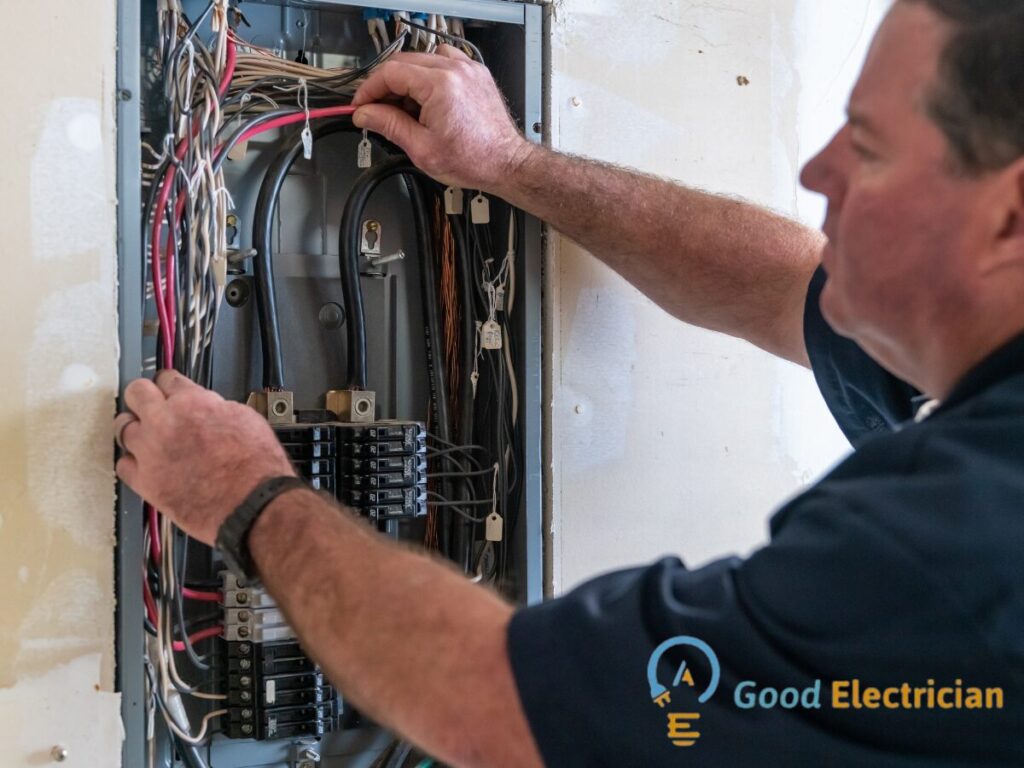
Virginia code requires permits and inspections for most electrical work. Skipping this process may not only violate code but could also void homeowners’ insurance if something goes wrong.
Disclaimer: Electrical installations, upgrades, and panel work should always be performed by trained professionals or licensed electricians to ensure safety and compliance with current code.
Final Thoughts
The 2023 NEC brings important safety updates that reflect how we live today—with more electronics, more power-hungry appliances, and a growing reliance on smart systems. Virginia’s adoption of these updates means homeowners need to be aware of how their homes measure up—especially before starting a renovation, selling a home, or adding new electrical equipment.
Understanding the changes isn’t just about passing inspections. It’s about creating safer, smarter homes built for the demands of modern life. If your electrical system hasn’t been looked at in a while, now’s a good time to make sure everything is still up to code—and ready for whatever’s next.