How to Choose the Right Amperage for Your Home’s Electrical Panel
Choosing the correct amperage for your home’s electrical panel isn’t just a matter of preference or future-proofing—it’s a safety requirement and a key factor in ensuring your home can handle current and future electrical demands. Homeowners across Northern Virginia are increasingly upgrading their panels for reasons ranging from EV charger installations to home additions and smart tech expansions. A Good Electrician can help guide you through this process, offering safe and professional service from assessment to installation.
Understanding What Amperage Means
Amperage, measured in amps, refers to the maximum amount of electrical current your panel can safely distribute at once. Think of it as the electrical panel’s total capacity. If the electrical usage of your home exceeds the amperage rating, you’re risking overloaded circuits, tripped breakers, or worse—fire hazards.
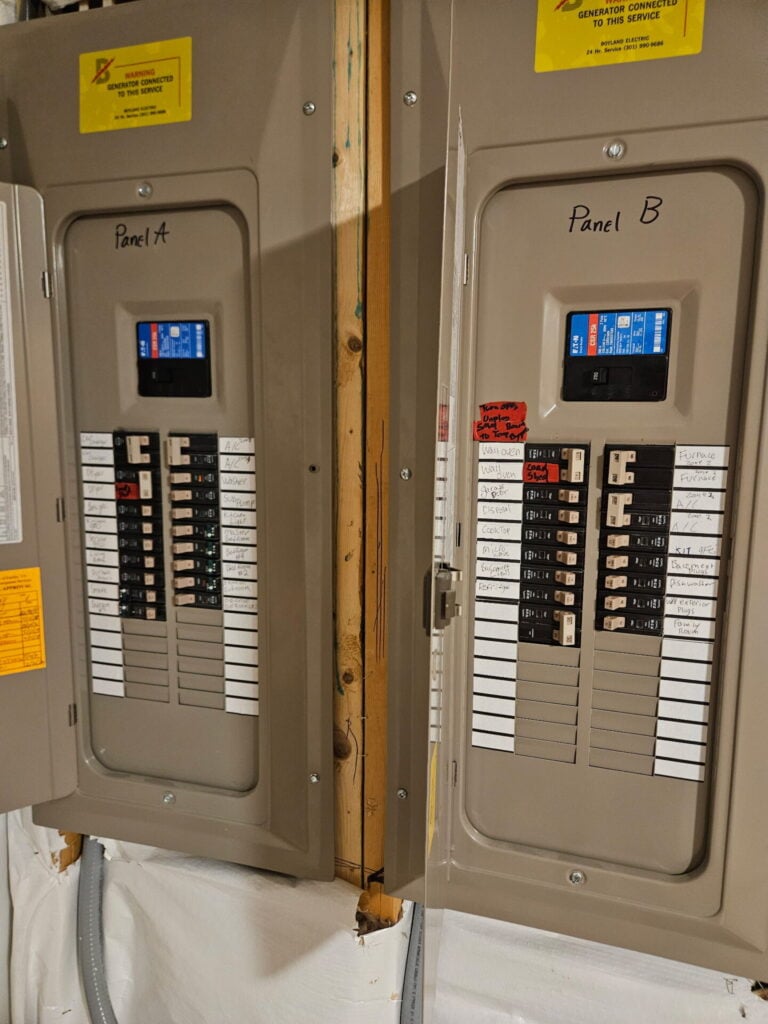
A home’s electrical panel is essentially the traffic control system for electricity. It takes the incoming electrical supply and routes it to different circuits that power outlets, lights, appliances, HVAC systems, and more. The panel must be sized correctly to support both your current load and any foreseeable increase in demand.
Why the Standard 100-Amp Panel May Not Be Enough Anymore
Years ago, a 100-amp panel was sufficient for the average home, especially if it didn’t have central air conditioning or high-powered appliances. That has changed dramatically. Today’s homes are packed with gadgets, high-efficiency appliances, electric vehicles, and in many cases, whole-house HVAC systems. Even modest homes now require a minimum of 150 to 200 amps to operate comfortably and safely.
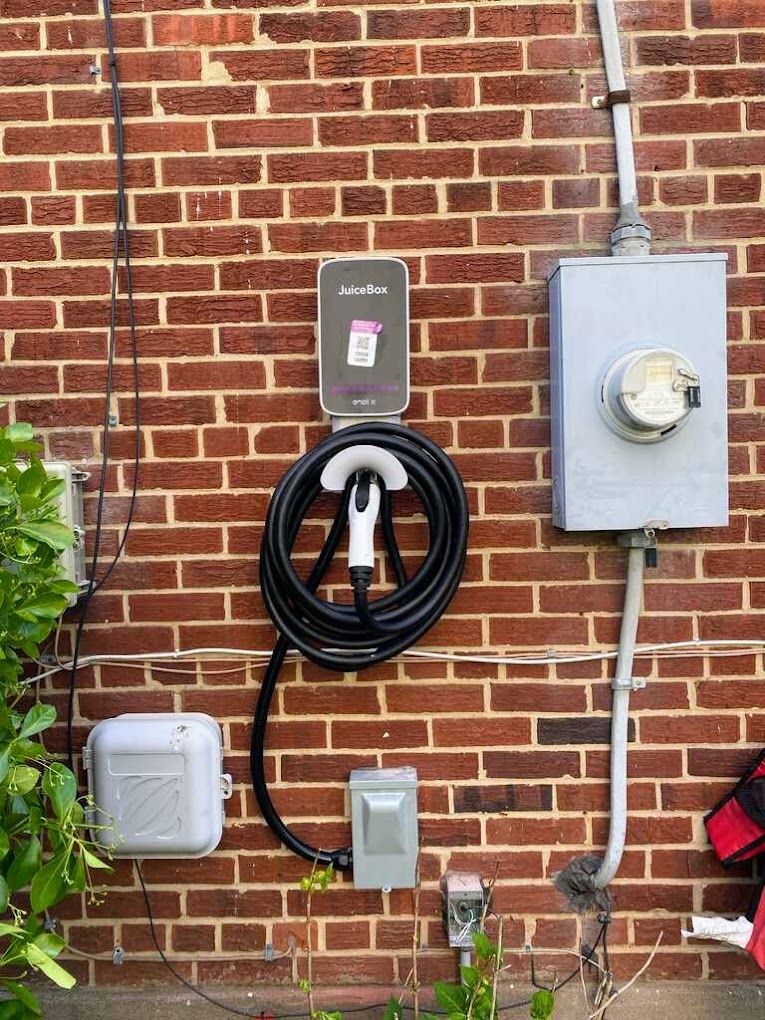
A major driver of increased demand is EV charging. A Level 2 charger alone typically needs a dedicated 40- to 60-amp circuit. Add that to existing needs like electric dryers, induction stoves, and smart systems, and it’s easy to see how quickly a 100-amp panel can fall short.
Assessing Your Current Load
Before making any changes, it’s essential to know what you’re currently working with. Load calculations are used to determine how much electricity your home actually uses. This involves looking at the square footage of your home, the number and type of major appliances, HVAC systems, and future expansion plans.
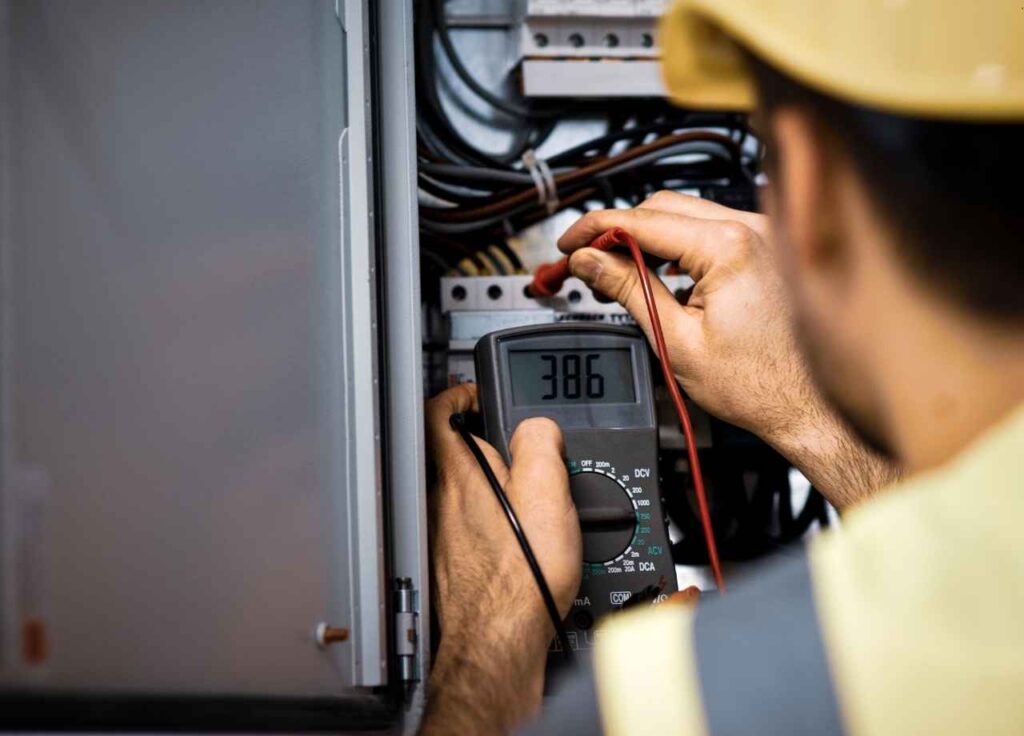
A licensed electrician will perform what’s called a “demand load calculation,” using National Electrical Code (NEC) guidelines. This helps determine whether your current panel can handle your lifestyle, or whether it’s time to upgrade.
DIY attempts at these calculations can be risky and inaccurate. Many homeowners underestimate their electrical load because some large appliances aren’t used at the same time, which can skew perception. Still, the system must be built to accommodate peak usage.
Common Panel Sizes and What They Mean
Residential electrical panels generally come in four standard amperage ratings: 100, 150, 200, and 400 amps. Here’s a breakdown of what each typically supports:
100 Amps – Suitable for very small homes or apartments with minimal appliances and no major upgrades planned. This is now considered outdated for most new construction.
150 Amps – Acceptable for small- to mid-sized homes without high electric demand. Often seen in older homes that have had partial upgrades.
200 Amps – The modern standard. Supports a typical household with central air, modern appliances, and an EV charger.
400 Amps – Typically used in large homes, especially those with multiple HVAC units, electric pool equipment, or home workshops.
Most new homes and serious renovations opt for 200-amp panels, as they offer enough capacity for future growth without being overkill.
Planning for Future Electrical Demand
If you’re building a new home, adding a finished basement, installing solar panels, or buying an EV, it makes sense to consider these changes when choosing your panel amperage. Underestimating your future electrical needs will likely result in another costly upgrade within just a few years.
Electrical panels aren’t something you want to change frequently. The installation involves cutting off power, coordinating inspections, and sometimes coordinating with the utility company. Upgrading now to meet future needs can save you a lot of hassle and expense down the line.
Safety and Code Requirements
Electrical panels must comply with the National Electrical Code, which sets minimum safety standards for wiring, panel sizing, and circuit protection. Your local jurisdiction in Northern Virginia may also have its own building code amendments.
If your current panel is an older model like a Federal Pacific or Zinsco, you may need a replacement regardless of amperage. These panels are known for safety failures and may no longer be considered compliant.
It’s also important to check whether the panel includes enough spaces for the number of circuits you need. An undersized panel can lead to double-tapped breakers or the need for subpanels, which may not be ideal in every situation.
Disclaimer: Electrical panel upgrades and installations should always be performed by a licensed electrician. Working with live circuits is dangerous and requires proper tools, training, and permits.
How Utility Supply Plays a Role
The size of your electrical panel must match what your utility company is capable of supplying to your home. Just because you install a 200-amp panel doesn’t mean your home automatically receives that capacity from the grid.
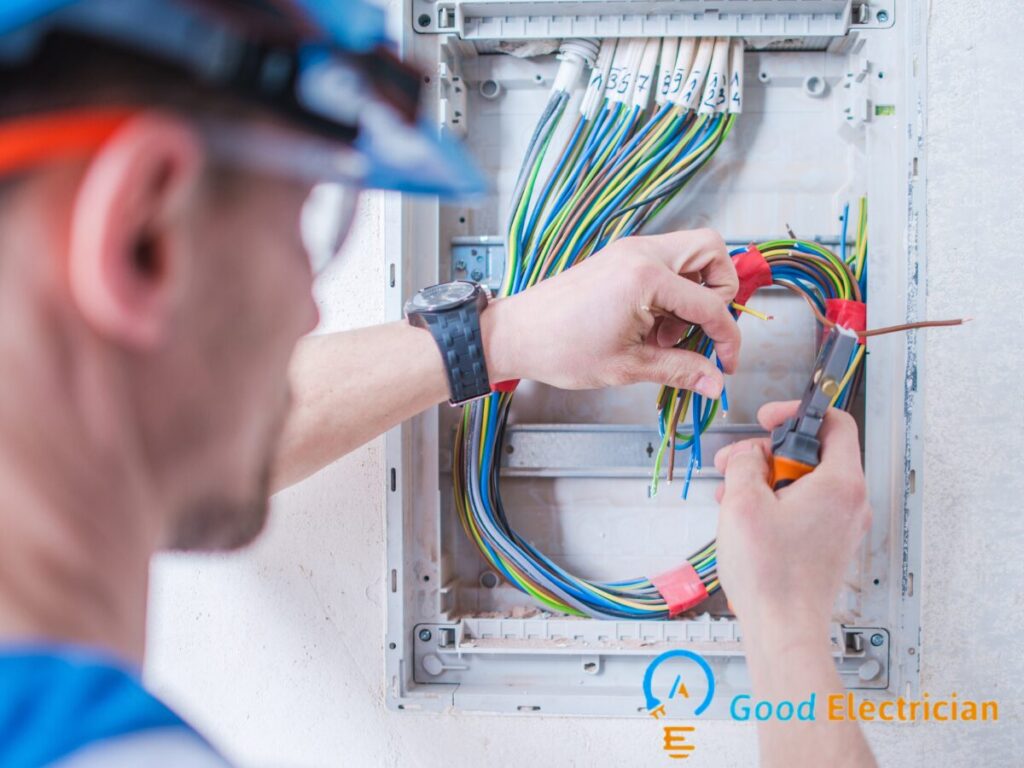
Sometimes, a utility upgrade is necessary. This might include a new service drop, upgraded meter base, or heavier gauge conductors from the pole to your house. This step often requires coordination with the power company and may take several weeks to complete.
This is another reason it’s best to let professionals manage the panel upgrade process. They’ll know how to handle permitting, utility coordination, and inspections efficiently.
Subpanels vs. Full Upgrades
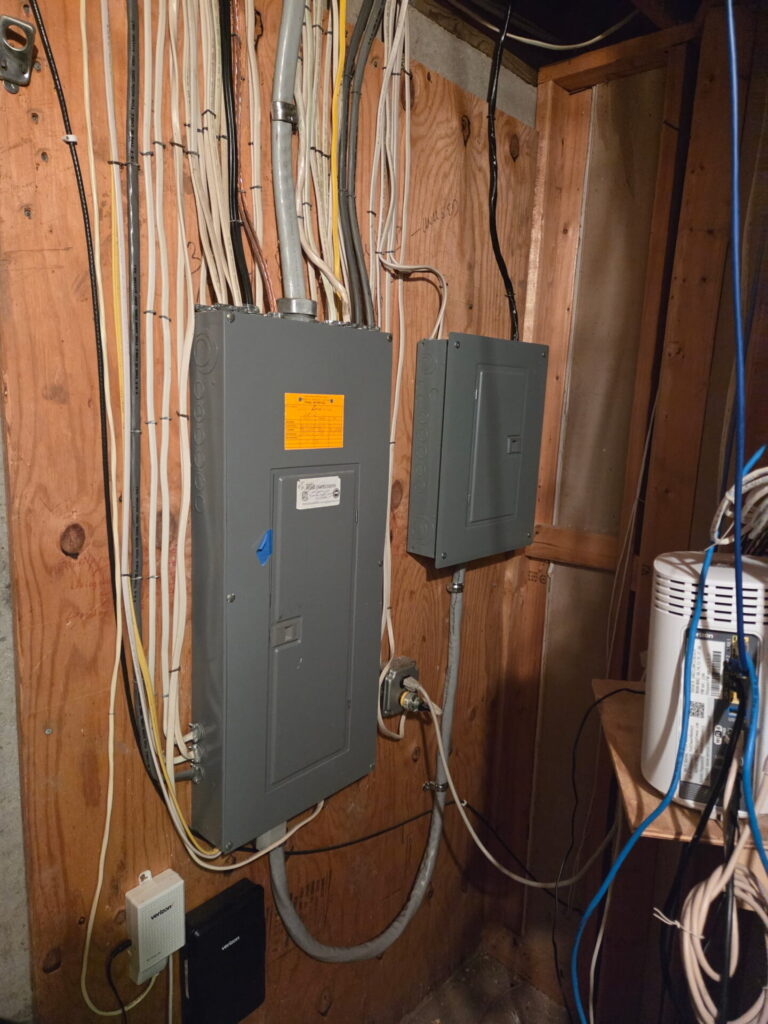
If you’re running out of circuit space but aren’t drawing close to the amperage limit, you may choose a subpanel instead of electric panel. Subpanels extend the number of available circuits and are commonly used in garages, basements, or additions.
However, a subpanel doesn’t increase the total amperage capacity of your system. If your demand is high, a full upgrade to a larger main panel may still be necessary. Subpanels are not a shortcut around inadequate amperage.
When to Seriously Consider an Upgrade
Certain signs make a panel upgrade not just a smart choice, but an urgent one. If your breakers trip frequently, lights dim when major appliances kick on, or you see visible corrosion or rust around the panel, these are all red flags.
Also watch out for warm or buzzing breakers, which may signal dangerous overloads. If you find yourself avoiding using certain appliances at the same time, that’s another clue your system is struggling.
If you’re still using fuses instead of circuit breakers, it’s time to upgrade, period. Fuses are outdated and far less safe.
Final Thoughts
Choosing the right amperage for your home’s electrical panel is a decision that affects your safety, your home’s functionality, and your ability to adapt to modern living. The days of the one-size-fits-all 100-amp panel are over. Homes today need more power, better distribution, and room to grow.
When in doubt, always have a licensed electrician perform a load analysis and assess your current and future needs. Don’t cut corners on your electrical infrastructure—it’s the backbone of your home.