Best Lights for Garage Ceiling
Garage lighting often gets treated as an afterthought, yet it plays a major role in safety, productivity, and even energy efficiency. A poorly lit garage makes simple tasks frustrating and can turn detailed work into guesswork. Bright, evenly distributed light transforms the space into a functional workshop, storage area, or even a clean extension of the home.
Many homeowners reach out to professionals like A Good Electrician LLC when upgrading their garage lighting, especially when adding new fixtures or circuits. A properly planned lighting setup ensures the fixtures perform well without overloading existing wiring.
Why Garage Ceiling Lighting Matters
Garages are unique compared to other rooms. They often have higher ceilings, minimal natural light, and multiple uses. One day it is a parking space, the next it becomes a workspace for tools, hobbies, or storage organization.
Ceiling lighting is the primary source of illumination in most garages. Wall lighting can help in certain areas, but overhead lighting provides the base layer needed for visibility. Without strong ceiling lights, shadows form easily around vehicles, shelves, and workbenches.
Another important factor is color accuracy. Many garage tasks involve wiring, mechanical repairs, or detailed assembly work. Poor lighting can distort colors and make it harder to identify wires, fluids, or small parts.
Key Factors to Consider Before Choosing Garage Lights
Choosing the best garage ceiling lights is not just about brightness. Several technical factors influence performance and long term satisfaction.
Brightness and Lumens
Lumens measure the total light output of a fixture. For garages, higher lumens are essential. A single car garage typically needs around 4,000 to 8,000 lumens, while larger garages may require 10,000 lumens or more depending on usage.
Uniform brightness matters more than raw output. Spreading light across multiple fixtures reduces harsh shadows and creates a balanced environment.
Color Temperature
Color temperature affects how the light feels and performs. Measured in Kelvin, it ranges from warm yellow tones to cool daylight tones.
Garage lighting works best between 4000K and 5000K. This range provides a clean, white light that improves visibility without being too harsh. It also helps with accurate color recognition during repairs or projects.
Energy Efficiency
Modern lighting options focus heavily on energy efficiency. LED fixtures consume far less power than traditional bulbs and last significantly longer. This reduces both electricity costs and maintenance.
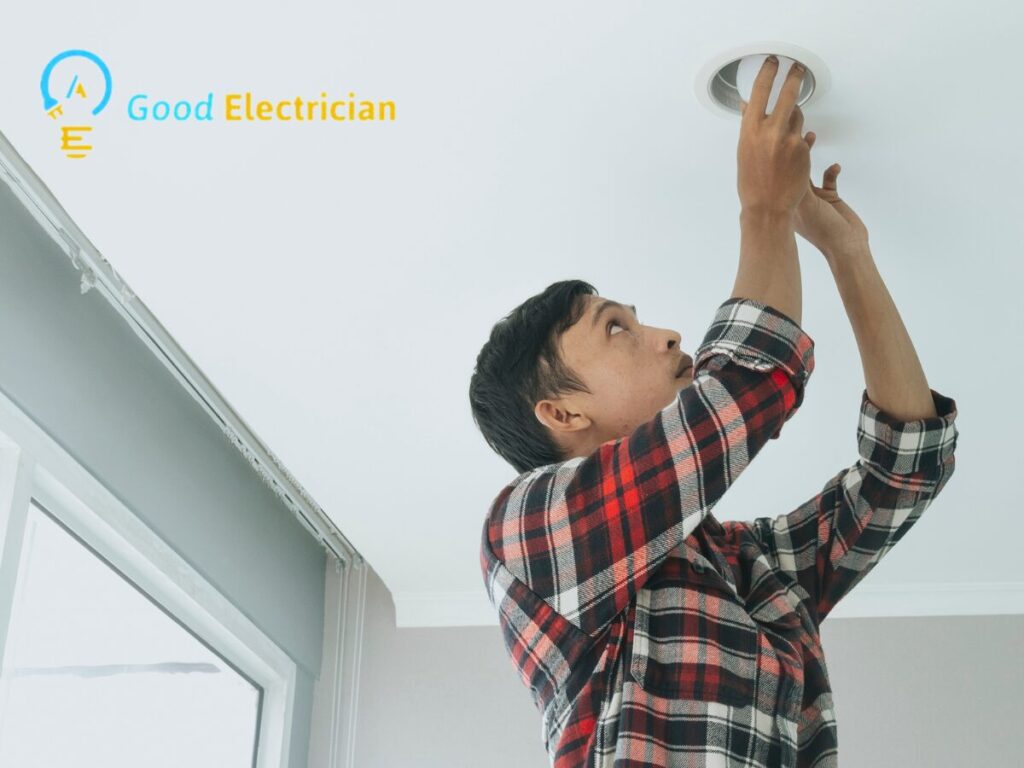
Energy efficient lighting is especially important in garages that are used frequently or for extended periods.
Fixture Durability
Garages can be dusty, humid, or subject to temperature changes. Lighting fixtures should be rated for these conditions. Look for fixtures with durable housings and proper sealing if the garage is not climate controlled.
Types of Garage Ceiling Lights
Different lighting types serve different needs. Choosing the right one depends on how the garage is used.
LED Shop Lights
LED shop lights are among the most popular options for garage ceilings. They are lightweight, easy to install, and provide strong, consistent illumination.
These fixtures often come in long, narrow designs that distribute light evenly across the space. Many models are linkable, allowing multiple lights to connect in a row for larger garages.
LED shop lights also start instantly without flickering, even in cold conditions. This makes them ideal for garages in varying climates.
LED Panel Lights
LED panel lights offer a clean, modern look and are commonly used in finished garages. They provide wide, even light coverage with minimal glare.
These fixtures are typically mounted flush to the ceiling, making them a good option for garages with lower ceiling heights. They work well in spaces that double as workshops or hobby areas.
High Bay Lights
High bay lights are designed for garages with tall ceilings, usually above 10 feet. They produce powerful illumination that reaches the floor without losing intensity.
These fixtures are often used in commercial settings but are becoming more common in residential garages with high ceilings. They are a strong choice for large spaces or areas with heavy equipment.
Fluorescent Lights
Fluorescent lights were once the standard for garage lighting. They are still found in many homes, but they have largely been replaced by LEDs.
They can provide decent brightness, but they are less energy efficient and often struggle in cold temperatures. Flickering and delayed startup are common issues.
Replacing fluorescent fixtures with LED alternatives is one of the most noticeable upgrades a homeowner can make.
Screw In LED Garage Lights
Screw in LED lights are designed to fit into standard bulb sockets. Many feature adjustable panels that can be angled to direct light where needed.
They are easy to install and require no wiring changes, making them a quick upgrade option. These are best suited for smaller garages or as a supplement to existing lighting.
How to Plan Garage Ceiling Lighting Layout
A good lighting layout is just as important as the fixtures themselves. Even the best lights will underperform if they are placed incorrectly.
Start by dividing the garage into zones. The main parking area, workbench, and storage sections may each require different levels of brightness.
Spacing between fixtures should allow for overlap in light coverage. This reduces shadows and ensures consistent brightness across the entire space.
For standard ceiling heights, placing fixtures about 4 to 6 feet apart works well in most cases. Larger garages may require additional rows of lights to maintain even coverage.
Positioning lights directly above work areas improves visibility for detailed tasks. Avoid placing fixtures only along the edges, as this can leave the center dim.
Smart Lighting Options for Garages
Smart lighting is becoming more common in garages, offering added convenience and control.
Smart switches or bulbs allow homeowners to control lighting through mobile apps or voice assistants. This can be useful when entering the garage with hands full or managing lighting remotely.
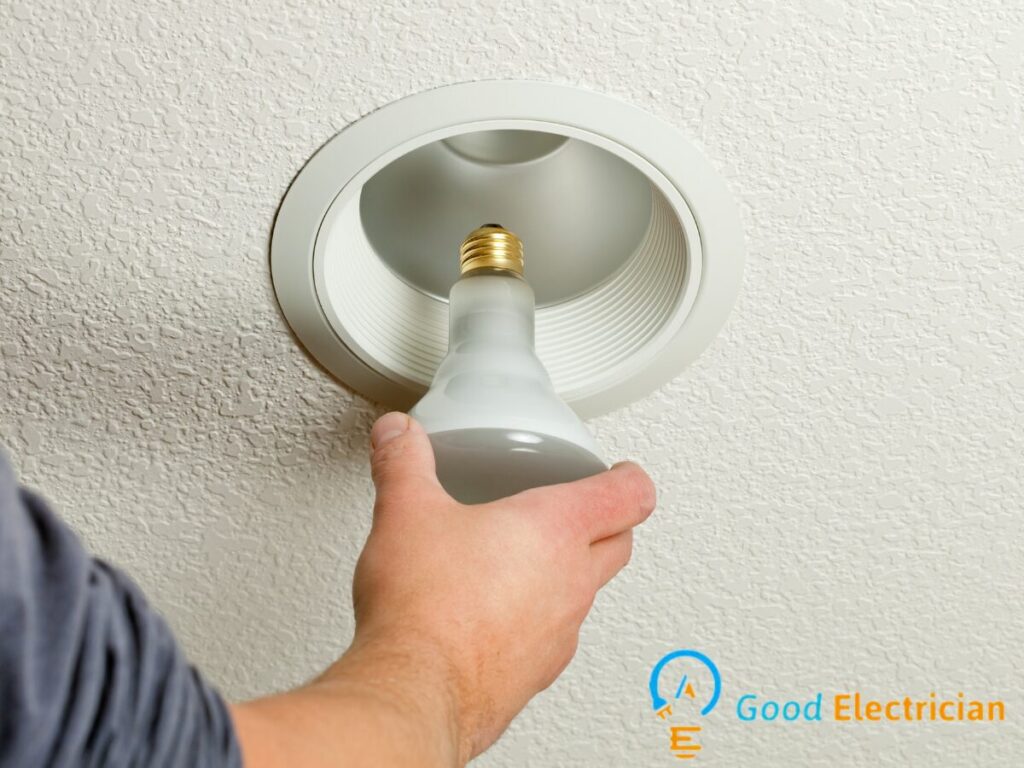
Motion sensor lighting is another practical feature. Lights automatically turn on when movement is detected and switch off after a set period. This improves energy efficiency and adds a layer of security.
Dimming capabilities can also be useful in multi purpose garages. Bright lighting can be used for work, while lower levels create a more relaxed setting.
Installation Considerations and Safety
Installing garage ceiling lighting involves more than just mounting fixtures. Electrical capacity, wiring condition, and circuit load all need to be evaluated.
Older garages may not have wiring designed for modern lighting setups. Adding multiple high output fixtures could overload existing circuits if not properly assessed.
Professional installation ensures that all components are safely connected and compliant with electrical codes. It also allows for proper placement and optimal performance.
Any electrical work, including installing new fixtures or modifying wiring, should ideally be handled by trained professionals or licensed electricians to ensure safety and reliability.
Common Mistakes to Avoid
Many garage lighting setups fall short due to a few common mistakes.
Relying on a single central fixture is one of the biggest issues. This creates uneven lighting and deep shadows around the space.
Choosing the wrong color temperature can also affect usability. Lights that are too warm can make the garage feel dim, while overly cool lights may cause discomfort.
Ignoring energy efficiency leads to higher operating costs over time. Modern LED solutions provide better performance while using less power.
Improper fixture placement can leave key areas underlit. Planning the layout ahead of time helps avoid this problem.
Final Thoughts
Upgrading garage ceiling lighting is one of the most practical improvements a homeowner can make. The right setup enhances visibility, supports safer work conditions, and makes the space far more usable.
LED technology continues to lead the way, offering strong performance, long lifespan, and energy savings. Matching the fixture type to the garage size and usage ensures the best results.
A well lit garage is not just about brightness. It is about clarity, consistency, and reliability. Taking the time to choose the right lights and plan their placement pays off every time the space is used.