Can My Electrical Panel Handle an EV Charger?
Buying an electric vehicle changes one part of your home that many homeowners rarely think about: the electrical panel. An EV can use a standard 120-volt outlet for Level 1 charging, but most homeowners who want practical overnight charging choose a 240-volt Level 2 charger. That charger can become one of the larger electrical loads in the house.
Whether your existing panel can handle it depends on more than the number printed on the main breaker. Panel capacity, existing electrical demand, charger output, available breaker spaces, equipment condition, and National Electrical Code requirements all matter.
A Good Electrician LLC can evaluate an existing electrical system and determine whether an EV charger can be added safely or whether load management, electrical repairs, or a panel upgrade should be considered. Any EV charger circuit, panel modification, or service upgrade should ideally be designed and installed by a trained, licensed electrician familiar with current code requirements and local permitting.
Why an EV Charger Places a Significant Load on Your Panel
Level 2 EV charging commonly operates at 240 volts and may draw 16, 24, 32, 40, 48, or more amps depending on the charger, vehicle, circuit, and electrical service. Unlike appliances that cycle on and off, an EV can charge continuously for several hours.
Under the National Electrical Code, EV charging is treated as a continuous load. A branch circuit serving continuous loads generally needs to be sized at 125% of the maximum continuous load. That is why a charger configured for 40 amps is commonly installed on a 50-amp circuit, and a 48-amp charger commonly requires a 60-amp circuit.
The charger setting matters just as much as its advertised maximum output. A charger capable of 48 amps does not necessarily need to operate at 48 amps. Many units can be configured for a lower current when the home’s electrical capacity or charging needs call for it.
Your Main Breaker Size Does Not Give the Full Answer
Homeowners often see a 200-amp main breaker and assume there is room for any EV charger. Others see a 100-amp service and assume an upgrade is mandatory. Neither assumption is reliable.
A 200-amp service can already carry substantial loads from electric heating, air conditioning, water heating, cooking equipment, dryers, hot tubs, workshops, or other large equipment. A 100-amp service may have enough calculated capacity for an EV charger if the home’s existing electrical demand is relatively modest.
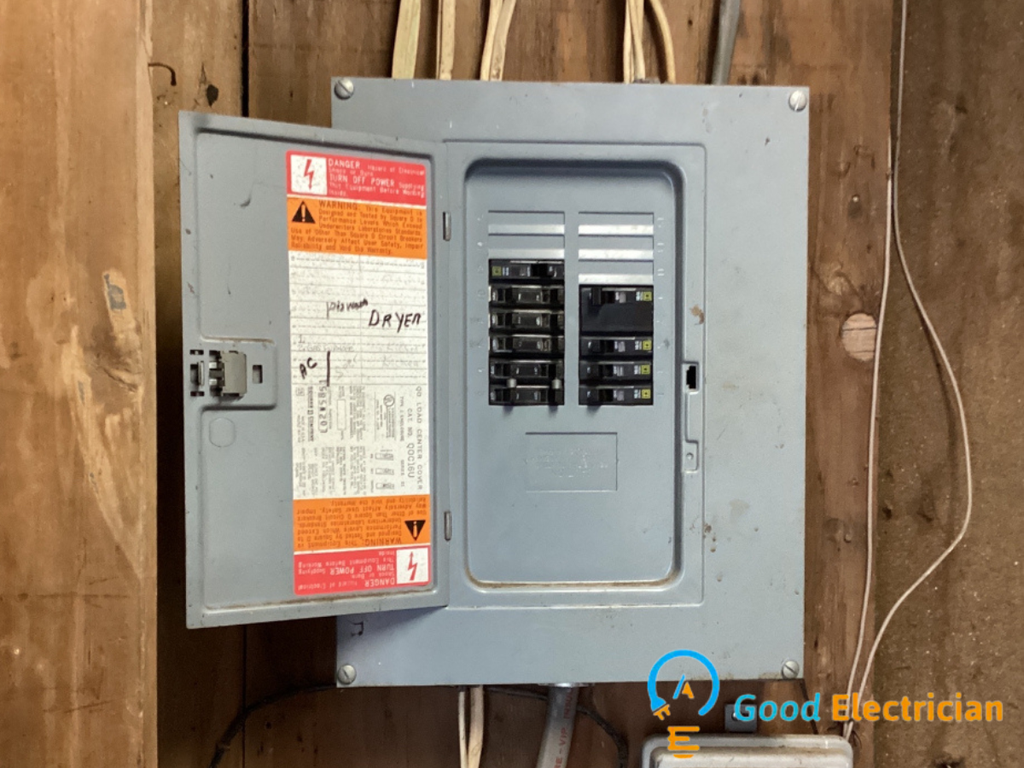
Electricians use a load calculation rather than simply adding every breaker rating together. Breaker ratings cannot be totaled to determine service capacity because most household circuits do not operate at maximum load simultaneously. The calculation considers the home’s electrical loads and applies the demand factors required by the applicable electrical code.
That calculation is one of the most important steps when deciding whether a panel can support EV charging.
Breaker Space and Electrical Capacity Are Different Things
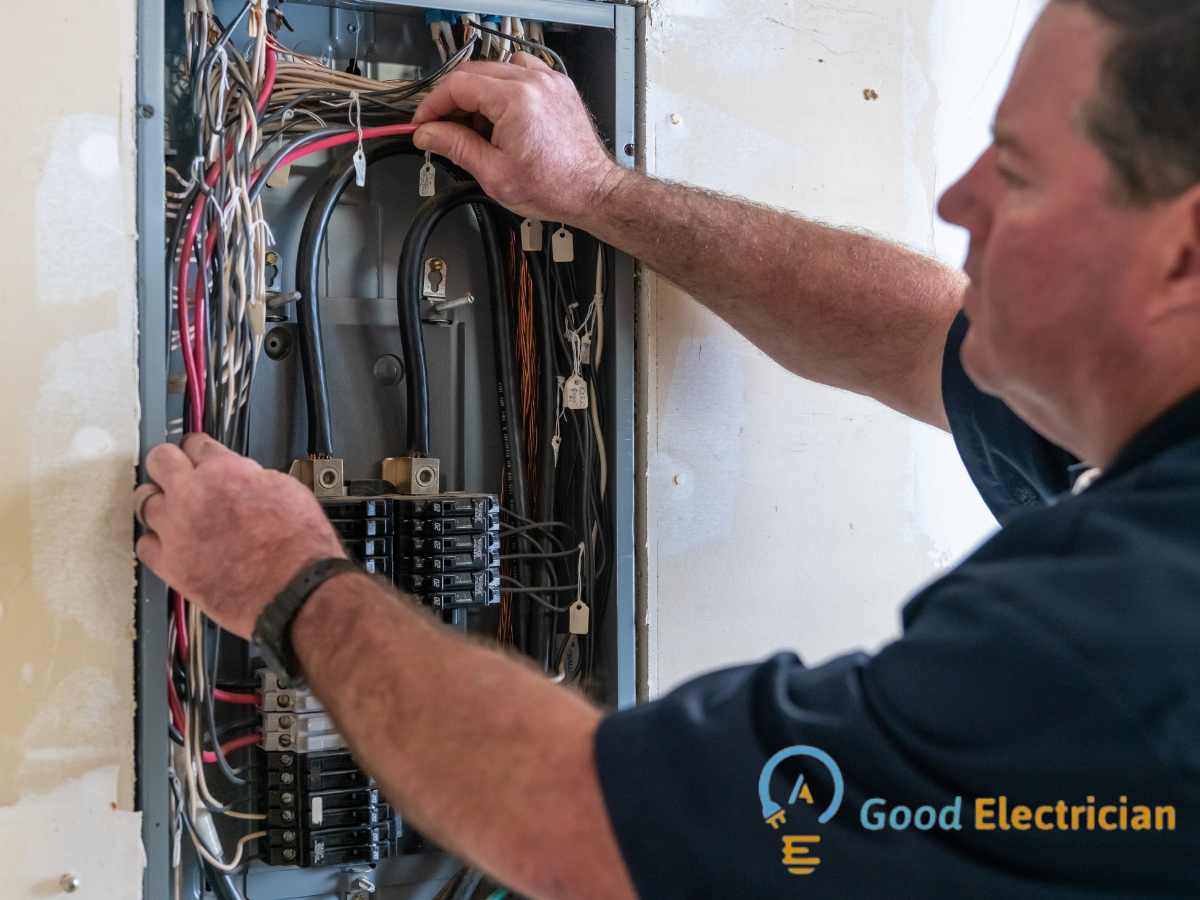
Opening the panel and finding two empty breaker spaces can look promising because most Level 2 chargers need a two-pole breaker. Empty spaces, however, do not prove that the electrical service has enough capacity.
The opposite can also happen. A panel may have adequate electrical capacity but no suitable physical space for another breaker. Depending on the listed equipment and panel design, an electrician may be able to reorganize circuits or use approved breaker configurations. Other panels may require different corrective work.
Panel modifications should ideally be handled by a qualified electrician. Removing the panel cover can expose energized components, and parts of the service equipment may remain energized even when the main breaker is switched off.
How Much Capacity Does Your EV Charger Actually Need?
Charging equipment should be selected around the vehicle, driving habits, available charging time, and electrical system rather than automatically choosing the highest amperage available.
A 32-amp Level 2 charger typically requires a 40-amp circuit. A 40-amp charger typically uses a 50-amp circuit. A 48-amp charger is commonly installed on a 60-amp circuit. Higher-powered equipment can require substantially more capacity.
Those numbers are important because increasing charging current does not always produce a useful improvement. The vehicle’s onboard charger sets a limit on how much AC power the vehicle can accept. Installing charging equipment capable of delivering more power than the vehicle accepts will not make that vehicle charge beyond its onboard limit.
Driving patterns matter too. A homeowner replacing a moderate amount of daily mileage overnight may have little practical need for maximum charging output. Configuring a charger at a lower amperage can sometimes make EV charging possible without major electrical upgrades.
When a Load Calculation Shows the Panel Is Near Its Limit
A panel that lacks spare calculated capacity does not automatically mean the only answer is replacing everything. Several approaches may be available depending on the existing service and the equipment being installed.
Reducing the charger’s configured current is one possibility. A lower charging rate reduces the new electrical load and may still provide plenty of overnight range for the homeowner’s normal driving.
Energy management systems are another increasingly useful option. Compatible equipment can monitor electrical demand and limit or pause EV charging when the house is using substantial power. Charging can increase again when other loads decrease. Properly designed systems can help some homes add EV charging without increasing service capacity.
A service or panel upgrade may still be appropriate when the existing electrical system cannot safely support the desired charger, has outdated or damaged equipment, lacks capacity for planned electrification, or presents other limitations.
Any load-management equipment, circuit changes, or service upgrades should ideally be evaluated and installed by trained electrical professionals according to manufacturer instructions, applicable electrical codes, and local permit requirements.
Panel Rating and Electrical Service Size Are Not Always the Same
Another common source of confusion is the rating printed on the panel itself. A panel enclosure or bus may be rated for 200 amps, but that does not automatically mean the home receives a 200-amp electrical service.
The actual service capacity depends on the service equipment, main overcurrent protection, conductors, utility connection, and overall installation. Homes that have been remodeled can also contain equipment from different generations, making visual assumptions unreliable.
An electrician evaluating an EV charger installation should identify the actual service rating rather than relying solely on a label found inside the panel.
Panel Condition Matters Alongside Capacity
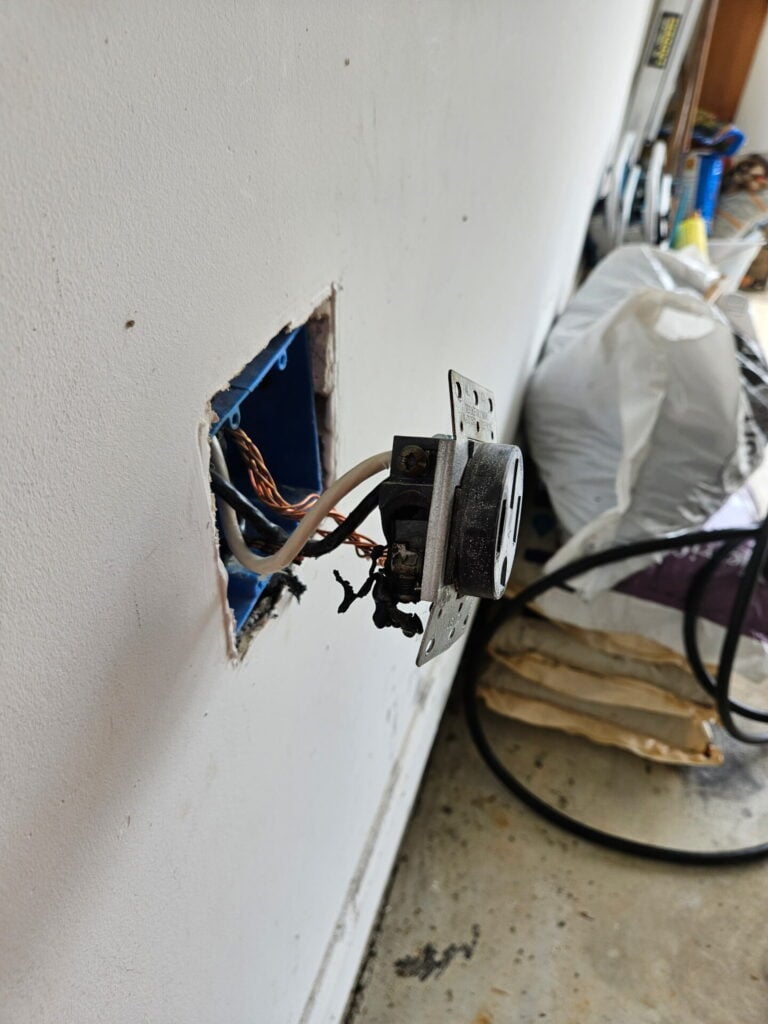
An electrical panel can pass a capacity calculation and still need attention before an EV charger is added. Loose connections, overheating, corrosion, damaged components, improper previous modifications, incompatible breakers, or deteriorated equipment can change the installation plan.
EV charging is especially important in this respect because the circuit can carry substantial current for hours at a time. Connections, conductor sizing, terminations, breaker selection, and charging equipment all need to be suitable for that sustained load.
The evaluation should also include the proposed circuit path. A detached garage, long conductor run, difficult routing, or charger location far from the electrical panel can affect conductor sizing, voltage drop considerations, installation method, and project cost.
Hardwired Charger or Plug-In Charger?
Panel capacity is only part of the installation decision. Homeowners also need to decide whether the EV charger will be hardwired or connected through a receptacle when the equipment permits either configuration.
Hardwired charging equipment eliminates the receptacle-and-plug connection and is commonly selected for higher-current permanent installations. Plug-in chargers can offer flexibility, but the receptacle, wiring, circuit protection, and installation must meet the requirements that apply to the location and equipment.
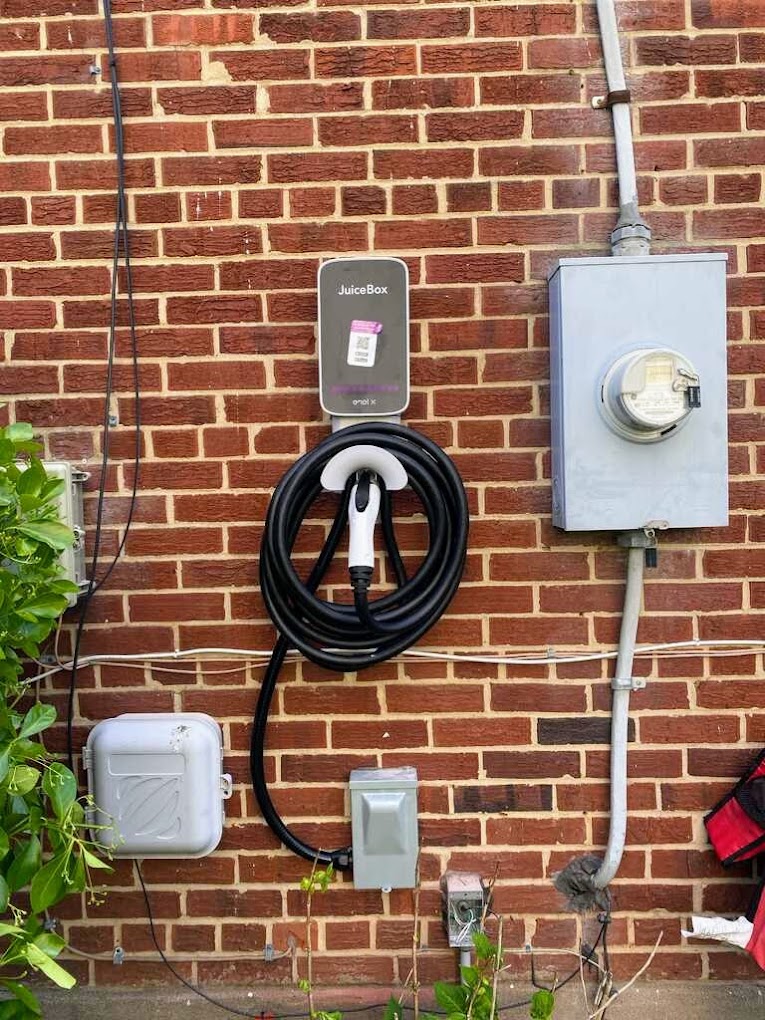
Current code requirements can also affect GFCI protection for receptacles used for EV charging. Local jurisdictions may be enforcing different adopted code editions and amendments, so the installation should be based on the requirements applicable at the property rather than assumptions from an older project.
These installations should ideally be completed by a trained electrician, particularly because EV charging involves high-current, long-duration operation.
Should You Upgrade the Panel Before Installing an EV Charger?
A panel upgrade makes sense when the existing electrical service genuinely lacks capacity, the equipment is unsuitable for the planned installation, or the homeowner is preparing for additional electrical loads.
Future plans deserve consideration. A household expecting to add a second EV, heat pump, electric water heater, induction range, hot tub, workshop equipment, or other large loads may benefit from planning those loads together. Installing equipment based only on today’s charger can lead to unnecessary rework later.
That does not mean every older or smaller panel should automatically be replaced. A proper assessment may reveal that the existing service is adequate, that a lower charger setting works well, or that approved energy management provides a better solution.
What an Electrician Should Check Before the Installation
A useful EV charging assessment goes beyond asking whether the home has a 100-amp or 200-amp panel. The electrician should identify the service rating, inspect the panel and existing equipment, determine whether suitable breaker positions are available, perform the applicable load calculation, and review the charger’s electrical requirements.
The proposed charger location and wiring route also need attention. Charger output should be compared with the vehicle’s charging capability and the homeowner’s actual charging needs. Permit, inspection, grounding, bonding, overcurrent protection, manufacturer requirements, and applicable local electrical rules should be addressed as part of the project.
This approach provides a much more reliable answer than judging the panel by its age, number of breakers, or main breaker size alone.
So, Can Your Panel Handle an EV Charger?
Many existing electrical panels can support Level 2 EV charging, including some 100-amp services. Others require a lower charger setting, energy management, panel work, or a service upgrade. The correct answer depends on the calculated electrical demand and the condition and configuration of the home’s electrical system.
Avoid assuming that a 200-amp panel automatically has room or that a 100-amp panel automatically needs replacement. EV charging can often be tailored to the capacity that is actually available.
A professional load calculation and electrical inspection provide the information needed to choose the right charging setup. Any new EV charging circuit, electrical panel work, or service modification should ideally be performed by a qualified electrician and completed under applicable electrical codes, manufacturer instructions, permits, and inspection requirements.