How to Prepare Your Home for EV Charger Installation
Installing an EV charger at home is one of the most practical steps you can take when you own or are planning to own an electric vehicle. Home charging offers convenience, better control over charging schedules, and long-term savings compared to public stations. But before an electrician shows up with tools in hand, there are several important steps homeowners should take to ensure the installation goes smoothly and safely.
At A Good Electrician, we handle EV charger installations across Northern Virginia and make the process straightforward for our customers. That said, there are things every homeowner should know and do in advance to make the installation quicker, safer, and more cost-effective.
Evaluate Your Electrical Panel Capacity
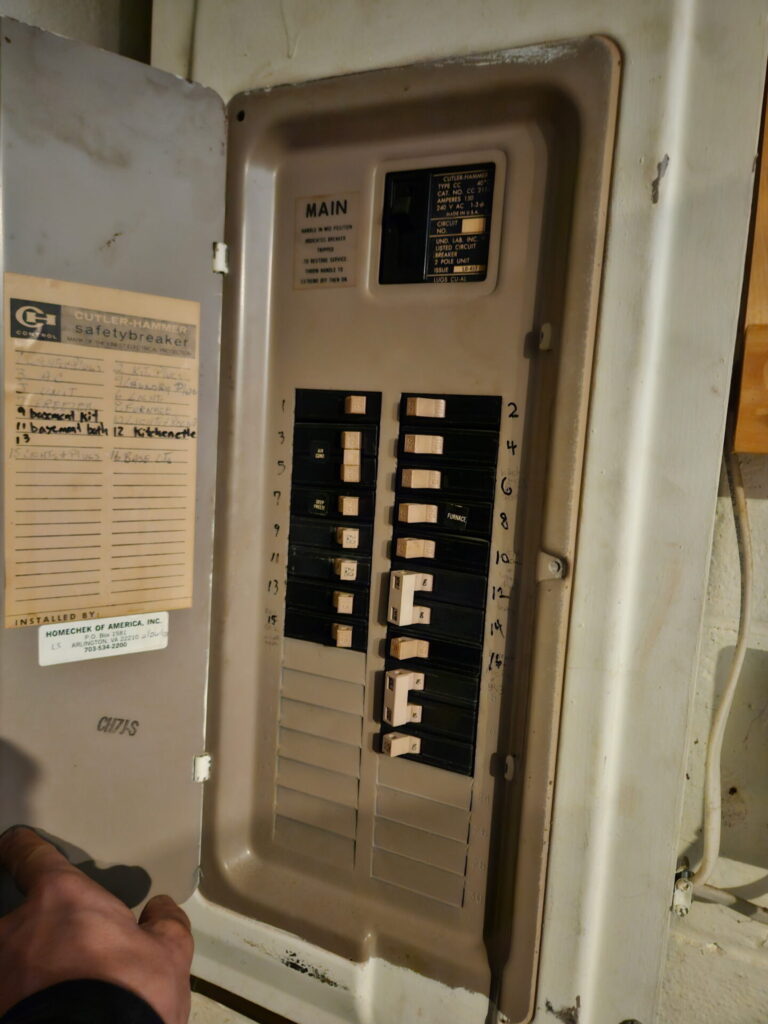
Before installing any EV charger, the existing electrical panel must be evaluated to determine if it can support the added load. Most Level 2 chargers require a dedicated 240-volt circuit and draw anywhere from 30 to 50 amps. If your panel is already maxed out or outdated, it may need to be upgraded or expanded.

An overloaded panel is not just a problem for EV charging—it can lead to frequent tripping, overheating, or even fire hazards. If your home is older or has seen a lot of additions over the years, this is especially important. A licensed electrician can perform a load calculation and let you know if a panel upgrade is necessary. Any upgrades to the panel or main service should be handled by a professional, as this involves working directly with high-voltage systems and utility connections.
Determine Charger Location and Access
Choosing the right spot for your charger is about more than convenience. You’ll need to consider how far it is from your main electrical panel, what type of wall or structure it will be mounted on, and whether it’s protected from the elements. Most homeowners install their chargers in the garage, but outdoor setups are also common and perfectly safe if installed properly.
Longer wiring runs from the panel to the charger mean higher installation costs and potential voltage drop issues. A nearby location reduces both cost and complexity. Also consider cable management—tripping hazards from tangled cords are more common than you might think.
If the charger will be outdoors, make sure there’s adequate lighting and the installation includes a weatherproof enclosure. It’s also worth checking whether local code requires specific mounting heights or clearances.
Check Local Codes and Permit Requirements
Many municipalities require permits for EV charger installations, especially when a new circuit or panel upgrade is involved. Local codes can dictate everything from the type of wiring to grounding methods and even the make/model of the charger. Some jurisdictions have expedited permitting processes for EV charger installations, while others may require inspection after the work is completed.
Skipping this step can cause headaches later, especially if you ever sell your home. Unpermitted electrical work can void insurance or lead to fines. A qualified electrician will know the permitting requirements in your area and handle the paperwork, but it’s smart for homeowners to be aware ahead of time.
Decide on the Right Charger for Your Vehicle
There’s a wide range of EV chargers on the market, and choosing the right one depends on your vehicle, driving habits, and budget. Some EVs come with a Level 1 charger, which plugs into a standard 120-volt outlet, but these are slow and not ideal for daily use. A Level 2 charger, which uses a 240-volt outlet, offers much faster charging speeds—typically adding 20–30 miles of range per hour.
Smart chargers offer Wi-Fi connectivity, app control, and the ability to schedule charging times to take advantage of lower electricity rates. Some utility companies even offer rebates for using smart chargers. Be sure your chosen charger is UL-listed or certified by a nationally recognized testing lab. This ensures safety and compatibility with your electrical system.
If you’re unsure which unit best fits your needs, a professional installer can recommend models that match your EV and future-proof your home if you plan to upgrade your vehicle later.
Plan for Future Electrical Needs
Installing an EV charger is a good time to think ahead. Will you be adding solar panels later? Are you planning to get a second EV? How about upgrading your HVAC system or finishing your basement? All of these can impact your home’s electrical load.
Oversizing the panel now or installing conduit for a second charger later can save significant time and money down the road. If your home already has a subpanel in the garage, you’re in good shape. Otherwise, now might be the time to install one, especially if you’re also thinking about adding smart home upgrades, security systems, or electric heating.

Working with a licensed electrician who can assess your home’s long-term electrical needs is key. Trying to guess what your system might support in the future often leads to rework, which costs more and creates unnecessary disruption.
Prepare the Installation Area
Before installation day, take a moment to clear the area around your electrical panel and the chosen charger location. This makes it easier for the electrician to do their work safely and efficiently. If the panel is blocked by storage, shelving, or heavy items, move them out of the way.
If the charger is going into the garage, check the walls for signs of moisture, damage, or pests—especially if you’re installing on drywall or wood framing. A clean, dry, and accessible wall makes for a better mounting surface.
For outdoor installations, confirm that the site is free of water pooling or excessive shade, which can indicate drainage issues or poor conditions for wiring. And if trenching is required to run conduit, make sure the path is accessible and marked if underground utilities are present.
Understand Installation Timeline and Costs
Most standard EV charger installations take a few hours, but more complex jobs—like those requiring trenching, panel upgrades, or subpanel installations—can take a full day or more. It’s a good idea to ask for a site walk-through and estimate in advance.
Costs vary depending on the complexity, materials needed, and charger type. While there are DIY-friendly chargers available, installation always involves high-voltage electricity and should be performed by a trained professional. Attempting to install a Level 2 charger without the proper knowledge can result in serious injury, code violations, or damage to your vehicle.
Get a quote that includes labor, permits, and any upgrades so there are no surprises. Some utility providers also offer rebates or incentives for residential EV charger installations, so be sure to ask your electrician if you’re eligible.
Wrap-Up
Getting your home ready for an EV charger isn’t just about plugging in a new device. It’s about making sure your electrical system is up to the task, your installation site is safe and accessible, and that the work complies with local codes and future needs. Taking time to prepare properly means a faster, smoother installation and better performance over the long run.
Working with an experienced electrician ensures everything is done right the first time. And once your charger is installed, you’ll enjoy the convenience of charging your EV from the comfort of your own home, ready to hit the road whenever you are.