Prevent Electrical Fires: The Benefits of Infrared Thermal Inspections
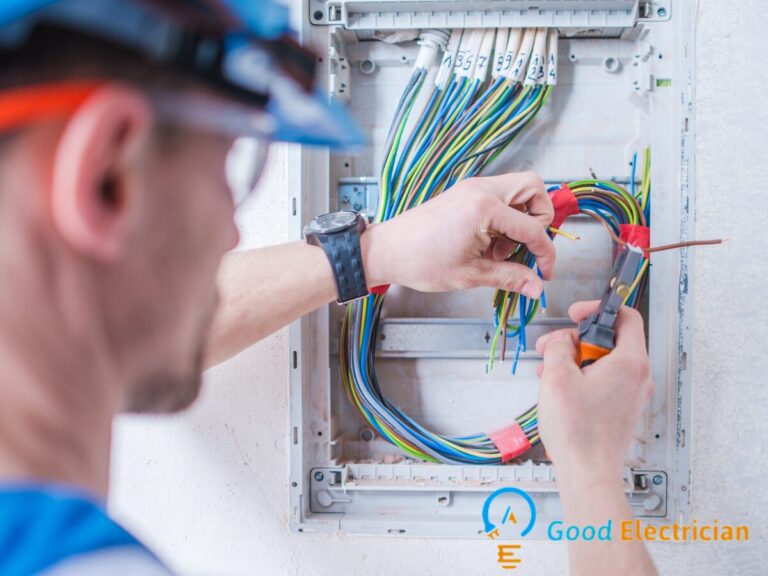
Electrical fires are among the leading causes of property damage in homes and businesses. They often begin silently—hidden inside panels, behind walls, or in wiring that looks normal to the naked eye. By the time there’s visible smoke or a tripped breaker, the problem has usually escalated into a dangerous situation. One of the most effective ways to catch these hidden risks before they ignite is through infrared thermal inspections. This modern diagnostic tool allows electricians to identify overheating connections, overloaded circuits, and faulty equipment without dismantling systems or waiting for a failure to occur. At A Good Electrician, we use thermal imaging technology as part of preventive maintenance to help customers keep their electrical systems safe and reliable.
Why Electrical Fires Start
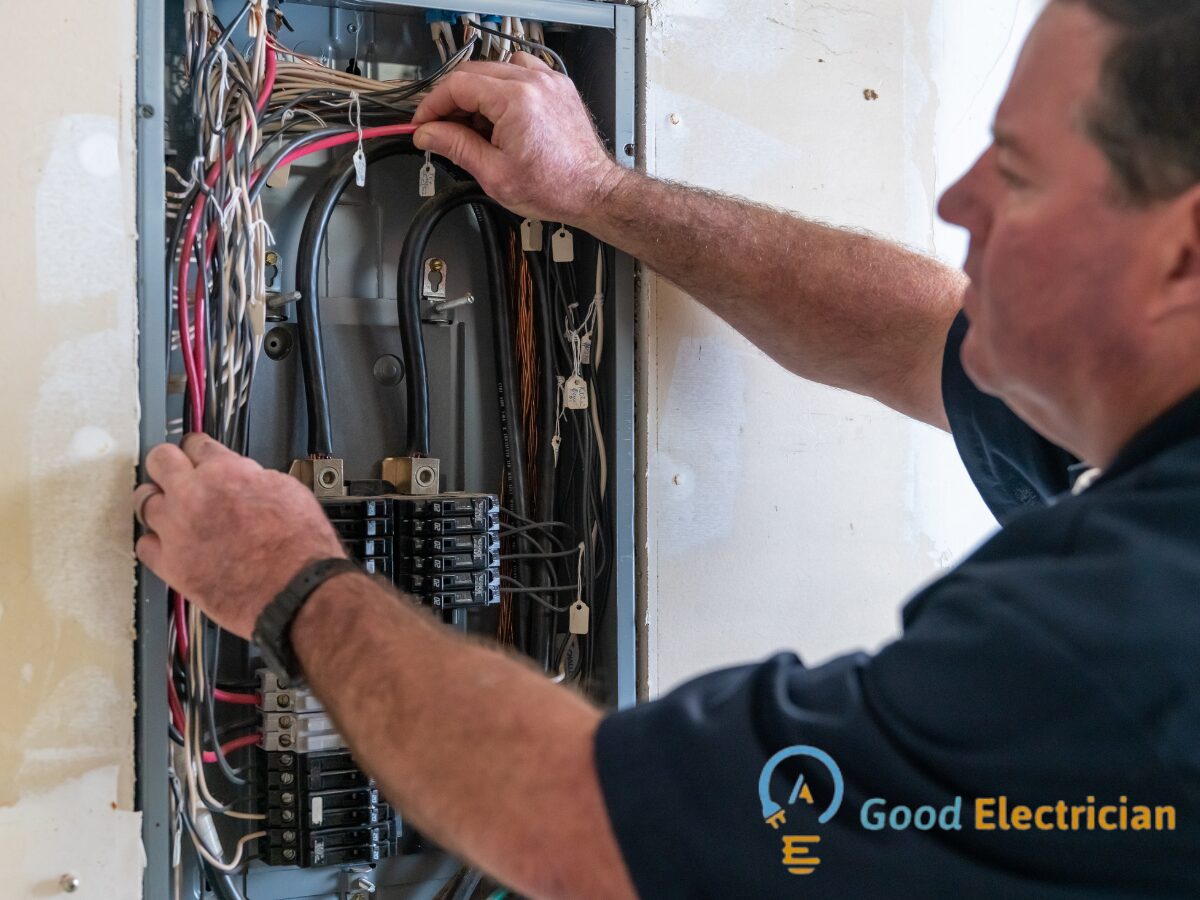
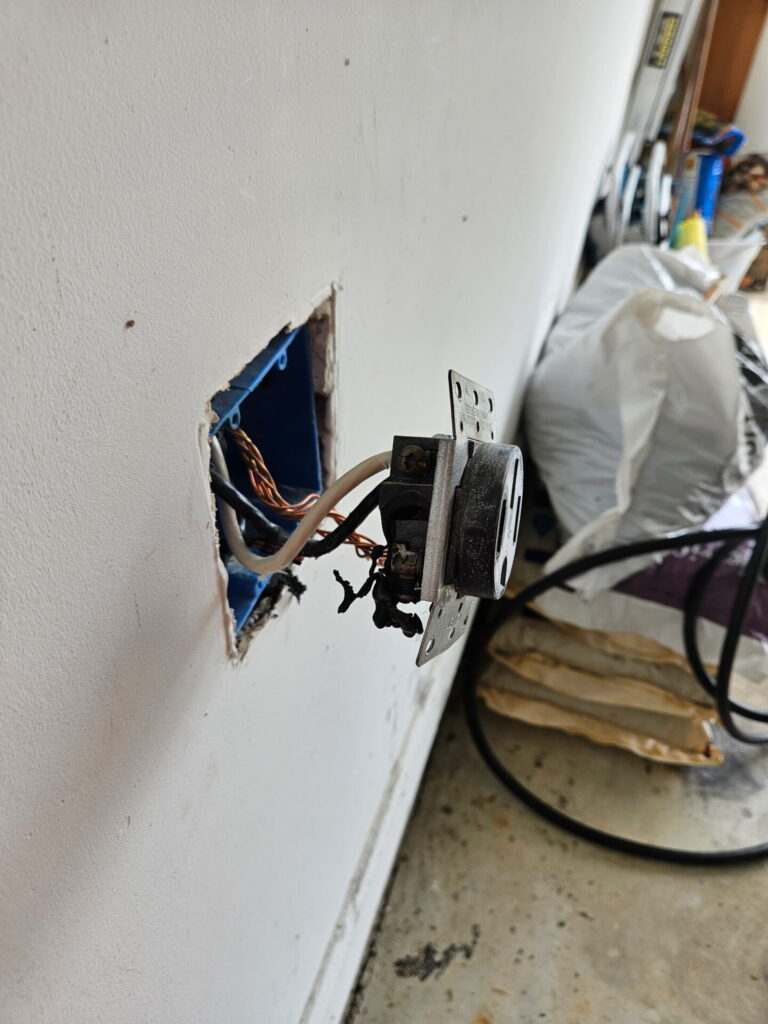
Most electrical fires don’t happen randomly—they start because of predictable conditions. Loose connections, corroded wiring, deteriorating insulation, and overloaded circuits generate heat. That heat builds up over time until it reaches a temperature where surrounding materials ignite. Standard visual inspections are not always enough to reveal these problems. A breaker panel may look perfectly fine, but inside a lug could be overheating because of a loose screw, or a neutral bus may be carrying too much current. The danger is invisible until a fire breaks out.
Thermal imaging changes this equation by giving electricians a non-invasive way to “see” electrical heat patterns. Instead of relying on surface appearance, an infrared camera detects variations in temperature that point to abnormal resistance or imbalanced loads.
How Infrared Thermal Inspections Work
Infrared inspections use a specialized camera that detects energy emitted as heat. Every electrical component, from breakers to transformers, gives off a thermal signature when current flows through it. In normal conditions, these components operate within a safe temperature range. When there is excess resistance—caused by wear, improper installation, or damage—the temperature spikes in specific areas.
During an inspection, the electrician scans electrical panels, junction boxes, outlets, and equipment connections while systems are live. The camera produces a color-coded thermal image that highlights hot spots. A conductor running warmer than its neighbors or a breaker glowing brighter than the rest is a clear indicator of trouble. This allows the electrician to pinpoint the exact location of the fault and recommend repairs before the issue progresses into an emergency.
It’s important to note that these inspections involve working around energized equipment. This type of testing should always be performed by trained electricians who understand both the technology and the safety protocols required.
The Advantages of Detecting Problems Early
The greatest benefit of infrared thermal inspections is prevention. By detecting and addressing electrical issues before they become hazardous, property owners significantly reduce the risk of fires. But prevention isn’t the only advantage—there are several additional benefits.
Increased Safety for Homes and Businesses
Electrical systems in homes, offices, and commercial facilities often run at or near full capacity. An unnoticed fault in this environment can be catastrophic. Infrared inspections uncover dangerous conditions without shutting down operations, giving peace of mind that the system is not silently deteriorating.
Reduced Downtime and Costly Repairs
When an electrical failure occurs, the cost isn’t just the repair bill. Businesses lose productivity, homeowners face unexpected outages, and in severe cases, damage to equipment can be extensive. By catching problems early, repairs can be scheduled during planned downtime, minimizing disruption. Replacing a single overheated breaker is far less expensive than rewiring an entire panel after a fire.
Extended Lifespan of Electrical Equipment
Heat is the enemy of electrical equipment. Continuous overheating degrades insulation, weakens connections, and shortens the lifespan of breakers, switches, and wiring. Regular thermal inspections help maintain components within their safe operating range, extending their service life and maximizing the return on investment.
Where Thermal Inspections Make the Biggest Difference
Although every building can benefit from thermal imaging, certain environments carry greater risk and see the most value from routine inspections.
Residential Properties
In homes, overloaded circuits are common. Families often add more electronics, appliances, and EV chargers without realizing the demand on their electrical panels. Infrared inspections reveal circuits that are running hotter than they should, giving homeowners the chance to upgrade panels or redistribute loads before an outage or fire occurs.
Commercial Buildings
Businesses rely on consistent power for everything from lighting to servers. Overheating conductors, poor terminations, and failing breakers can shut down operations. Infrared inspections are particularly valuable for facilities with high electrical demand, such as restaurants, data centers, and manufacturing plants, where downtime translates directly to lost revenue.
Industrial Settings
Factories and warehouses often have complex electrical systems with heavy machinery drawing large amounts of current. Faults in this environment can escalate quickly into fires or equipment failure. Regular thermal scans not only improve safety but also ensure compliance with insurance and regulatory requirements.
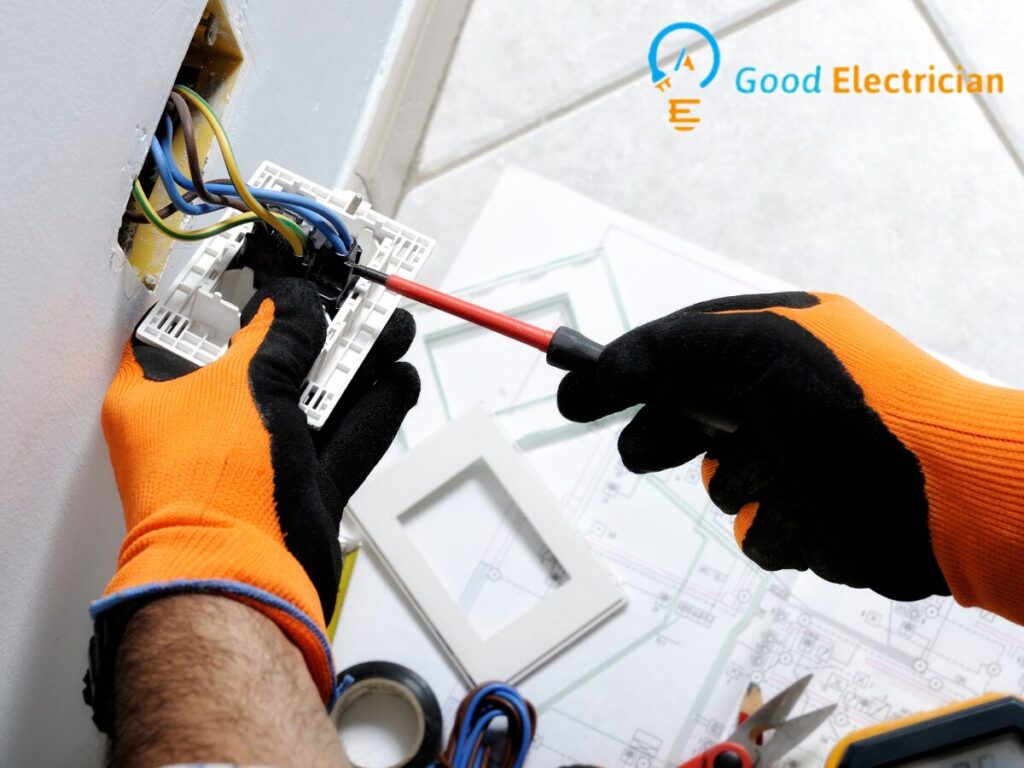
In all cases, inspections should be performed by licensed electricians familiar with both residential and commercial systems. Attempting to conduct this work without proper training and equipment is unsafe.
How Often Should Infrared Inspections Be Performed?
The frequency of inspections depends on the type of property and how the electrical system is used. For most residential homes, a thermal inspection every two to three years is sufficient, or sooner if there have been major upgrades like an EV charger or new HVAC system.
Commercial and industrial facilities usually require annual inspections, sometimes more often for mission-critical operations. Insurance providers may even mandate documented thermal imaging reports as part of their risk management policies.
Regular inspections should always be paired with follow-up action. A thermal report without corrective work doesn’t improve safety. When a hot spot is identified, it must be addressed quickly by tightening connections, redistributing loads, or replacing faulty equipment.
The Role of Infrared Inspections in a Comprehensive Safety Plan
Thermal imaging is not a replacement for standard electrical maintenance but an enhancement. Visual inspections, breaker testing, grounding checks, and load calculations remain essential. However, infrared technology adds a layer of precision that catches problems invisible to the eye.
Think of it as part of a complete electrical safety plan. By combining traditional methods with advanced imaging, property owners gain the best protection against failures and fire risks. The upfront investment in preventive maintenance is small compared to the financial and personal cost of an electrical fire.
Taking Action Before Problems Arise
Too many electrical fires are described as “unexpected,” but in reality, many were preventable with the right diagnostic tools. Infrared thermal inspections give electricians a clear advantage in spotting danger early. They provide visual evidence, detailed reports, and actionable recommendations that keep systems running safely.
For homeowners in Northern Virginia, A Good Electrician provides professional thermal imaging services along with repairs, panel upgrades, and other solutions to ensure your electrical system is safe and reliable. By scheduling routine inspections and responding quickly to findings, you can drastically lower the risk of electrical fires and enjoy the peace of mind that comes with a well-maintained system.nvestment—it ensures your lighting looks and performs exactly as it should for years to come.