Commercial Electrical Preventative Maintenance
Commercial buildings carry more electrical demand today than at any point in the past. HVAC controls, data racks, high-efficiency lighting, EV charging stations, automation systems, and security platforms all depend on steady, safe electrical performance. One hidden issue can interrupt operations, damage valuable equipment, or create fire risks. Preventative maintenance exists to stop that chain reaction long before it starts. During routine service work in Northern Virginia, A Good Electrician LLC often sees avoidable failures that could have been detected months earlier, so structured upkeep pays off quickly.
Understanding The Purpose Of Commercial Electrical Preventative Maintenance
Commercial electrical systems handle heavier loads and more complex distribution than a typical home. Panels support a wide network of circuits, lighting is often spread across large floor plans, and equipment places constant demand on feeders and transformers. Without routine checks, small faults can spread through the system and lead to expensive repairs or safety risks.
Preventative maintenance focuses on early detection and correction. Loose terminations, overloaded circuits, insulation wear, panel contamination, and temperature spikes may not cause an immediate outage but can shorten equipment lifespan or raise the chance of arc faults. Maintenance programs are designed to catch these issues through scheduled inspections, testing, and cleaning. Trained electricians should always handle this work because it involves components that carry high voltage and can cause injury or property damage if handled improperly.
Electrical Load Behavior In Commercial Spaces
Commercial buildings experience load changes throughout the day. Offices hit peak usage during business hours while retail sites often draw heavier loads on weekends or holidays. Manufacturing sites and data centers work under near constant demand with equipment that cannot afford unexpected downtime.
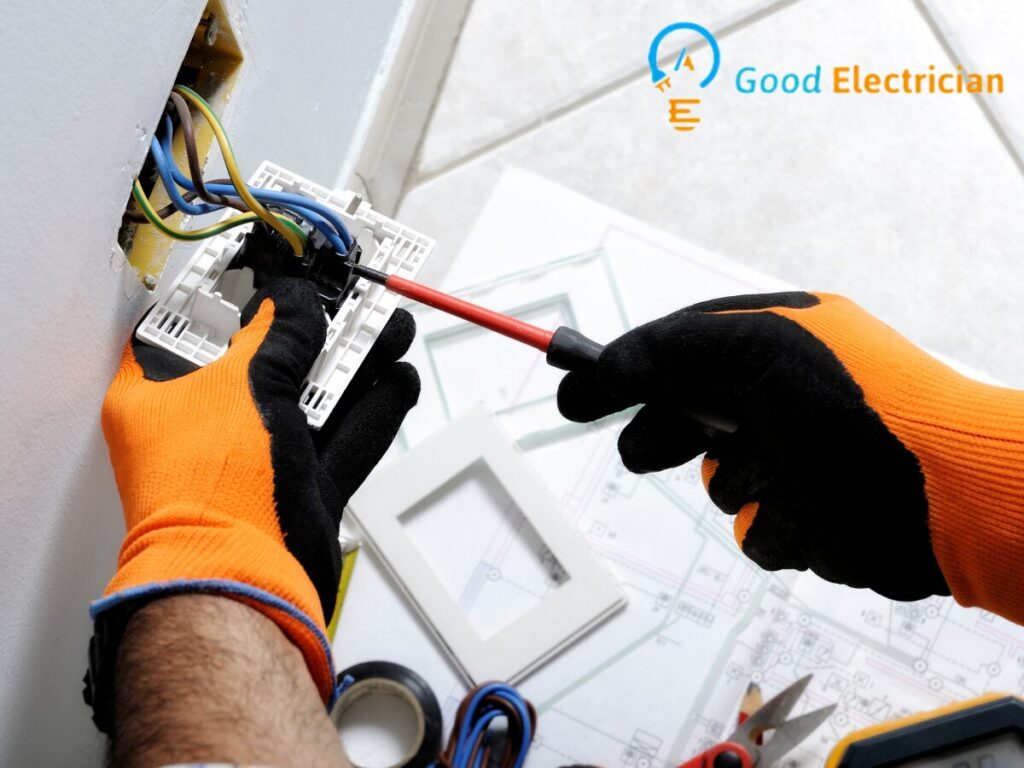
Load behavior creates stresses that are often invisible without testing. A circuit that seems fine during normal operation may overload once HVAC units, IT equipment, lighting, and production machinery run simultaneously. This is where preventative maintenance becomes essential. Tracking load patterns through metering or logging gives electricians the data they need to spot trends before they turn into outages. A growing number of facilities now use smart monitoring tools that identify voltage irregularities, harmonics, and power factor shifts that would otherwise stay hidden.
The Role Of Electrical Panels And Switchgear In Reliability
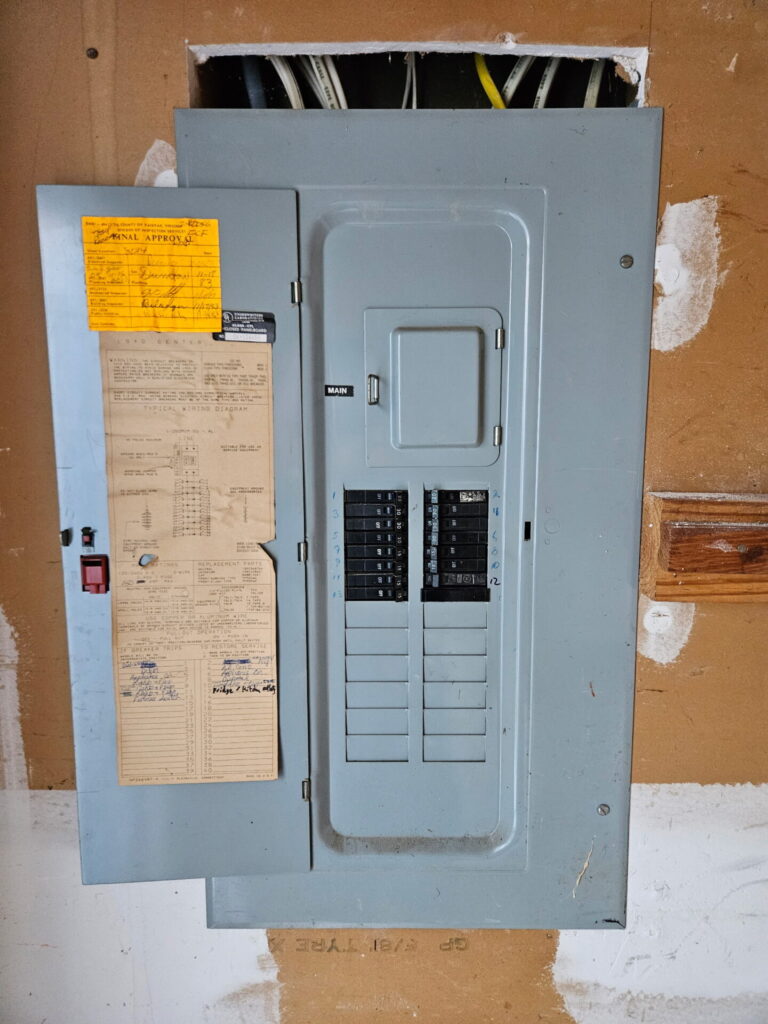
Panels and switchgear operate as the command centers of any commercial electrical system. Most failures begin here because mechanical parts wear out, breakers age, and heat slowly weakens internal components.
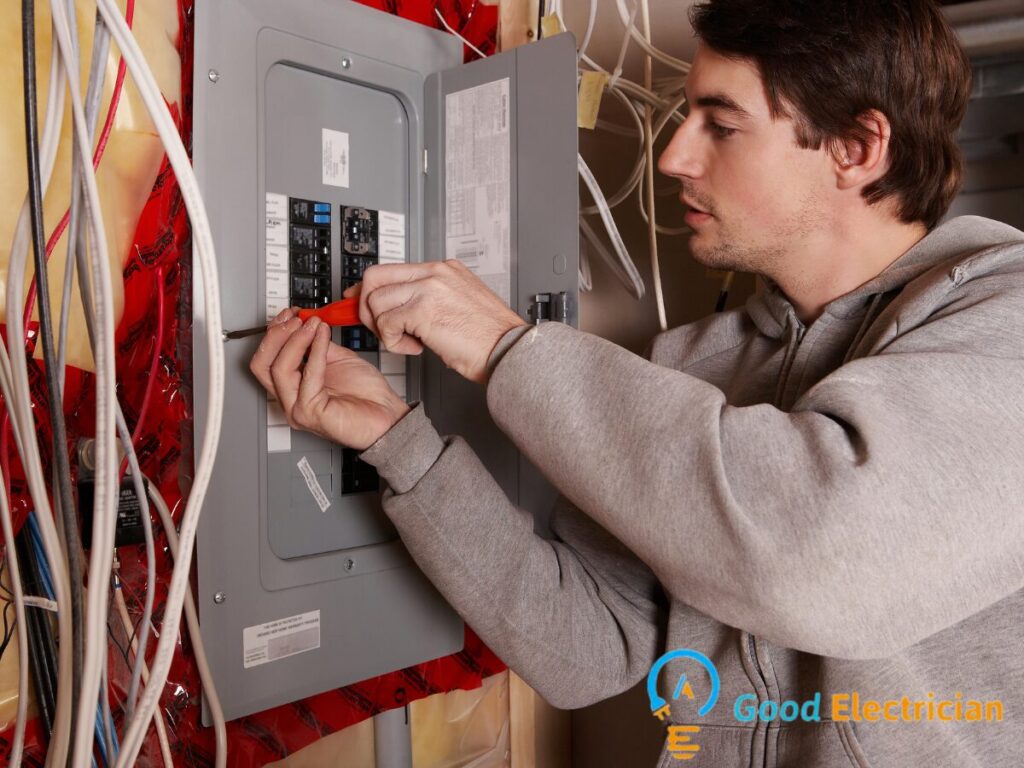
Preventative maintenance on panels and switchgear usually focuses on four areas. The first is tightening connections because vibration and thermal changes loosen them over time. Loose connections generate heat that can damage breakers or bus bars. The second area is cleaning. Dust buildup traps heat inside enclosures and increases the chance of tracking faults. The third focus is thermal scanning to find abnormal hot spots that the eye cannot see. The fourth is mechanical testing of breakers to confirm they trip at the correct amperage. Any adjustment or repair inside a panel should be completed by trained professionals or electricians who understand arc flash risks and proper safety procedures.
Lighting Systems And Energy Control Strategies
Commercial lighting takes up a significant portion of energy use in large spaces. LEDs have lowered consumption, but fixture drivers, dimming controls, occupancy sensors, and emergency lighting systems still need routine evaluation.
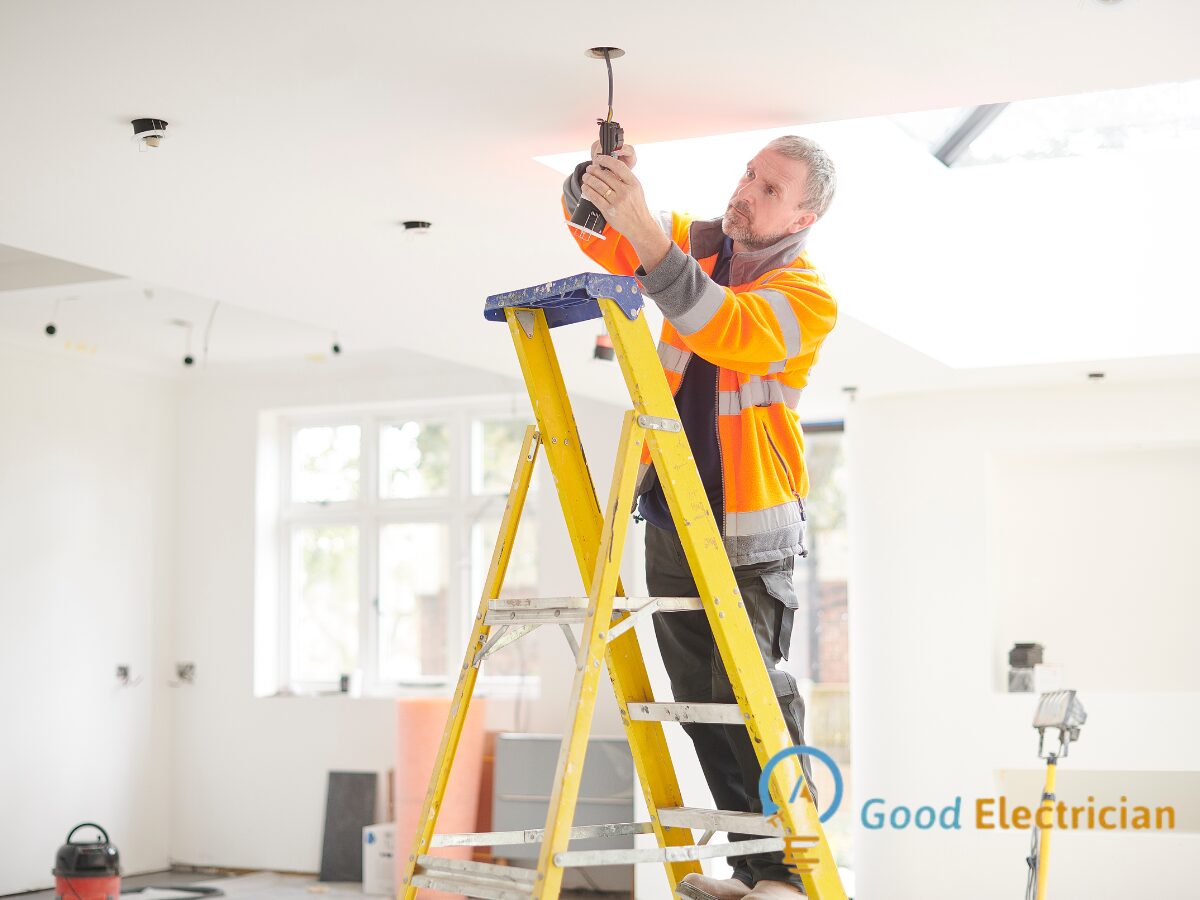
A properly structured maintenance plan for lighting looks beyond bulbs or fixtures. Electricians check voltage at fixtures to make sure drivers are not running hotter than they should. They test emergency lighting batteries to confirm they meet code requirements for duration. They verify sensor programming to keep energy costs down and examine wiring insulation near fixtures where heat or vibration is common. Any lighting installation, rewiring, or troubleshooting must be completed by trained professionals or electricians to meet safety regulations.
The Importance Of Grounding And Bonding Checks
Grounding and bonding protect people and equipment by carrying fault current safely back to the source. A break or high resistance in the grounding system undermines the entire building’s safety strategy.
Commercial properties depend on proper bonding of metal raceways, panels, equipment frames, and structural elements. Corrosion, accidental damage, or improper renovations can weaken these connections. Preventative maintenance involves testing ground resistance, inspecting bonding jumpers, and checking connections between metallic enclosures. These steps reduce shock risk and improve performance of surge protection devices.
Surge Protection In Commercial Environments
Modern commercial buildings run sensitive electronics ranging from fire alarm panels to computer networks. Transient surges created by storms, power company switching, and internal equipment can damage circuit boards or cause frequent downtime.
Surge protection devices need periodic testing because they degrade every time they absorb a surge event. A maintenance plan includes inspection of surge modules, verification of proper grounding to support them, and documentation of replacement intervals. Any installation or repair should be completed by trained professionals or electricians because surge devices must be connected properly to avoid introducing additional risks.
HVAC Electrical Systems And Motor Driven Equipment
HVAC systems account for a large portion of commercial electrical usage. Motors, compressors, and pumps draw heavy current during startup. Over time these surges wear contactors, stress circuits, and increase heat inside panels.
Preventative maintenance involves checking capacitor health, recording motor amperage, verifying contactor condition, and inspecting disconnect switches. A sharp rise in amperage can indicate bearing issues or airflow problems that will soon lead to failure. Electricians also ensure wiring insulation remains intact and terminals stay tight. Any adjustments to high voltage HVAC circuits must be completed by trained professionals or electricians since the combination of moving parts and electrical power requires strict safety practices.
Backup Power Generators And UPS Systems
Commercial facilities rely on backup power during outages. Generators and uninterruptible power supplies must stay ready to bridge the gap when the grid goes down.
Generators need periodic testing under load, fuel system checks, control panel inspections, and evaluation of automatic transfer switches. UPS systems require battery health checks, ventilation inspection, firmware updates, and verification that they switch instantly during a voltage drop.
A preventative maintenance plan includes coordinating these checks so both systems work together. Every repair or upgrade must be handled by trained professionals or electricians due to the risks involved in high capacity energy storage.
Thermal Imaging As A Diagnostic Tool
Thermal imaging has become a standard part of commercial electrical maintenance. Infrared scans detect abnormal heat patterns long before equipment fails.
Electricians use thermal cameras to inspect panels, switchgear, transformers, bus ducts, MCCs, and high load circuits. Hot spots often trace back to loose lugs, failing breakers, unbalanced phases, or damaged insulation. Many businesses schedule thermal imaging annually to build a performance history. This helps predict which components need attention before they reach a critical state.
Documentation And Maintenance Scheduling
Preventative maintenance works best when the building keeps organized records with inspection dates, test results, repair notes, and load measurements. Documentation helps electricians confirm whether a breaker has been overheating gradually or whether a surge protector has reached the end of its lifespan.
Scheduling depends on the building type. Data centers and medical facilities need frequent checks. Offices may require annual or semiannual evaluations. Older buildings benefit from more frequent inspections because aging wiring and panels face higher risk. A trained professional or electrician should always determine the appropriate maintenance cycle for each facility.
Creating A Long Term Strategy That Reduces Downtime
Commercial electrical preventative maintenance is an ongoing strategy that protects operations and avoids surprise outages. It reduces energy waste, keeps equipment running smoothly, extends component life, and supports a safer workplace. Businesses that commit to regular inspections and testing gain a clear advantage through improved reliability and lower repair costs.