5 Signs You Need a Whole-House Surge Protector
Power surges are far more common than most homeowners realize. Many people associate surges with dramatic lightning strikes, but the majority of damaging electrical surges actually originate inside the home or from routine utility grid activity. Modern homes are filled with sensitive electronics, smart appliances, HVAC equipment, networking devices, security systems, and charging stations that can all be affected by sudden voltage spikes.
A whole-house surge protector serves as a first line of defense by helping to divert excess voltage before it reaches your home’s electrical circuits and connected equipment. At A Good Electrician, we often see homeowners discover surge-related damage only after expensive electronics, appliances, or electrical components have already failed.
Knowing the warning signs can help you determine whether surge protection should become a priority before costly repairs or replacements are needed.
Understanding What a Whole-House Surge Protector Does
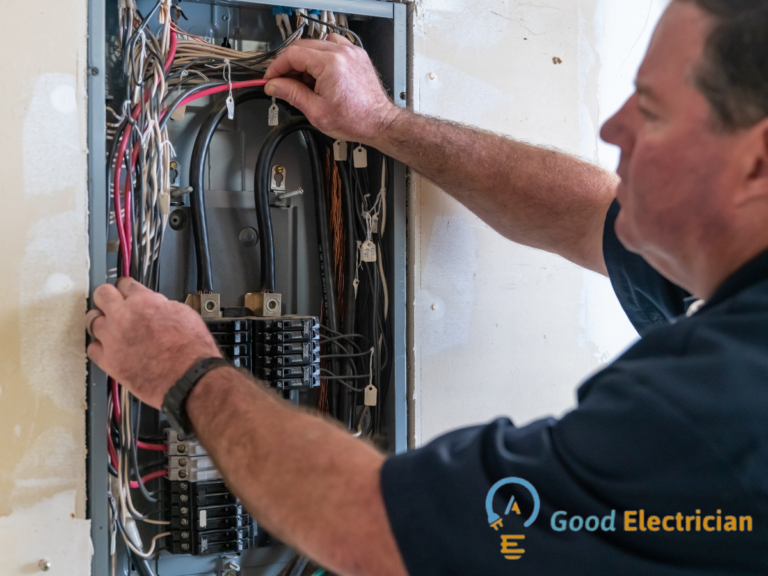
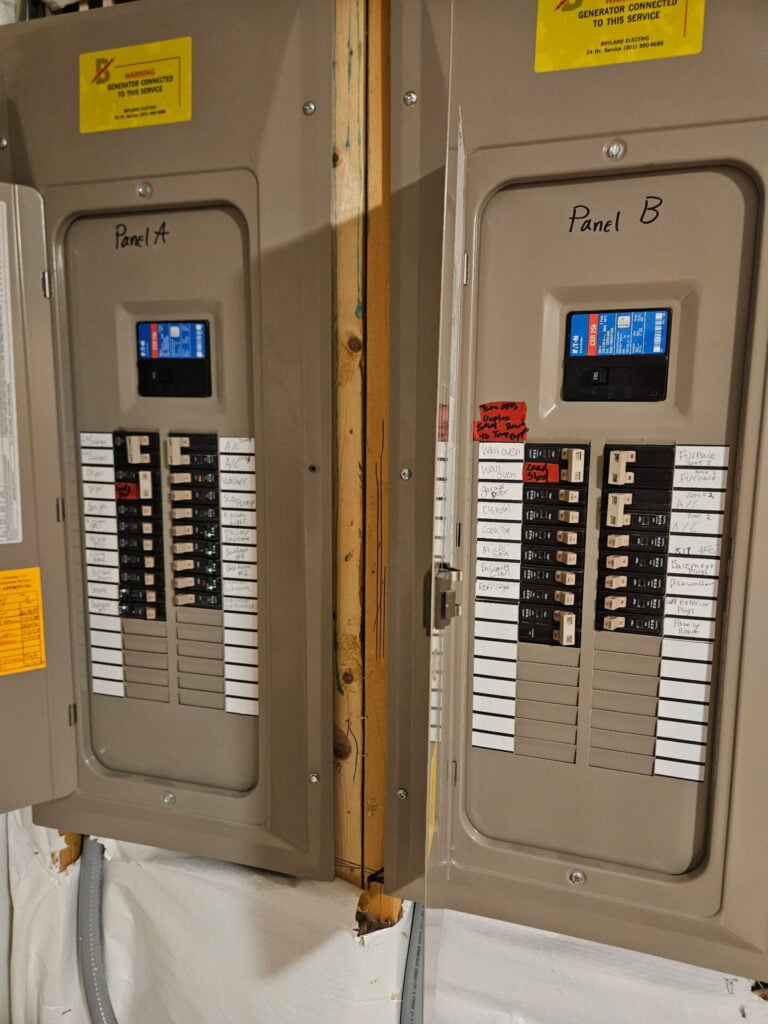
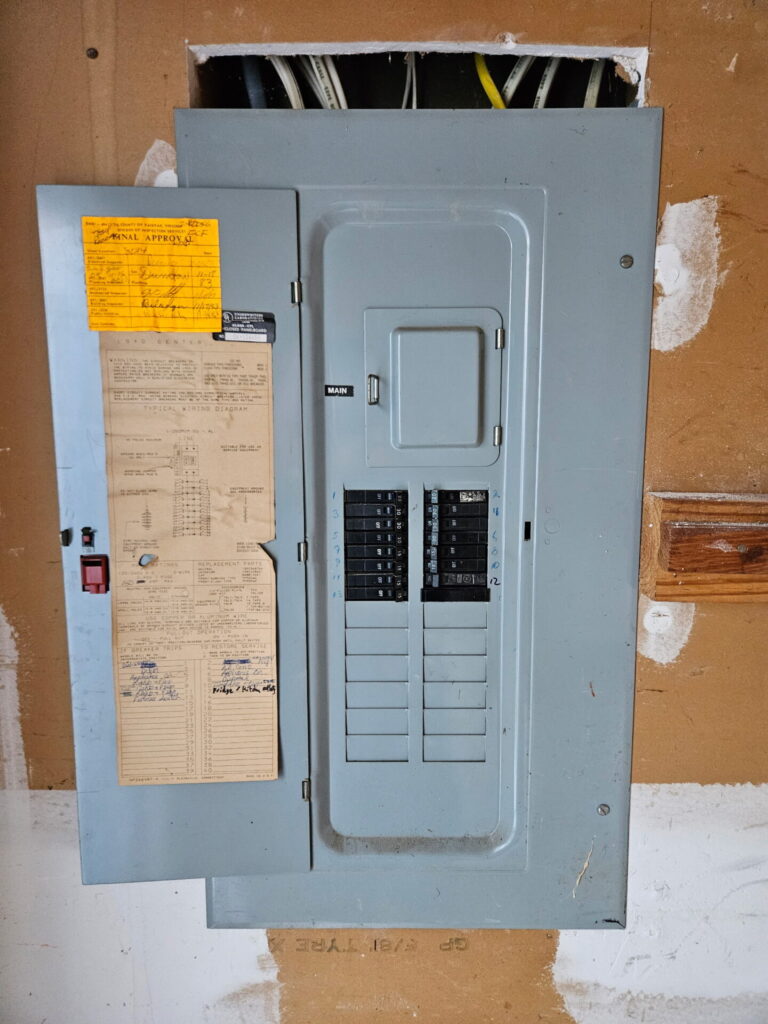
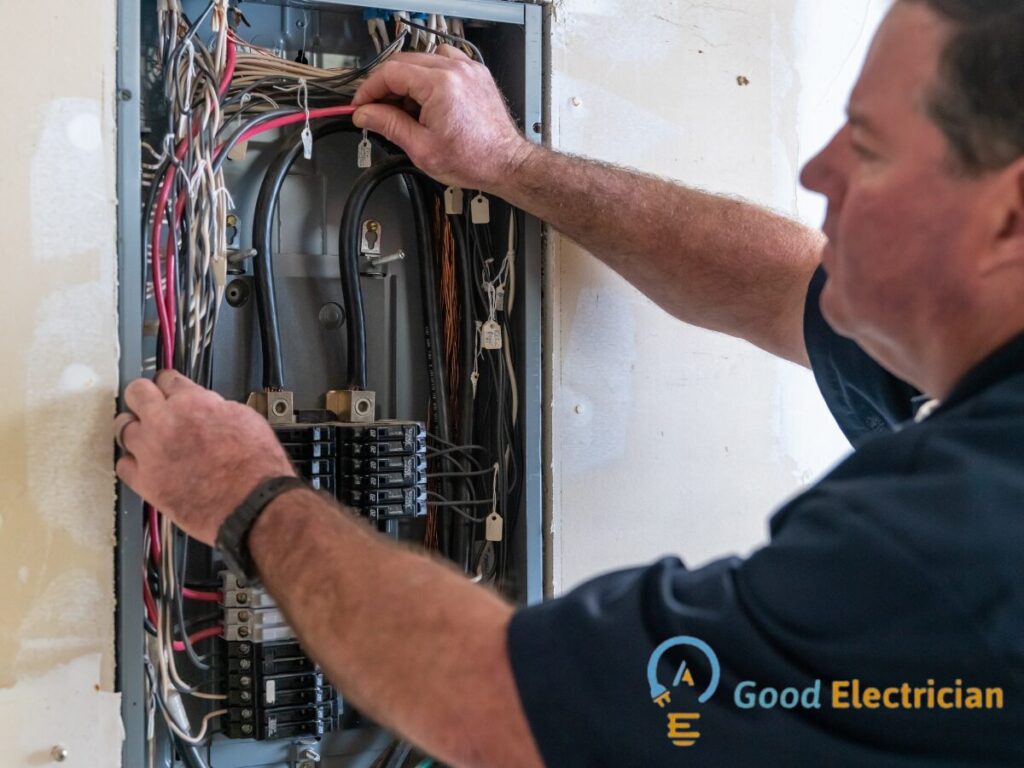
A whole-house surge protector is installed at or near your electrical panel and is designed to intercept excess voltage entering your home’s electrical system. When a surge occurs, the device redirects harmful electrical energy away from circuits and connected equipment.
This differs from standard power strips that offer limited protection to individual devices. A whole-house system protects electrical infrastructure throughout the property, including major appliances, lighting circuits, HVAC systems, smart home equipment, and devices plugged into outlets.
Today’s homes contain far more sensitive electronics than homes built even ten years ago. Refrigerators, ovens, washing machines, thermostats, garage door openers, security cameras, and internet-connected devices all contain microprocessors that can be damaged by voltage fluctuations.
When surge protection is absent, repeated exposure to small surges can gradually shorten equipment lifespan, even if no immediate failure occurs.
Sign #1: Electronics and Appliances Fail More Often Than Expected
One of the clearest indicators that surge protection may be needed is an unusual pattern of electronic failures.
Most appliances are designed to last many years under normal operating conditions. If televisions, routers, gaming systems, computers, microwave ovens, smart appliances, or entertainment equipment seem to fail prematurely, recurring electrical surges could be contributing to the problem.
Many homeowners assume these failures are simply bad luck or poor manufacturing quality. Electrical professionals frequently discover that repeated voltage spikes have damaged sensitive internal components over time.
Surge damage is not always dramatic. A device does not need to stop working immediately after a surge event. Small electrical spikes can slowly degrade circuit boards, power supplies, and electronic controls. Months later, the equipment may begin showing symptoms that seem unrelated to power quality.
Common warning signs include:
- Devices shutting down unexpectedly
- Frequent equipment resets
- Premature appliance replacement
- Burned-out power supplies
- Electronics that become unreliable over time
When multiple devices experience similar issues within a relatively short period, surge activity should be considered as a possible cause.
Sign #2: You Experience Frequent Power Interruptions or Utility Fluctuations
Homes located in areas with unstable electrical service often face a higher risk of damaging surges.
Power outages, brownouts, utility switching operations, and grid restoration events can all generate voltage spikes. Every time power is interrupted and restored, electrical equipment may be exposed to sudden changes in voltage.
Many homeowners focus on the inconvenience of losing power but overlook the surge that often occurs when electricity returns. Those restoration surges can place significant stress on connected electronics and appliances.
Areas More Likely to Experience Surge Activity
Certain locations are naturally more susceptible to utility-related surges.
Neighborhoods with aging electrical infrastructure may experience more voltage fluctuations. Rural properties often encounter power quality issues due to longer distribution lines. Areas with frequent storms can experience recurring surge events caused by weather-related utility disruptions.
Construction activity nearby can also affect electrical service. Utility crews performing maintenance, upgrades, or switching operations can create temporary voltage disturbances that travel through the grid.
If lights occasionally flicker, clocks reset unexpectedly, or electronics reboot without explanation, your home’s electrical system may be experiencing conditions that justify whole-house surge protection.
Sign #3: Your Home Contains Expensive Modern Electronics
Today’s homes depend on technology far more than ever before. Even homeowners who do not consider themselves technology enthusiasts often have thousands of dollars invested in electronics and digitally controlled equipment.
Modern refrigerators contain advanced control boards. HVAC systems rely on sophisticated electronics. Smart thermostats, security systems, networking equipment, home offices, and entertainment centers all depend on delicate circuitry.
A single surge event can damage multiple devices simultaneously.
Hidden Equipment Many Homeowners Forget to Protect
Many people think only about televisions and computers when considering surge protection.
Some of the most expensive electronic systems in a home are actually hidden from daily view. HVAC control boards, tankless water heaters, solar monitoring systems, garage door openers, irrigation controllers, and smart electrical devices can all be vulnerable to voltage spikes.
Repair costs for these systems can add up quickly. Replacing a furnace control board or an advanced appliance control module can cost hundreds or even thousands of dollars.
A whole-house surge protector creates an additional layer of protection for equipment throughout the property rather than relying solely on individual surge strips scattered around the home.
Sign #4: You Live in an Area With Frequent Lightning Activity
Lightning remains one of the most powerful sources of electrical surges.
A direct lightning strike can cause catastrophic damage regardless of protection methods. However, many surge events result from nearby strikes rather than direct impacts. These indirect events can still send substantial voltage spikes through utility lines and electrical systems.
Homes located in regions with frequent thunderstorms face a greater risk of surge-related damage throughout the year.
Even strikes occurring some distance away can induce voltage surges that travel through electrical infrastructure and enter residential systems.
Why Lightning Protection and Surge Protection Work Together
Many homeowners mistakenly assume that a standard grounding system provides complete protection against lightning-related electrical issues.
Grounding is a critical component of electrical safety, but it does not replace surge protection. Whole-house surge protectors work alongside grounding systems to help manage excess voltage during surge events.
This combination provides a stronger defense against electrical disturbances that originate outside the home.
Homeowners who have experienced lightning-related appliance failures in the past should view that history as a strong indicator that additional surge protection may be beneficial.
Sign #5: Your Home Has Recently Received Major Electrical Upgrades
Electrical upgrades often increase the value and capability of a home. They can also increase the importance of protecting the investment.
Many homeowners install EV chargers, upgraded electrical panels, smart home systems, standby generators, solar equipment, battery storage systems, or advanced HVAC systems. Each of these improvements adds equipment that can be vulnerable to power surges.
When substantial investments are made in electrical infrastructure, surge protection becomes a logical part of the overall strategy.
Protecting New Electrical Investments
An EV charger represents a significant investment. Modern heat pumps and high-efficiency HVAC systems can cost many thousands of dollars. Smart home ecosystems often connect dozens of devices throughout a property.
A surge event that damages one major component can create repair costs that exceed the price of installing a quality surge protection system.
Homeowners frequently spend considerable resources upgrading their electrical systems while overlooking surge protection. Adding protection after the upgrades are complete helps reduce the risk of damage to those newly installed systems.
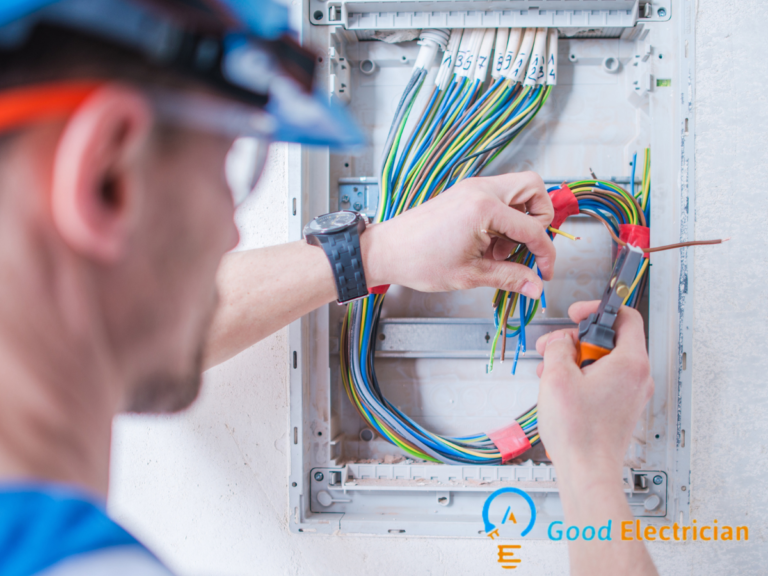
Installation Disclaimer: Whole-house surge protector installation involves work inside the electrical panel and should ideally be performed by trained electricians or qualified electrical professionals following all applicable codes and safety requirements.
How Whole-House Surge Protectors Handle Everyday Surges
Many people assume surge protectors only matter during major electrical events. Daily electrical activity within a home actually creates countless small surges.
Large appliances cycling on and off can generate minor voltage fluctuations. Air conditioners, refrigerators, dryers, pumps, and other motor-driven equipment can all contribute to small surges over time.
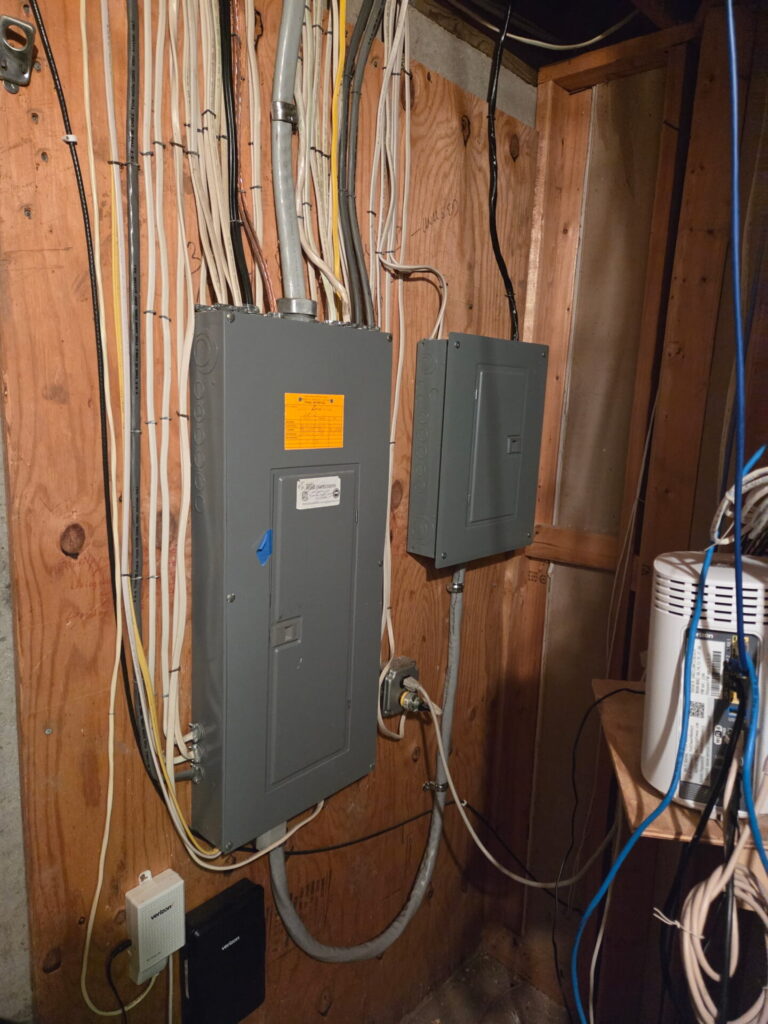
These everyday events may not cause immediate damage, but repeated exposure can gradually wear down electronic components.
A properly selected whole-house surge protector helps absorb or redirect many of these voltage spikes before they spread throughout the home’s electrical system.
This ongoing protection can help extend the lifespan of sensitive electronics and reduce cumulative stress on appliances.
What Happens If Surge Protection Is Not Installed?
Without whole-house surge protection, electrical equipment remains exposed to both large and small voltage spikes.
The effects may not be immediately obvious. Some devices continue operating after a surge but suffer internal damage that shortens their service life. Other equipment may fail unexpectedly months later.
Potential consequences include:
- Damaged appliance control boards
- Shortened electronics lifespan
- Expensive HVAC repairs
- Data loss on computers and networking equipment
- Increased maintenance costs
- Unexpected equipment replacement expenses
Many homeowners only recognize the importance of surge protection after experiencing a costly failure that could have been prevented.
When to Have Your Electrical System Evaluated
If several of the warning signs discussed above sound familiar, it may be worthwhile to have your electrical system evaluated by a qualified electrician.
A professional can assess the condition of your electrical panel, grounding system, and existing protection measures. They can also determine whether a whole-house surge protector is appropriate for your home’s electrical setup and power usage patterns.
Disclaimer: Evaluation, installation, replacement, and service of electrical panels, surge protective devices, and related components should ideally be performed by trained electricians or licensed electrical professionals to ensure safety and code compliance.
Final Thoughts
Electrical surges are an unavoidable part of modern power systems. What homeowners can control is how prepared their homes are to handle them.
Frequent electronic failures, recurring power interruptions, high-value electronics, lightning exposure, and recent electrical upgrades are all signs that surge protection deserves serious consideration. A whole-house surge protector helps create a stronger defense against voltage spikes that can damage appliances, electronics, and critical home systems.
Taking action before equipment failures occur is often far less expensive than replacing damaged electronics after a major surge event. As homes continue adding more technology and connected devices, whole-house surge protection is becoming an increasingly important part of a modern electrical system.